AI companies are giving their newest digital assistants an unexpectedly adorable makeover.
OpenAI this week introduced Dots, colorful customizable AI companions designed to perform tasks in the background around the clock. The launch came shortly after Meta unveiled Jolly, the playful mascot for its Muse AI agent. Meta is also preparing a Tamagotchi-inspired wearable called Charm, expected later this year, that will bring Jolly into the physical world.
The trend may look like a simple branding exercise, but the timing is significant. As technology companies push AI agents beyond conventional chatbots, they are increasingly using friendly characters to make a more powerful and potentially intrusive form of AI feel familiar.
From Chatbots to Digital Assistants
The latest generation of AI agents is designed to do more than answer questions. They can potentially handle tasks such as checking email, managing calendars, researching purchases and working across different digital services with less direct instruction from the user.
That represents a significant shift from traditional chatbots, which largely operate on a question-and-answer basis.
But greater autonomy comes with a major trade-off: useful AI agents may require access to highly personal information, including emails, files, calendars and financial data. Handing over that level of access requires considerably more trust than simply typing a question into a chatbot.

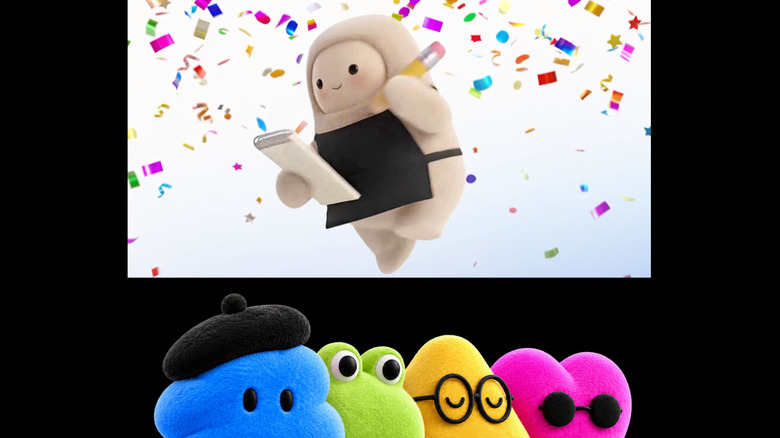
OpenAI/Meta
Why the Cute Approach Matters
Tech companies have used lovable digital mascots for years. Duolingo’s owl has become a recognizable social-media personality, while Microsoft’s Clippy evolved from a widely disliked Office assistant into a nostalgic internet icon.
AI agents, however, introduce a different dynamic.
Anthropomorphized characters can make unfamiliar technology seem more approachable and encourage people to develop emotional connections with software. A personalized AI companion that users spend time customizing and interacting with could also create a stronger attachment to the platform behind it.
That matters because switching away from an AI service may feel different when users have built a relationship with a digital character rather than simply used another piece of software.
The Race for More AI Users
The strategy also comes as AI companies look for ways to expand adoption beyond their most dedicated users.
A Pew Research survey published in June found that roughly half of U.S. adults had used AI chatbots, while only 24 percent said they used them daily. Microsoft reported that AI usage among the global working-age population reached 18.8 percent in the second quarter of 2026.
For companies investing enormous sums in AI, those figures represent a substantial potential audience.
OpenAI is reportedly exploring an initial public offering that could value the company at around $1.4 trillion, while Anthropic has reportedly been targeting a valuation of as much as $2 trillion ahead of a potential IPO. Both companies, however, continue to operate with losses running into the tens of billions of dollars.
That makes user growth increasingly important.
Cute, personalized AI companions could be one way to make agentic technology less intimidating and encourage more people to try it. But the appealing personalities should not obscure what sits underneath them: AI systems that may need extensive access to users’ personal information to perform their jobs.
The more charming the assistant becomes, the more important it may be to understand exactly what users are handing over when they invite it into their digital lives.