The unusual TDM Neo, one of the more talked-about audio products showcased at CES 2026, is finally available to buy.
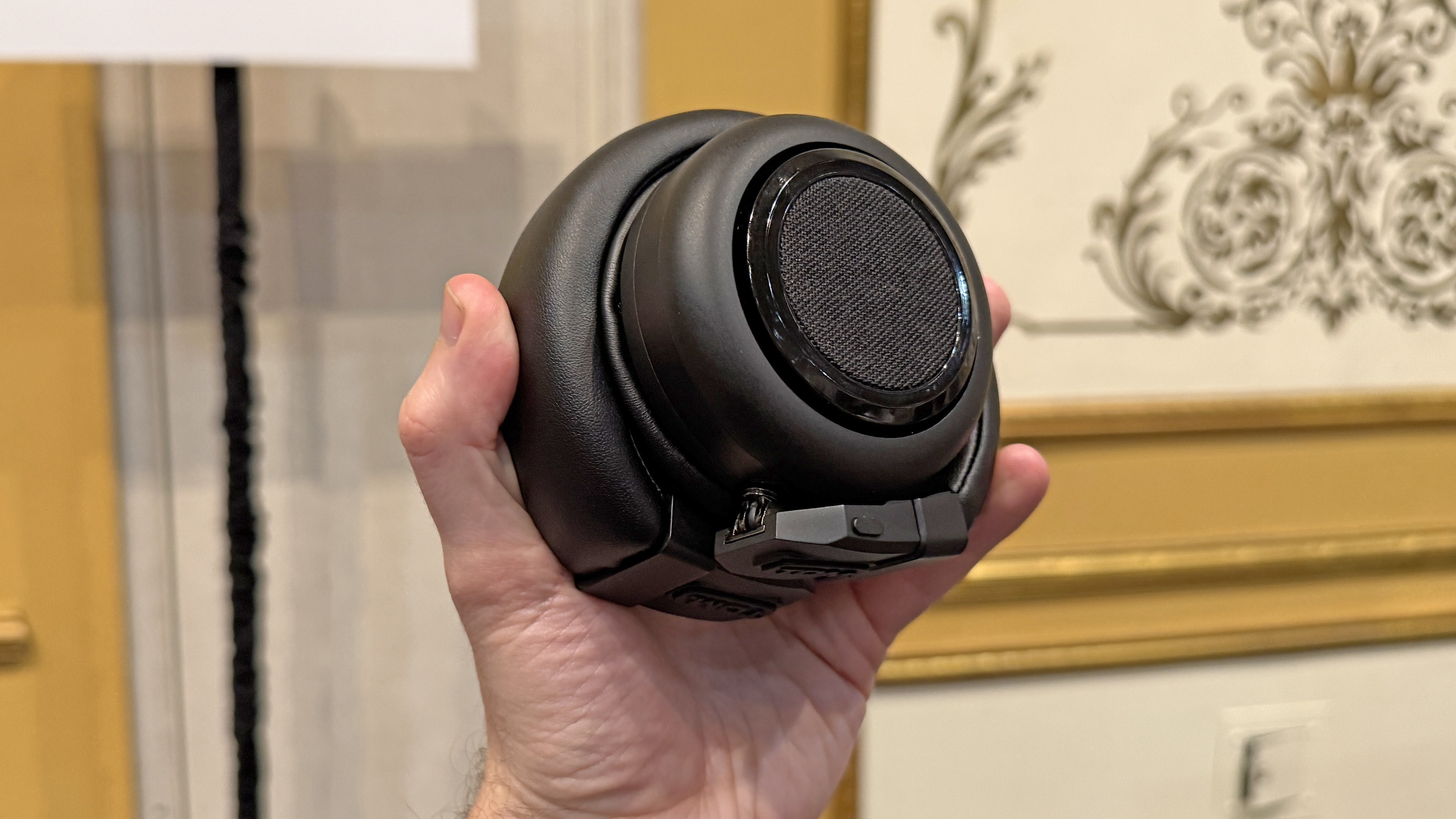
The device combines two products in one: a pair of Bluetooth headphones and a portable loudspeaker. A twisting mechanism allows users to switch between the two modes, while also directing audio to the appropriate speakers.
The TDM Neo went on sale on October 6 through retailers including Amazon, TDM’s website, and Walmart. It is priced at $249 / £249 (around AU$500), putting it firmly in premium territory, although the company is effectively combining a pair of headphones and a speaker into one device.
A headphone-speaker hybrid with separate drivers
The TDM Neo uses four 40mm drivers. Two are positioned inside the headphone section and face the user’s ears, while the other two face outward and are dedicated to speaker mode.
That arrangement allows the drivers to focus on their respective functions rather than trying to serve both purposes simultaneously.
The device also includes multiple microphones for calls while operating in headphone mode, along with physical controls and features such as Find My support and a low-latency mode designed for gaming.
TDM has also included separate equalizer settings for headphone and speaker modes, giving users more control over how the device sounds in each configuration.

(Image credit: Future)
Battery life is a major selling point
Despite combining two types of audio hardware, the TDM Neo offers an unusually long battery life.
TDM claims up to 200 hours of playback in headphone mode. That figure falls to around 16 hours when used as a speaker, which is still substantial for a portable Bluetooth speaker.
The trade-off is weight. At 340g, the Neo is considerably heavier than many conventional wireless headphones, something users may notice during longer listening sessions.
The real question is durability
The TDM Neo’s unusual design could ultimately be its biggest strength and its biggest concern.
The twisting mechanism is what makes the device possible, but it also introduces a moving component that conventional headphones and speakers don’t have. Regularly switching between modes could potentially put additional wear on the mechanism over time.
There is also the question of what happens if the switching system fails or incorrectly detects which mode the device is in.
Those are issues that will be difficult to judge until the Neo has been used extensively outside of controlled demonstrations.
Still, the concept is more thoughtfully designed than a simple gimmick. With dedicated drivers, separate EQ profiles, long battery life and features borrowed from both headphones and Bluetooth speakers, the TDM Neo offers a genuinely different approach to portable audio.
Now that the device is finally available, longer-term testing should reveal whether its unusual design is actually practical for everyday use.