The skies have always captivated human imagination, and the pursuit of conquering the heavens led to the creation of remarkable aerial marvels like fighter jets. Among them, Vertical Take-Off and Landing (VTOL) fighter jets have emerged as a unique class, combining the convenience of hovering like helicopters with the speed and power of jet fighters. In this comprehensive guide, we’ll dive into the world of VTOL fighter jets, ranking them from worst to best, exploring their technological features, and examining their historical development.
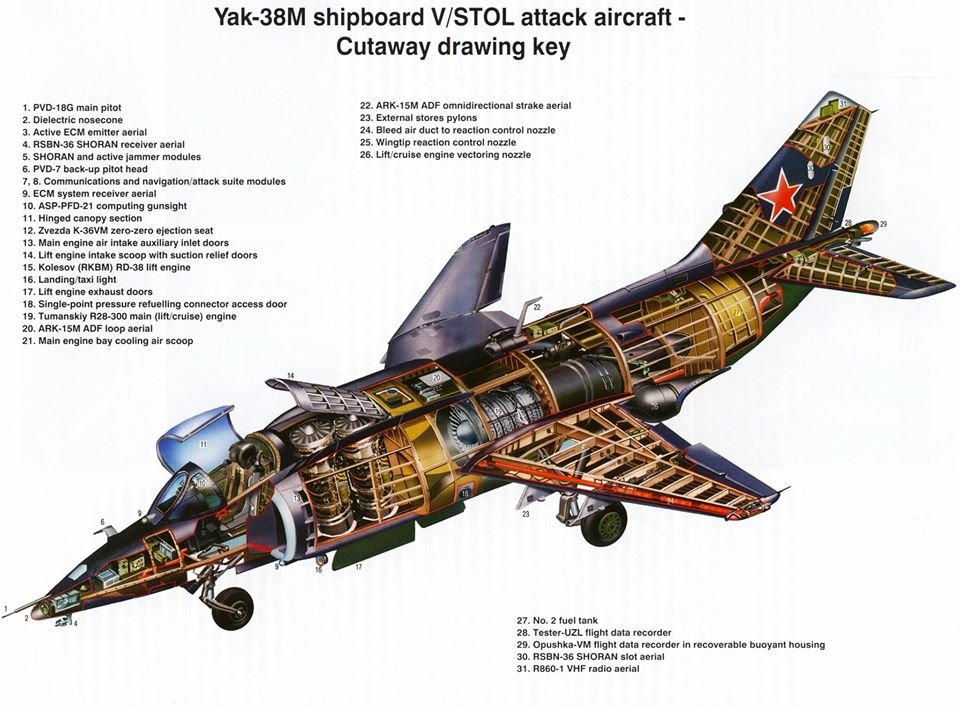
The Yakovlev Yak-38, a Soviet VTOL jet fighter, marked the USSR’s first operational carrier-based fixed-wing aircraft. Though resembling the British Harrier in appearance, it utilized a distinct three-engine design, which impacted its overall performance. The Yak-38 had a limited combat radius and sophisticated flight characteristics, making it less competitive than its U.S. and U.K.-designed counterparts, especially the Harrier.
The British Aerospace Sea Harrier, known as the original “jump jet,” played a significant role in the Royal Navy’s fleet defense. Its powerful Pegasus engine enabled both vertical and horizontal flight through vectored nozzles. While a technological marvel, the Sea Harrier’s capabilities and design remained focused on sea operations, making it a valuable asset for the U.K.'s naval forces.
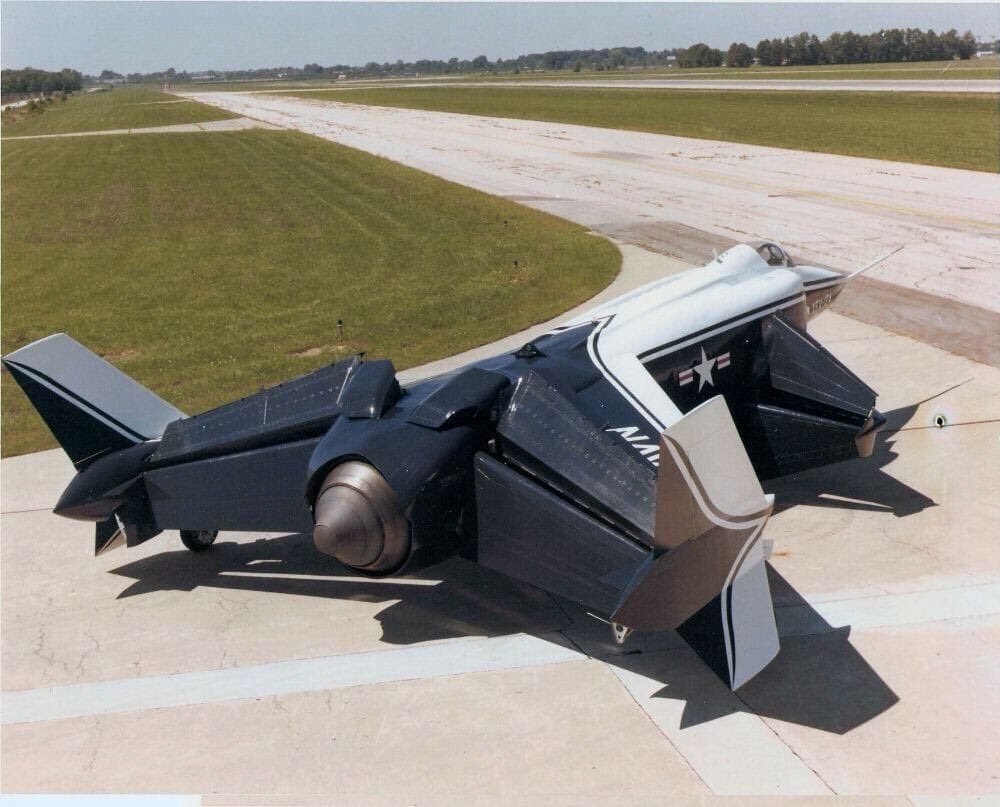
The Rockwell XFV-12 exemplified futuristic VTOL technology but failed to achieve its envisioned potential. Based on a unique “thrust-augmented wings” concept, it attempted vertical takeoff through innovative wing flaps and canards. However, airflow issues and ducting losses led to its ultimate demise. Despite being a failure, the XFV-12’s legacy inspired subsequent aircraft developments and remained a subject of interest for aviation enthusiasts.
Ranking VTOL Fighter Jets: From Worst to Best
1. Yakovlev Yak-38

Photo: Yakovlev Yak-38
2. British Aerospace Sea Harrier
Photo:
Seaforces
3. Rockwell XFV-12
Photo:
KerbalX