The first quarter of 2026 has been relentless. CES set the tone in January with transparent displays, tri-fold phones, and AI-powered everything, and the momentum hasn’t slowed. MWC added fuel in March, Samsung dropped its next flagship, and a handful of smaller companies showed up with products that have no business being this interesting at their price points. These are the ten new gadgets of 2026 that keep showing up in conversations, comment sections, and wishlists right now. At The Gadgeteer, we’re keeping track of the products we believe will really matter, and this list captures the ones that have already earned their spot in the first quarter alone.
1. Samsung Galaxy S26 Ultra
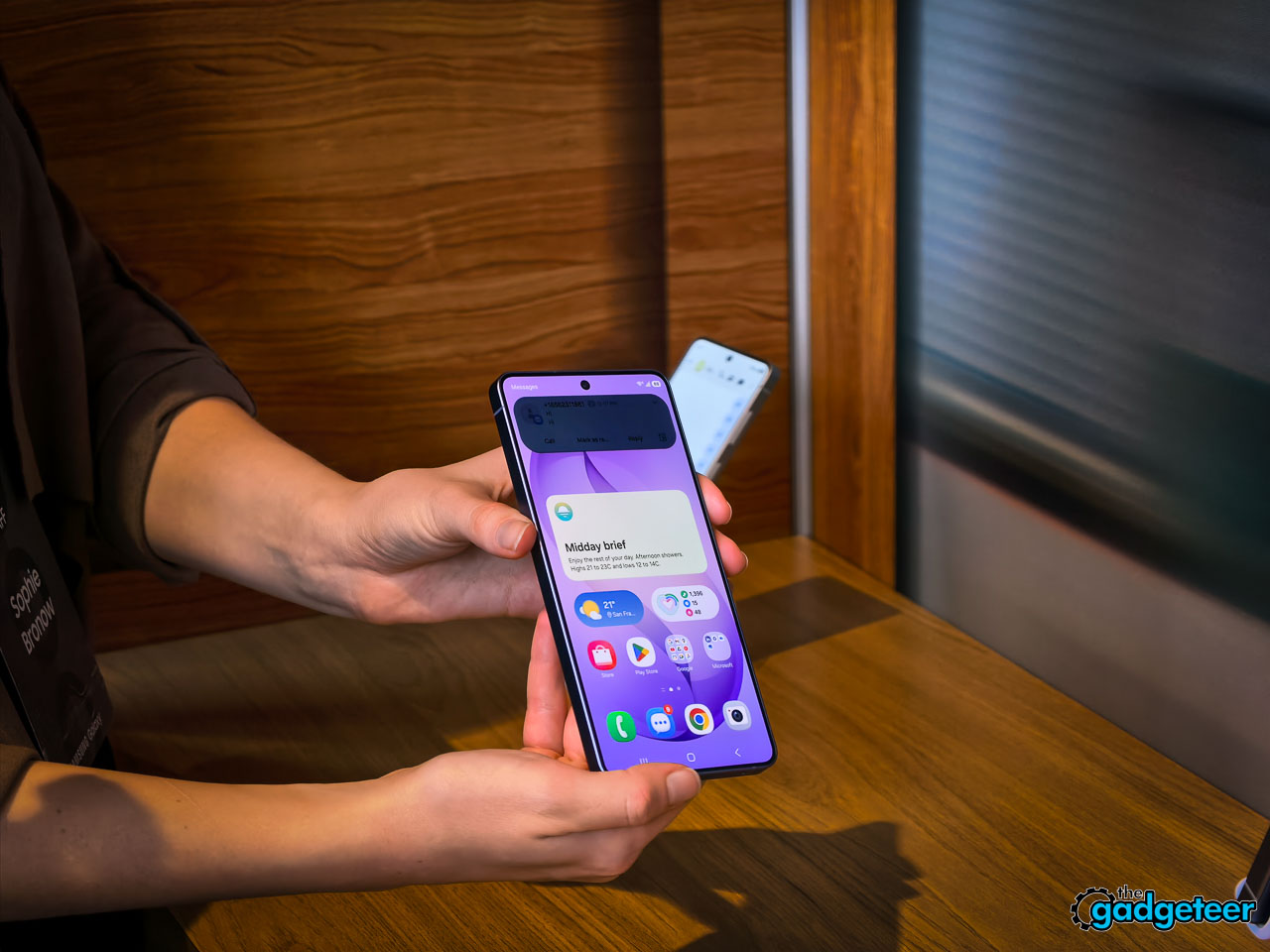
Samsung’s latest flagship landed in late February and immediately took over the Android conversation. The Galaxy S26 Ultra runs on the Snapdragon 8 Elite Gen 5 for Galaxy, pairs it with 12 GB of RAM on the 256 and 512 GB models (16 GB on the 1 TB version), and wraps everything in an Armor Aluminum frame that feels like it could survive a disagreement with concrete. The display stretches to 6.9 inches with a 2K Dynamic AMOLED panel pushing 120 Hz, and Samsung leaned hard into Galaxy AI this generation with real-time translation, generative editing tools, and an upgraded Circle to Search that now understands context across apps.

2. Nintendo Switch 2
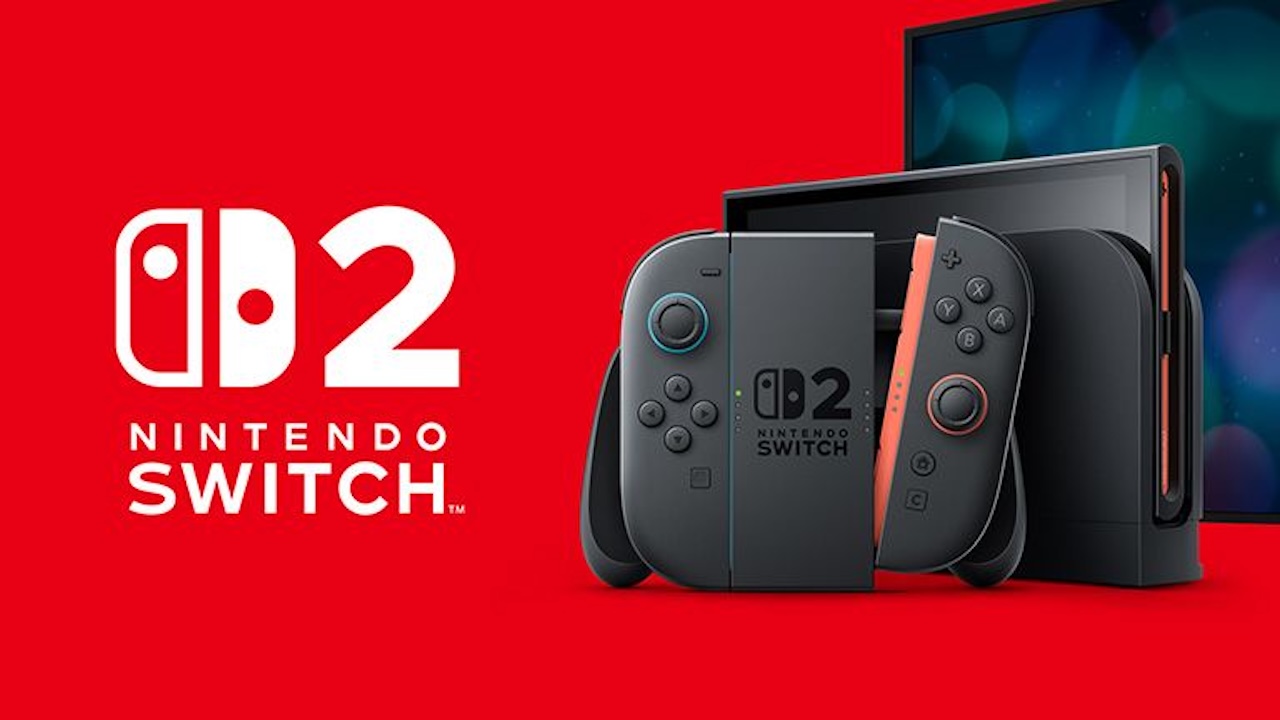
Nintendo revealed the Switch 2 back in January 2025 and launched it that June, but the conversation around it hasn’t cooled off. The successor keeps the hybrid handheld-console formula but scales everything up with a 7.9-inch LCD display that supports HDR10 and up to 120 Hz with variable refresh rate, magnetic Joy-Cons that snap into place with a satisfying click, and a custom NVIDIA chip built on Ampere architecture that closes the performance gap with current-gen consoles more than anyone expected.

3. TCL X11L SQD-Mini LED TV
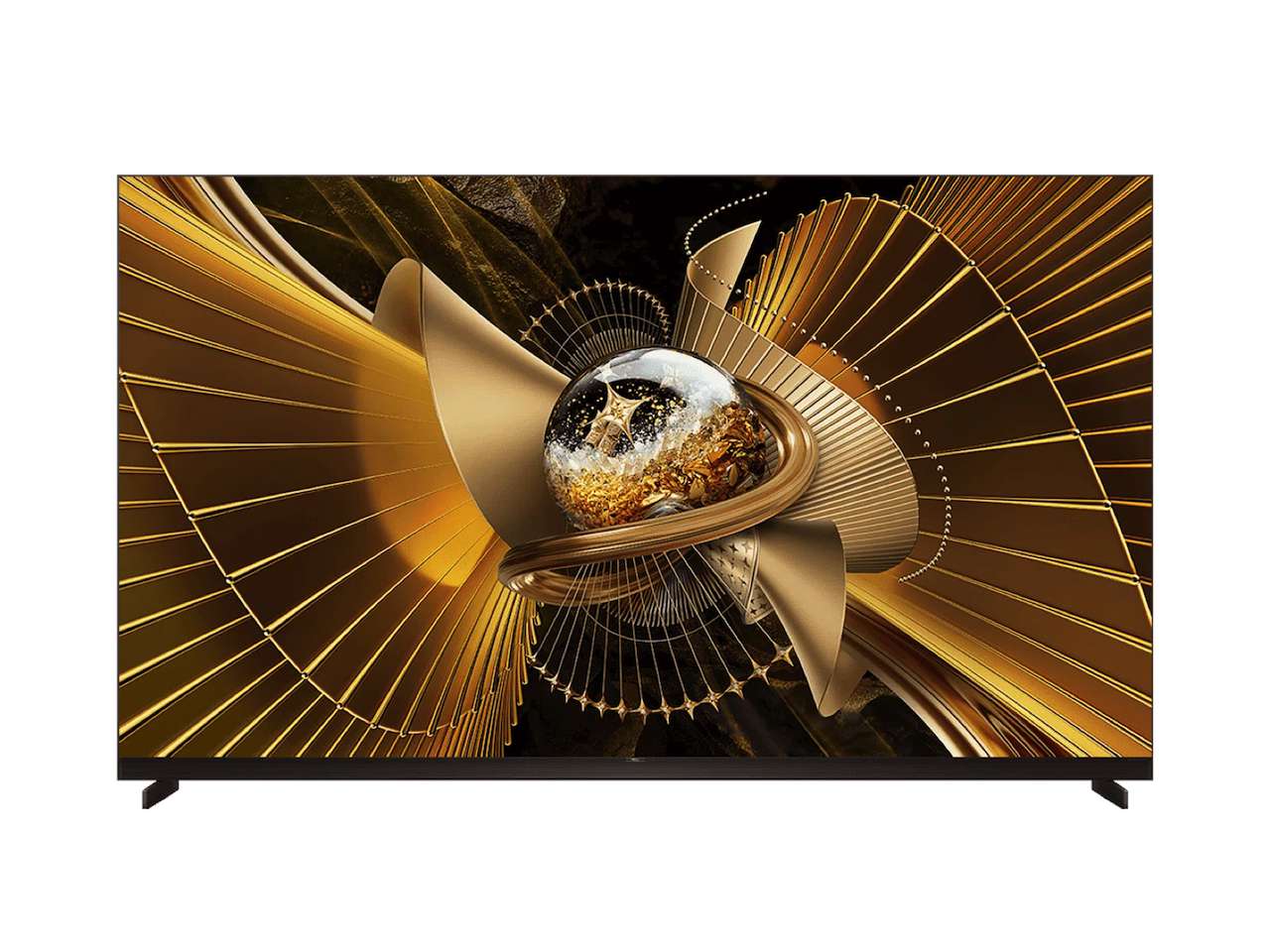
TCL showed up to CES 2026 with a television that made the rest of the show floor feel dimmer by comparison. The X11L is a Super Quantum Dot Mini LED panel with 20,736 precise dimming zones, which gives it the kind of contrast control that previously required an OLED price tag. Peak brightness reaches up to 10,000 nits according to TCL, making it comfortably the brightest consumer TV ever produced and a genuine HDR showcase that makes even well-mastered Dolby Vision content feel like you’re seeing it for the first time.
4. Sony WF-1000XM6
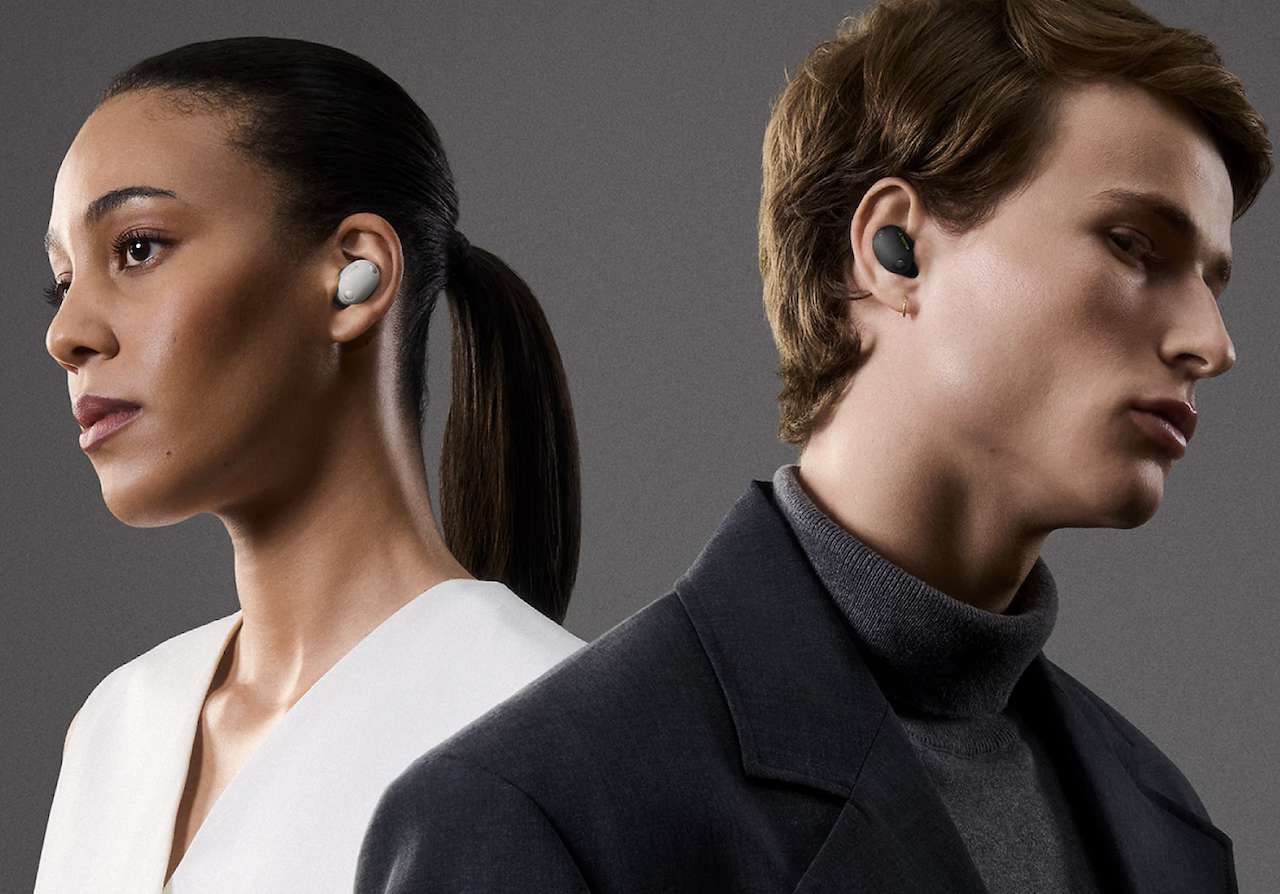
Sony’s premium earbuds have owned the top spot in most best-of lists for years, and the Sony WF-1000XM6 generation makes a genuine attempt to keep that streak alive. The headline feature is a completely overhauled noise cancellation engine powered by the QN3e processor, which Sony says runs three times faster than the chip in the XM5. Eight adaptive microphones work in real time to block ambient sound with more precision than any previous generation, and call quality gets a serious bump from a voice accelerometer and advanced mic array that handles wind noise far better than before.

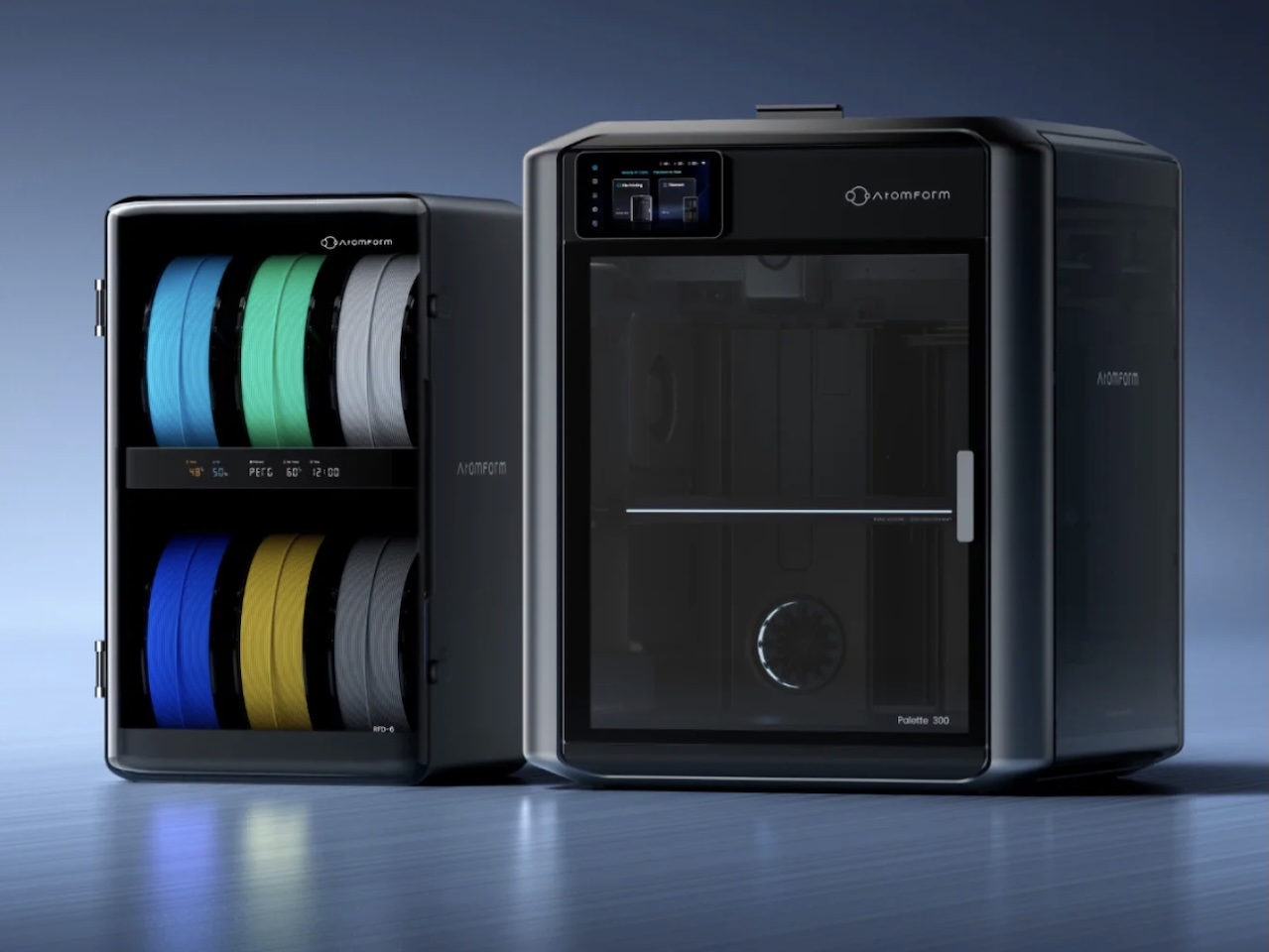
5. AtomForm Palette 300
This one came out of nowhere at CES and hasn’t stopped generating conversation since. The Palette 300 is a 3D printer with 12 dedicated nozzles that automatically swap during printing, enabling up to 36 colours and 12 materials in a single job without the filament purging that wastes material on every colour change in competing systems.

6. LG Signature Washer-Dryer Combo
Home tech rarely generates the kind of buzz that phones and laptops enjoy, but LG’s Signature ventless washer-dryer combo became the unlikely star of CES 2026’s home appliance floor. It washes and dries a 10-pound load of laundry in under 90 minutes, which sounds unremarkable until you realize most combo units take three hours or more to complete the same cycle.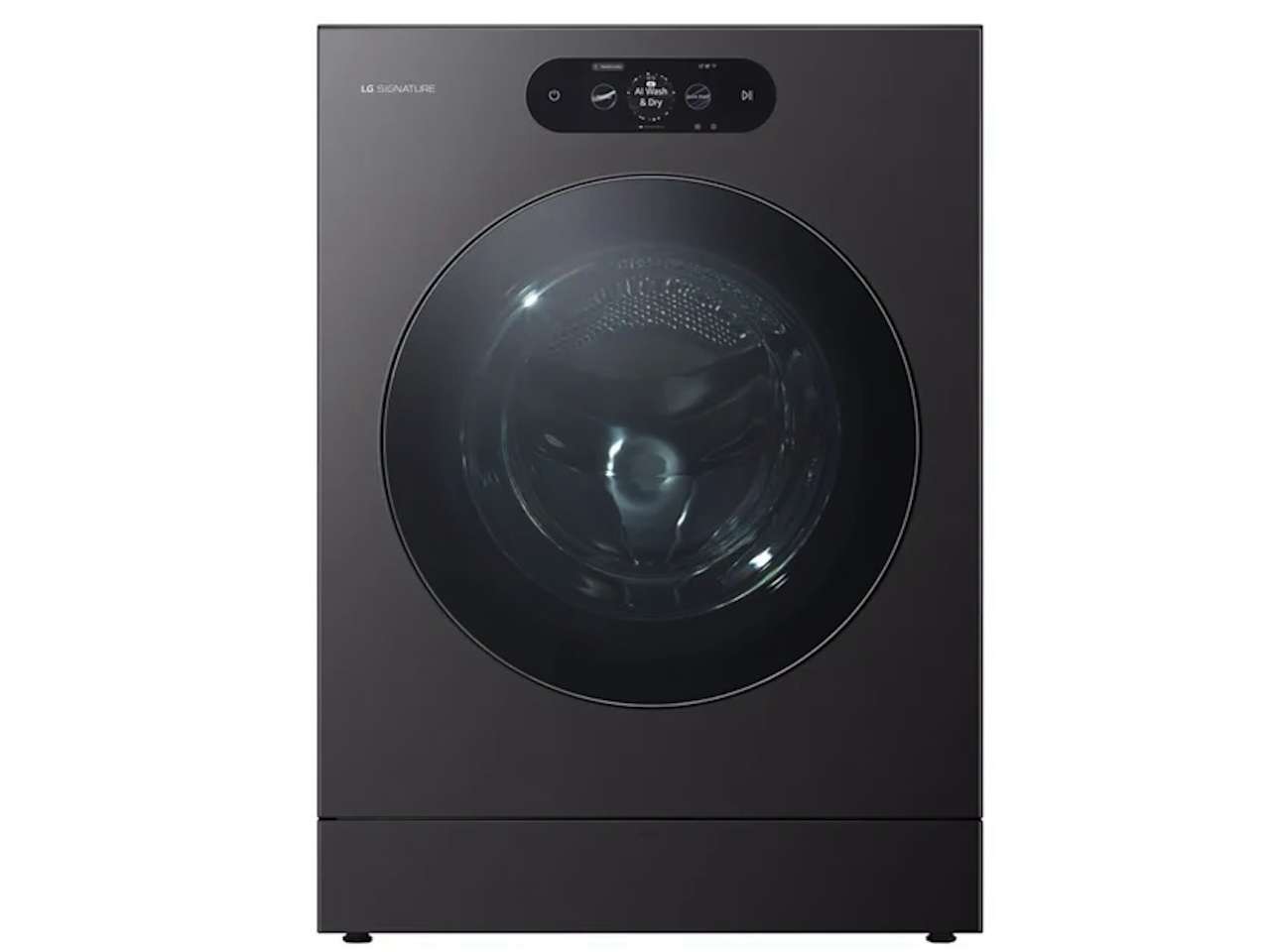
The ventless design means no external duct is required, opening up installation options for apartments and spaces where traditional dryer hookups aren’t available. LG paired the hardware with a smart diagnostics system that monitors wear patterns and suggests maintenance before problems develop. It’s the kind of appliance that doesn’t sound exciting until you live with one.
7. Xiaomi Book Pro 14
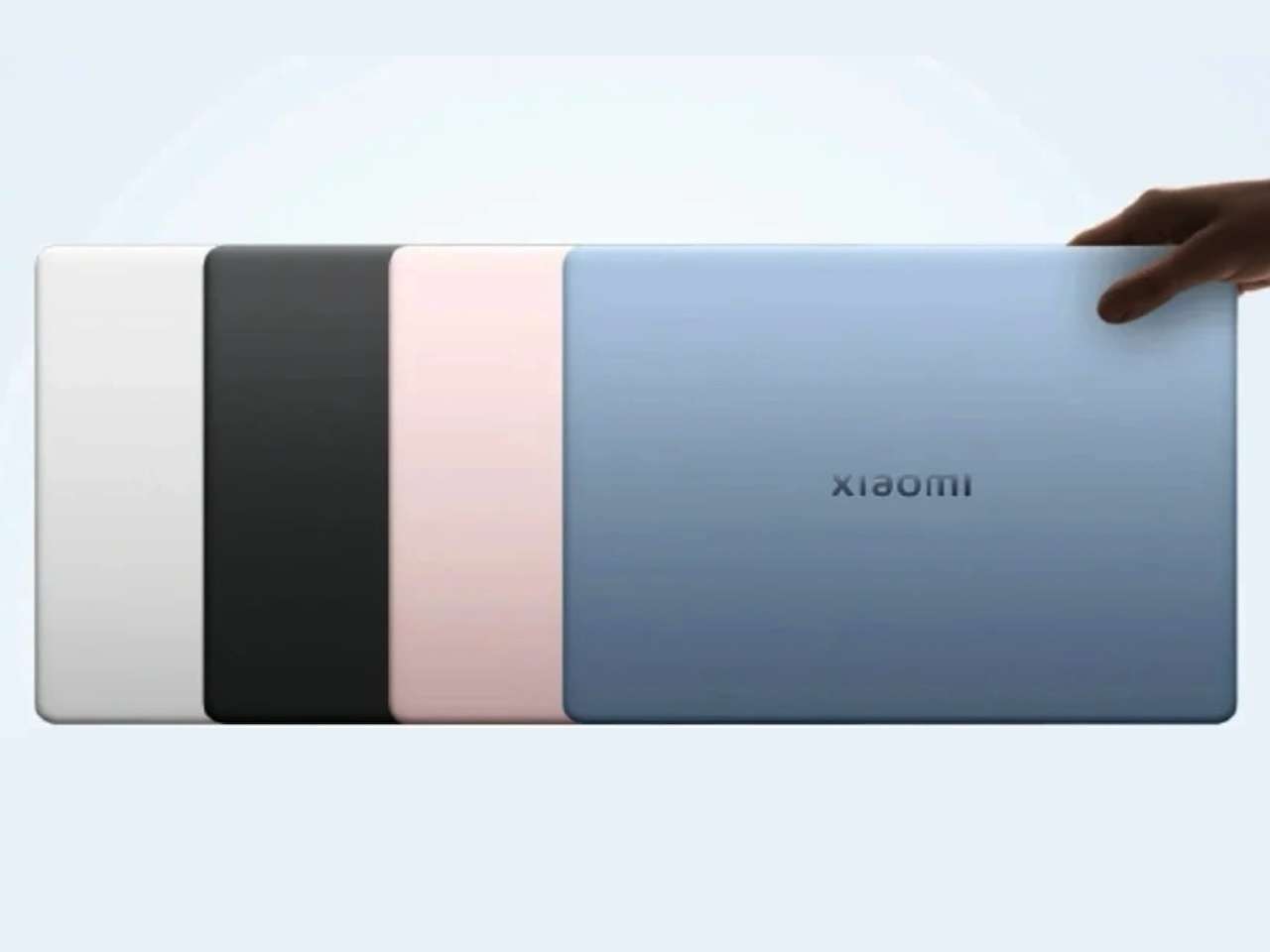
Xiaomi’s Book Pro line had been dormant long enough that most people outside China forgot it existed, and then the company dropped a Panther Lake ultrabook that directly targets Apple’s MacBook Pro lineup. The Xiaomi Book Pro 14 runs Intel’s brand new Core Ultra X7 358H processor at up to 50 W TDP, packs 32 GB of LPDDR5X RAM and a 72 Wh battery, and wraps it all in a die-cast magnesium alloy unibody with a carbon-fiber bottom shell that weighs just 1.08 kg.
8. Beats Powerbeats Pro 2 (Nike Special Edition)
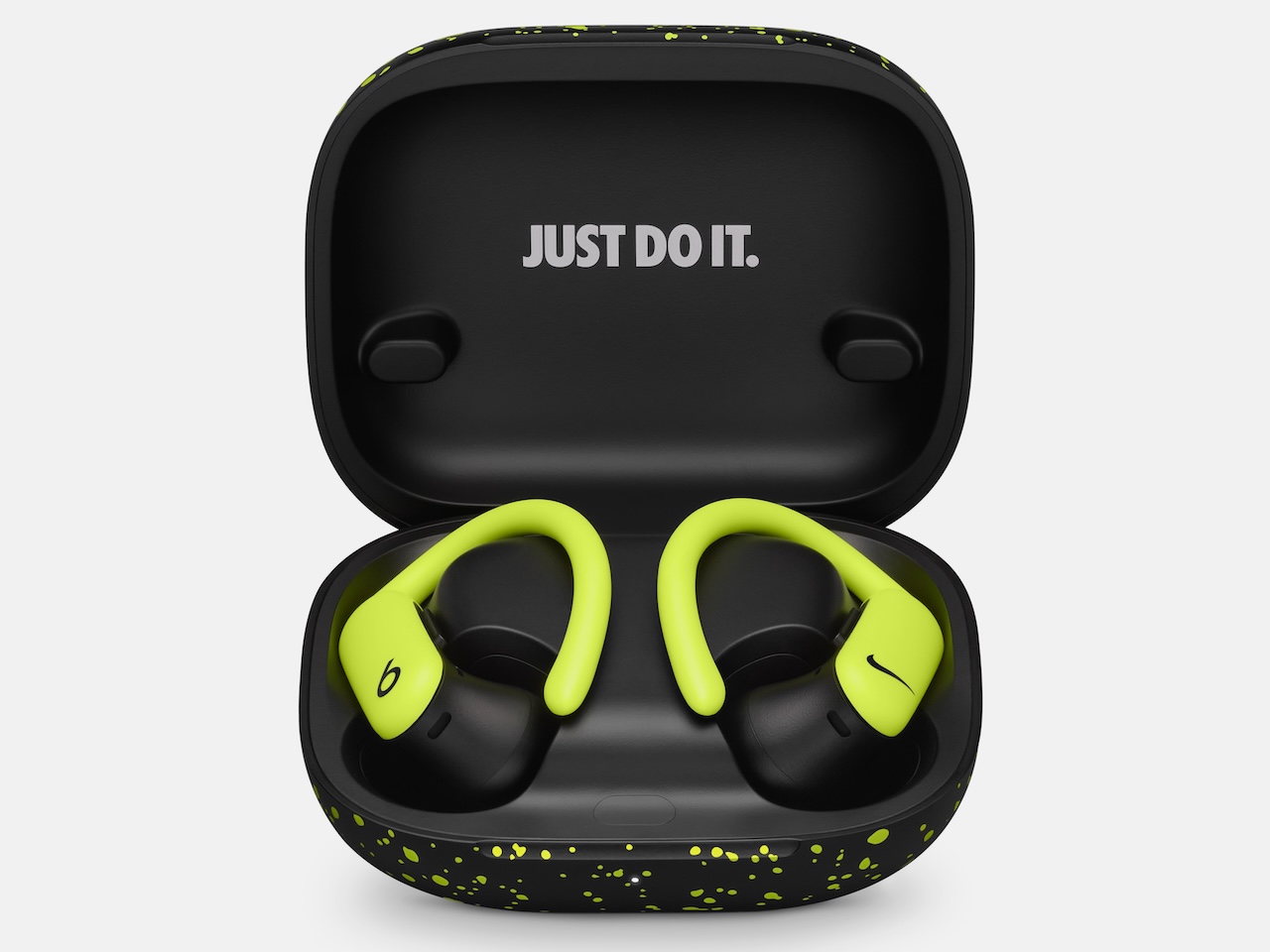
The standard Powerbeats Pro 2 already had a strong reception, but Nike’s special edition collaboration pushed them back into the spotlight in March. The performance-focused earbuds feature secure ear hooks that stay locked during explosive movement, heart rate monitoring built into the earpiece, and an IPX4 sweat resistance rating that handles everything short of full submersion.
9. Anycubic Kobra X
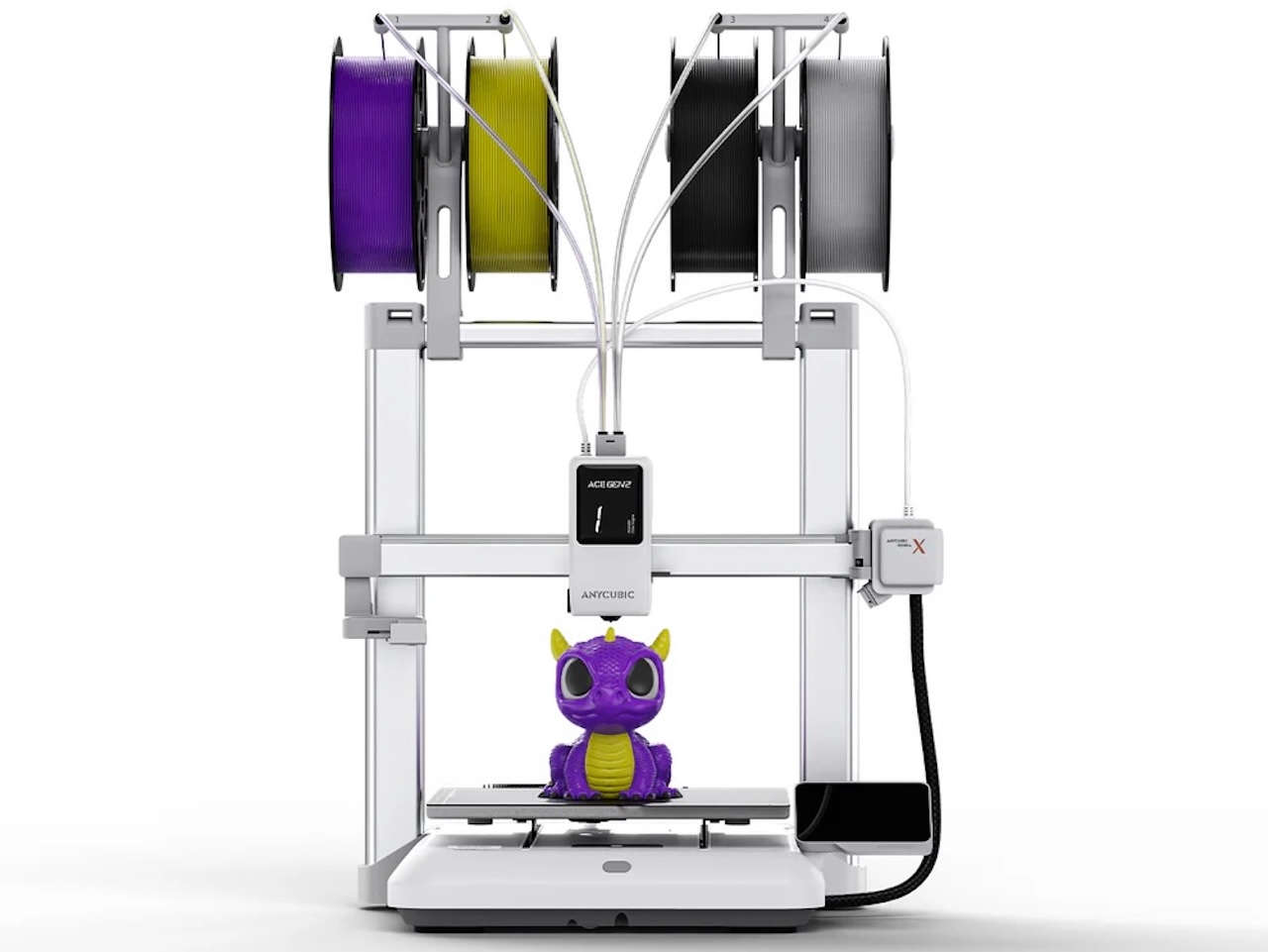
Multi-color 3D printing used to require either expensive hardware or frustrating workarounds. The Kobra X changes the equation with a built-in four-color system powered by Anycubic’s ACE Gen 2 technology, expandable to 19 colors with the optional external ACE2 Pro accessory, all at an early-bird price of $279. The 260 by 260 by 260 mm build volume handles most hobbyist projects comfortably, and 600 mm/s print speeds keep production times reasonable.

10. QuietOn 4
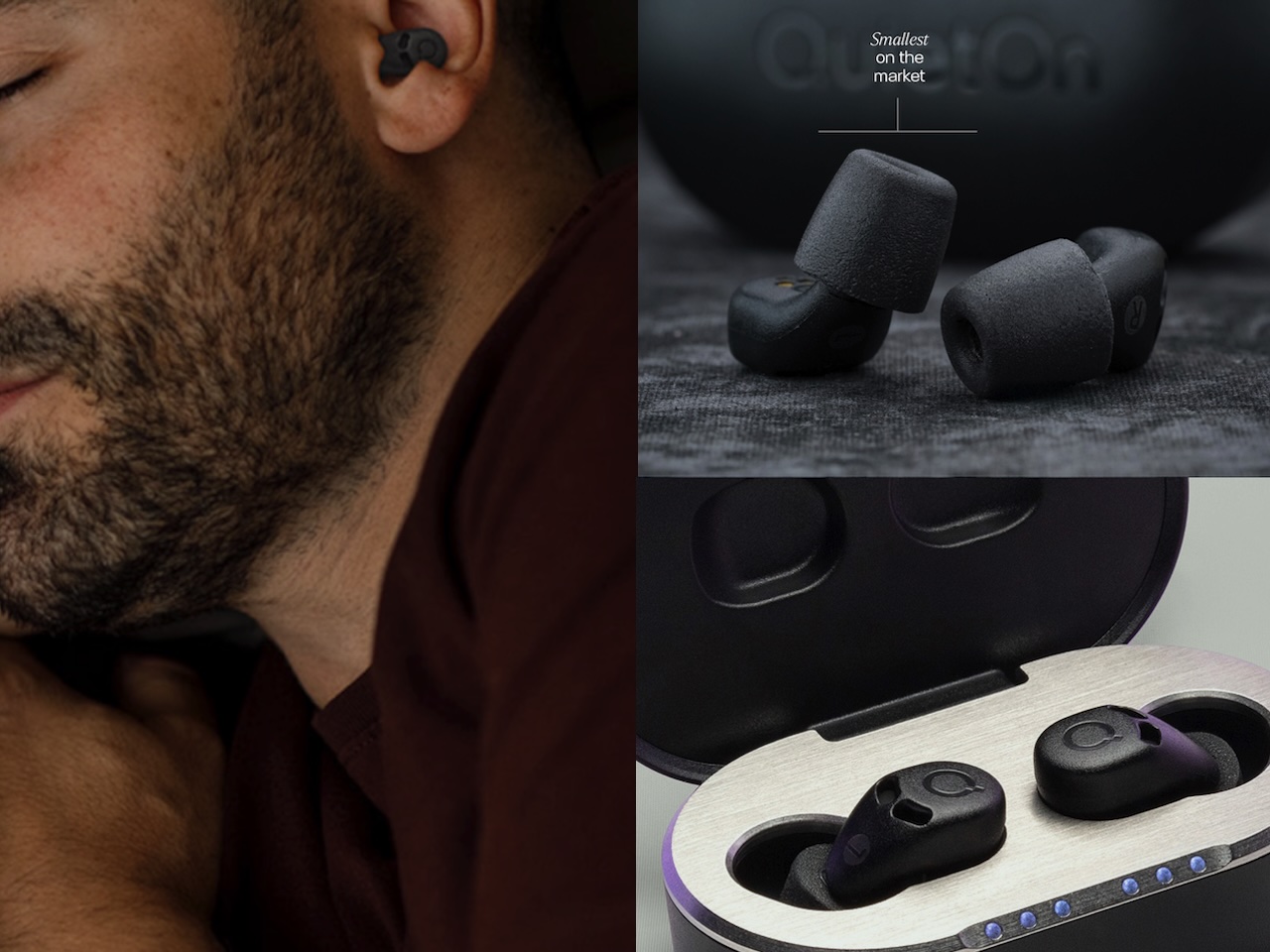
Sleep tech has been chasing the promise of earbuds that actually block snoring without playing white noise over the top of it. The QuietOn 4 might be the closest anyone has gotten. These are the world’s smallest active noise-cancelling earbuds built exclusively for sleep, using a precision microphone and speaker system that generates phase-shifted waveforms to cancel low-frequency sounds like snoring, traffic, and HVAC hum.
The bigger picture
What stands out about this batch isn’t any single product. It’s the range. A $279 3D printer sits on the same list as a $290 pair of sleep earbuds and a flagship phone that costs four times as much. The thread connecting all ten is that each one solves something specific, whether that’s faster laundry cycles, multi-color printing without waste, or noise cancellation that doesn’t add noise back in. The best gadgets in 2026 aren’t trying to do everything. They’re picking one problem and attacking it with sharper focus than the generation before.
This list also reflects where consumer tech is headed. AI isn’t a feature anymore; it’s infrastructure. You’ll find it in Samsung’s camera processing, Anycubic’s print monitoring, LG’s load detection, and Sony’s adaptive noise cancellation. It’s baked into the product rather than bolted on top. The companies treating AI as a quiet layer that makes things work better, not a headline feature to slap on the box, are the ones building products that actually stick.
It’s only the first quarter of 2026, and this year already feels like it’s moving at double speed. If January through March brought this much heat, the rest of the year has a high bar to clear. We’ll keep tracking the new gadgets in 2026 that actually matter, not just the ones with the biggest marketing budgets, and updating this list as new contenders earn their spot. Stay close.