As the USS Abraham Lincoln repositions, attention has turned to the F-35C Lightning II and why it poses a serious challenge to Iran’s air-defence network. The jet isn’t just stealthy — it’s built to dominate the electromagnetic battlefield.
1. Extreme Stealth by Design
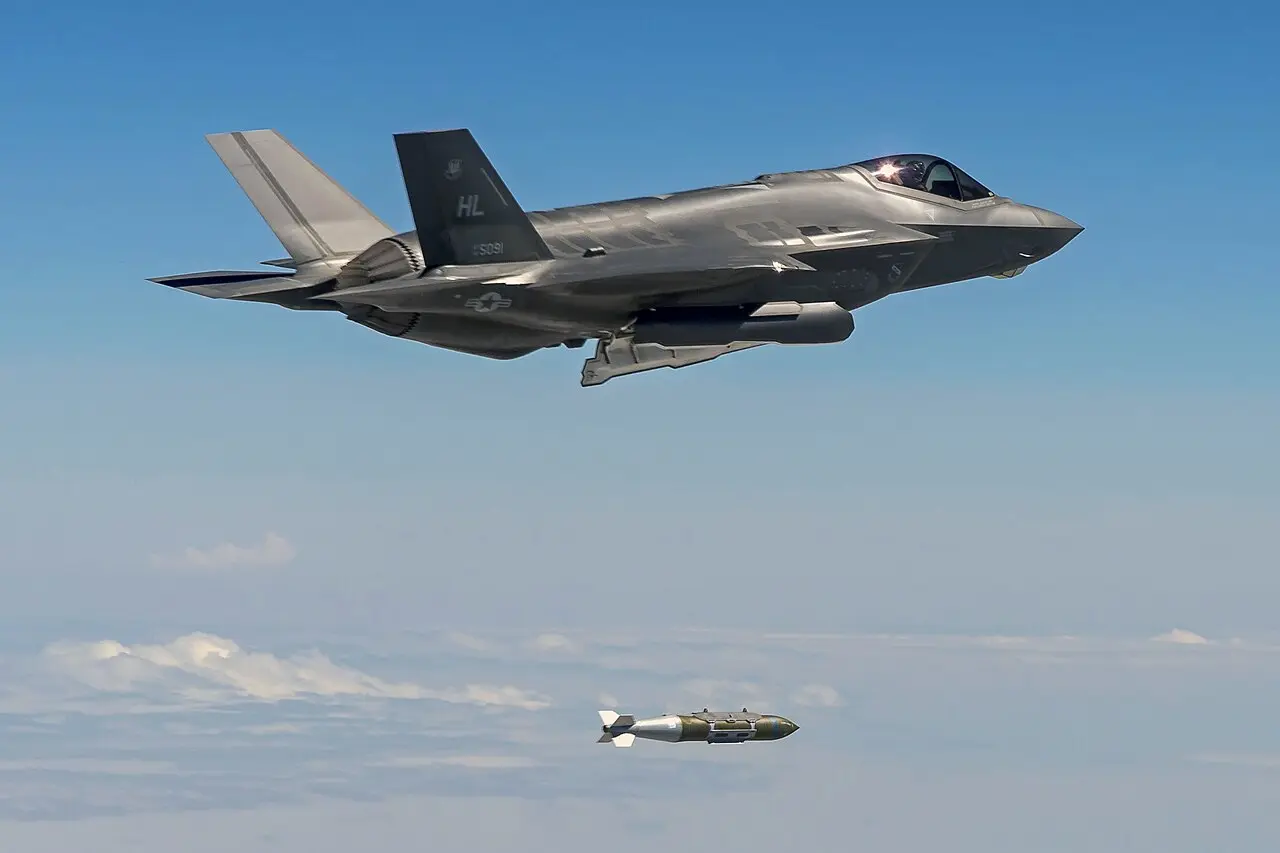
The F-35C’s low-observable shaping, internal weapons bays, and radar-absorbent materials reduce its radar signature to something as small as a metal marble. This prevents Iranian systems like the S-300 and Bavar-373 from achieving a weapons-grade radar lock.

(Photograph: Wikimedia commons)
2. Advanced AESA Radar (AN/APG-81)
Unlike traditional radars, the F-35’s AESA radar uses rapid frequency hopping, making it extremely difficult to detect or jam. The jet can actively scan targets while remaining electronically discreet — a key advantage in contested airspace.


(Photograph: US Navy)
3. Sensor Fusion = Information Superiority

(Photograph: Wikimedia commons)
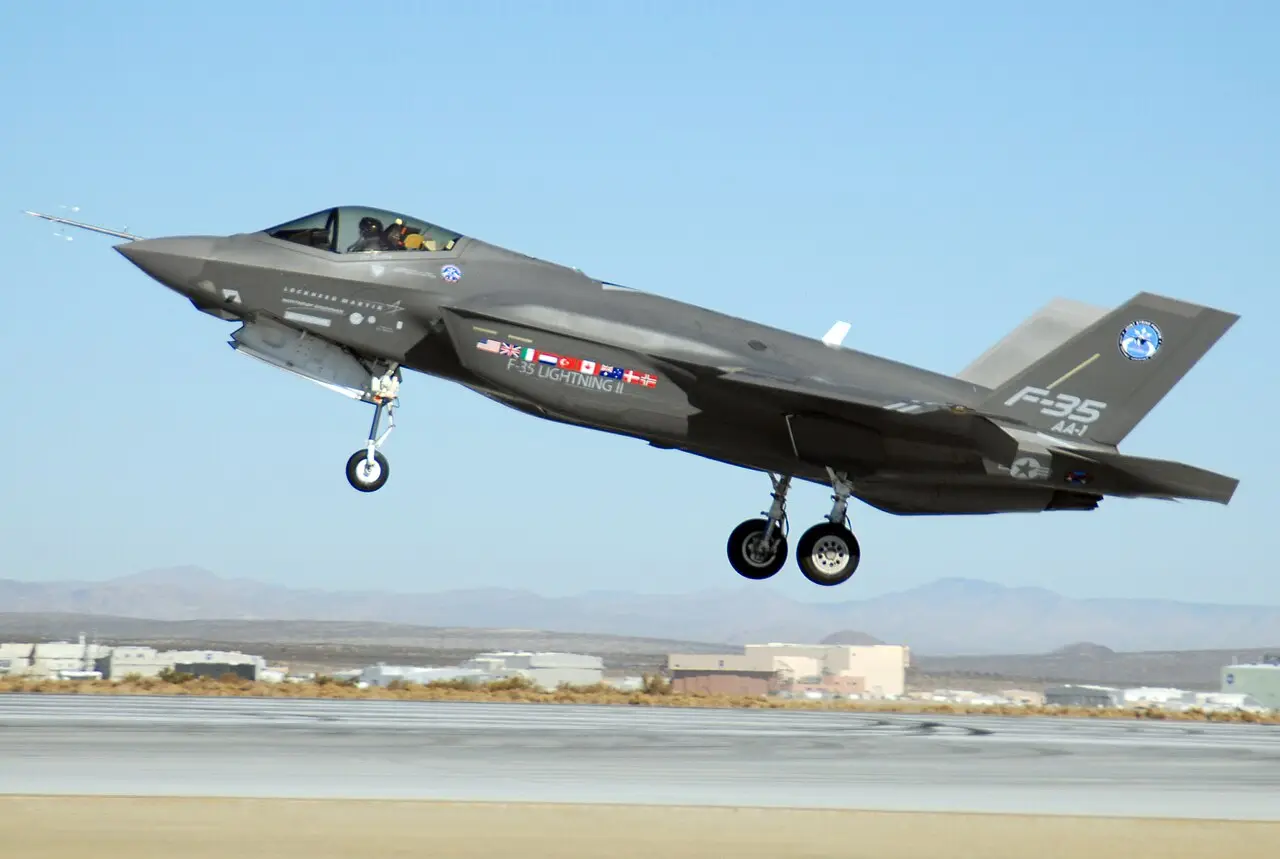
All onboard sensors — radar, infrared, and electronic warfare — are fused into one real-time tactical picture. This gives pilots 360-degree situational awareness and decision-making speed far beyond older fighter platforms.
4. Powerful Electronic Warfare Suite (AN/ASQ-239)

(Photograph: Wikimedia commons)
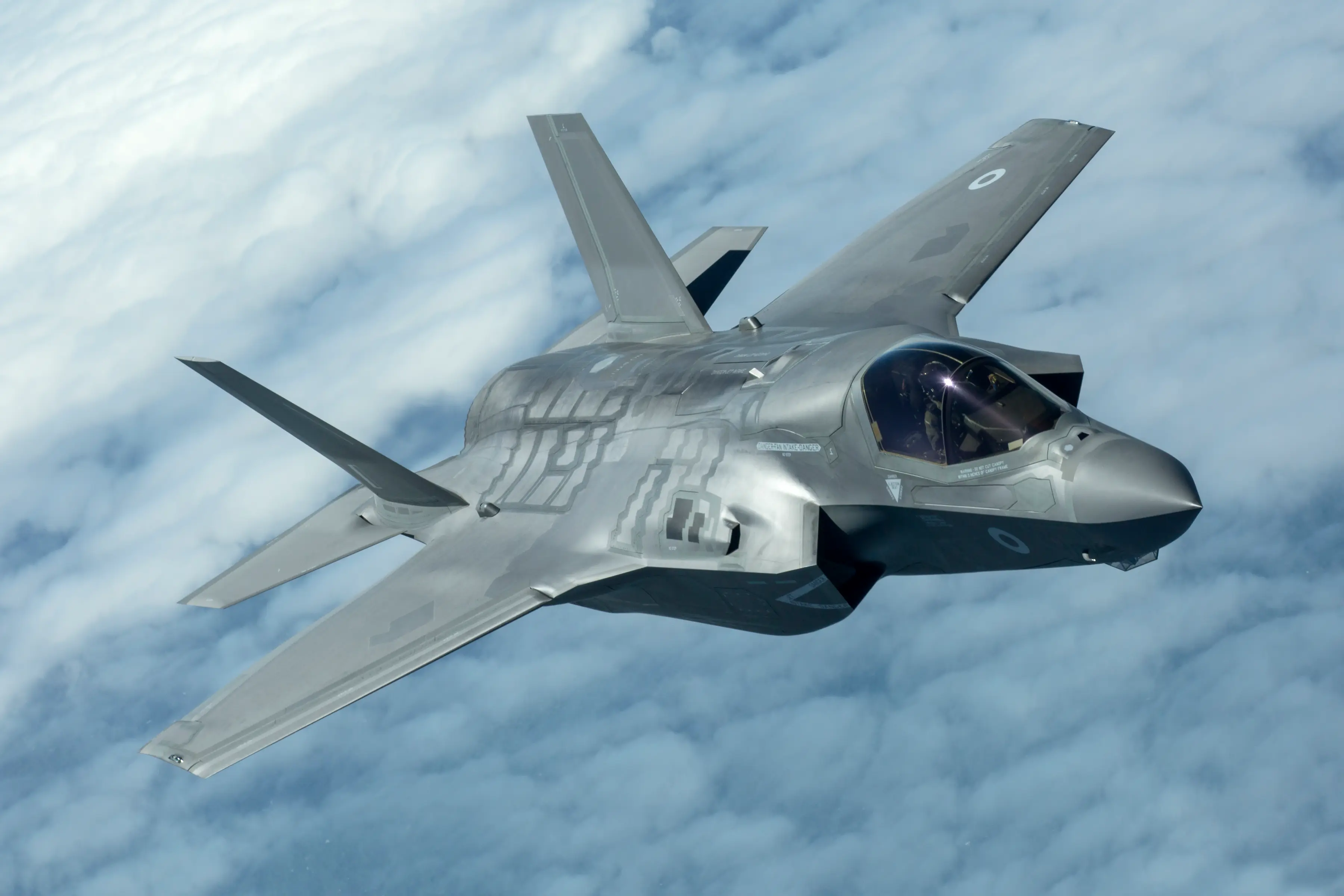
The F-35C carries a cutting-edge EW system that can detect, classify, and jam enemy radar simultaneously. In many cases, Iranian radar operators may not realize a stealth jet is nearby until their systems are already compromised.
5. Distributed Aperture System (DAS)

(Photograph: Wikimedia commons)
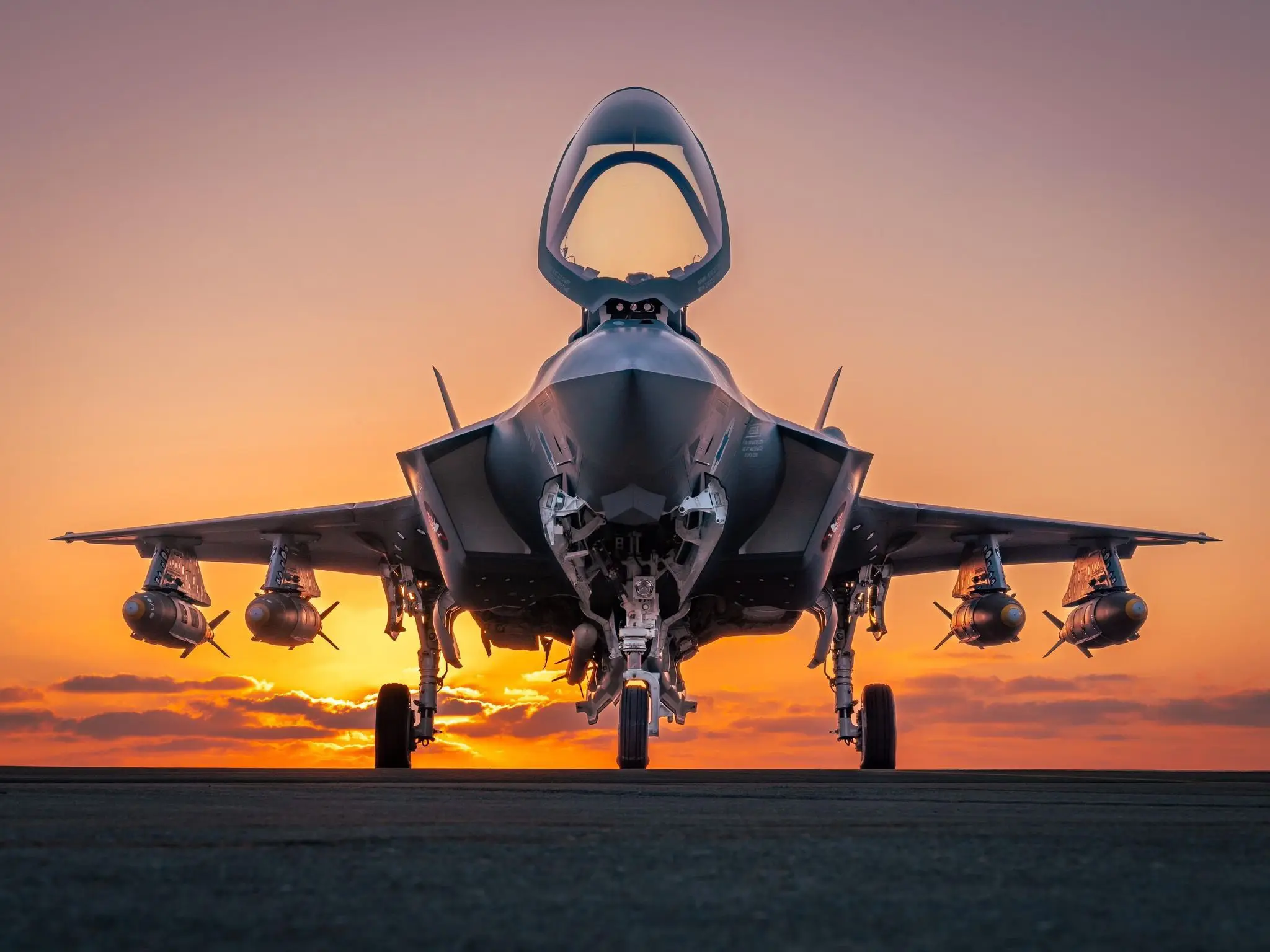
Six infrared cameras provide the pilot with full spherical vision, allowing them to detect missiles or aircraft from any direction — even through the cockpit floor via the helmet display.
6. “Battlefield Quarterback” Role
The F-35C acts as a force multiplier, quietly gathering intelligence and sharing it with non-stealth assets like F/A-18 Super Hornets and U.S. Navy destroyers via secure data links. Other forces strike targets the F-35 identifies — without ever being seen.
7. Long-Range Persistence
With nearly 20,000 pounds of internal fuel, the F-35C can conduct long-range missions without external tanks that would compromise stealth. This allows deep penetration, extended loiter time, and surveillance of sensitive sites — all while remaining virtually invisible.