

























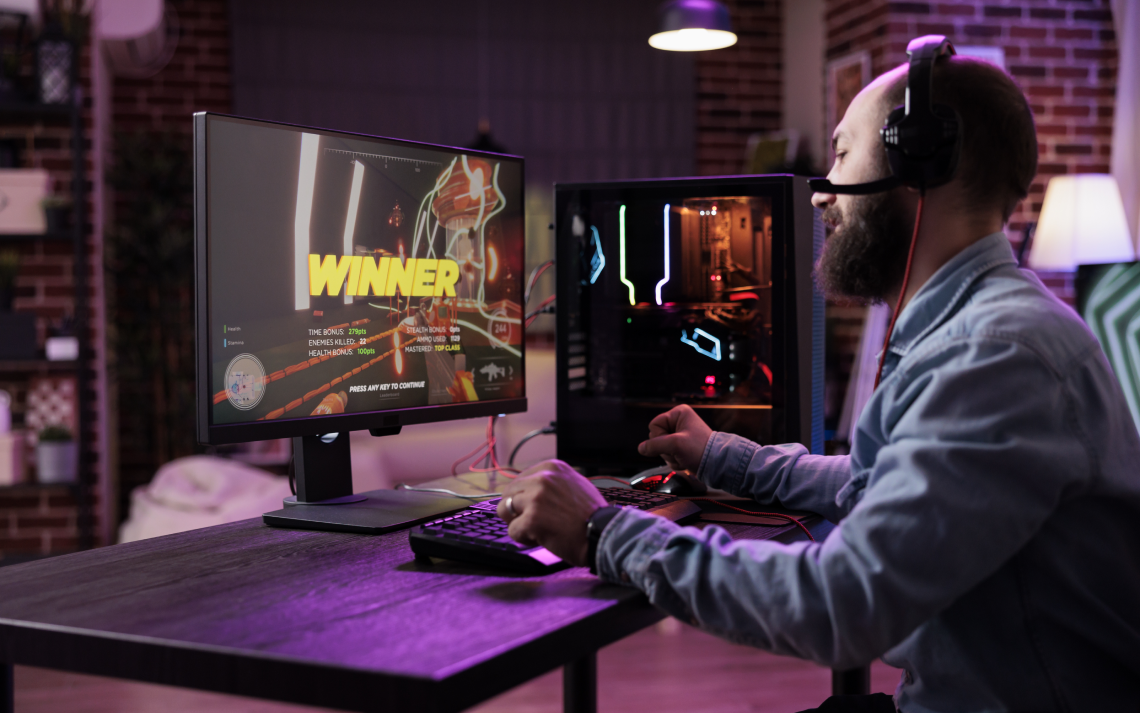
One of the biggest changes to the gaming business in ten years occurred in 2025. What players expect from contemporary gaming gear has been redefined by powerful new consoles, cutting-edge portable devices, and audacious pricing tactics. This year set a new standard for innovation and customer demand with everything from ultra-portable systems to powerful performance machines.
The spotlight shone brightest on Nintendo, whose Switch 2 launched at a premium $500 yet surpassed sales records to become the fastest-selling console ever. It became a worldwide favourite for both recreational and professional gamers thanks to its improved performance, hybrid adaptability, and improved display quality. Simultaneously, Xbox and Asus unveiled a new generation of portable performance. Although its $1,000 price tag sparked discussions about affordability as handhelds get closer to high-end PC pricing, the Xbox ROG Ally X rapidly gained attention for providing near-desktop power in a small form factor.
New releases weren’t the only ones with price modifications. Even established hardware such as the PlayStation 5 Pro witnessed a $50 hike, reflecting changing production costs and a changed economic context. These hikes indicated a new era where top-tier gaming gear required higher prices, driving buyers to carefully assess features, longevity and value.
Amidst the increased expenses, users received access to a larger game library, improved cloud-gaming compatibility, and faster hardware built around AI-enhanced performance. This mix of power and accessibility changed expectations for both console and mobile gaming throughout the year.
Looking ahead to 2026, the trend shows no indications of diminishing. Valve is developing fresh improvements in PC gaming and VR technologies, stirring interest across the community. With long-awaited releases like GTA 6 on the horizon, the next chapter of gaming is ready to go even further