Samsung could launch its highly anticipated smart glasses as early as mid-December, but growing privacy concerns, public criticism and potential government restrictions may make the timing less than ideal.
After months of speculation and teasers, Samsung appears to be moving closer to introducing its first smart glasses. According to a report by South Korean newspaper Chosun Ilbo, citing sources within the electronics industry, the devices could go on sale in mid-December 2026.
The report suggests that the initial launch will be limited to the United States and South Korea, arriving slightly later than previously anticipated.
Samsung has yet to officially confirm the release date, so the reported timeline remains unverified. Other important details, particularly pricing, are also yet to be announced.
Pricing could play a major role in determining how well Samsung competes with established players such as Meta, which has already built a strong presence in the AI-powered smart glasses market.
Growing Privacy Concerns Could Complicate Samsung’s Launch
Beyond pricing and technology, Samsung faces another challenge that may be more difficult to control: changing public attitudes towards smart glasses.
When Samsung first announced its partnership with eyewear brand Gentle Monster in May 2026, concerns about the technology were already emerging. However, public resistance has become more noticeable in recent months.
Criticism from celebrities, including Lorde, alongside reports of people misusing smart glasses, has contributed to growing concerns about privacy and recording people without their consent.
Governments and regulators are also beginning to pay closer attention.
Europe has seen some of the strongest regulatory responses, with a proposed nationwide ban under consideration in Norway and a citywide ban recently introduced in Hamburg, Germany.
Unlike some restrictions in the United States, which have primarily focused on sensitive locations such as schools and courtrooms, these European measures target the use of smart glasses in public spaces.

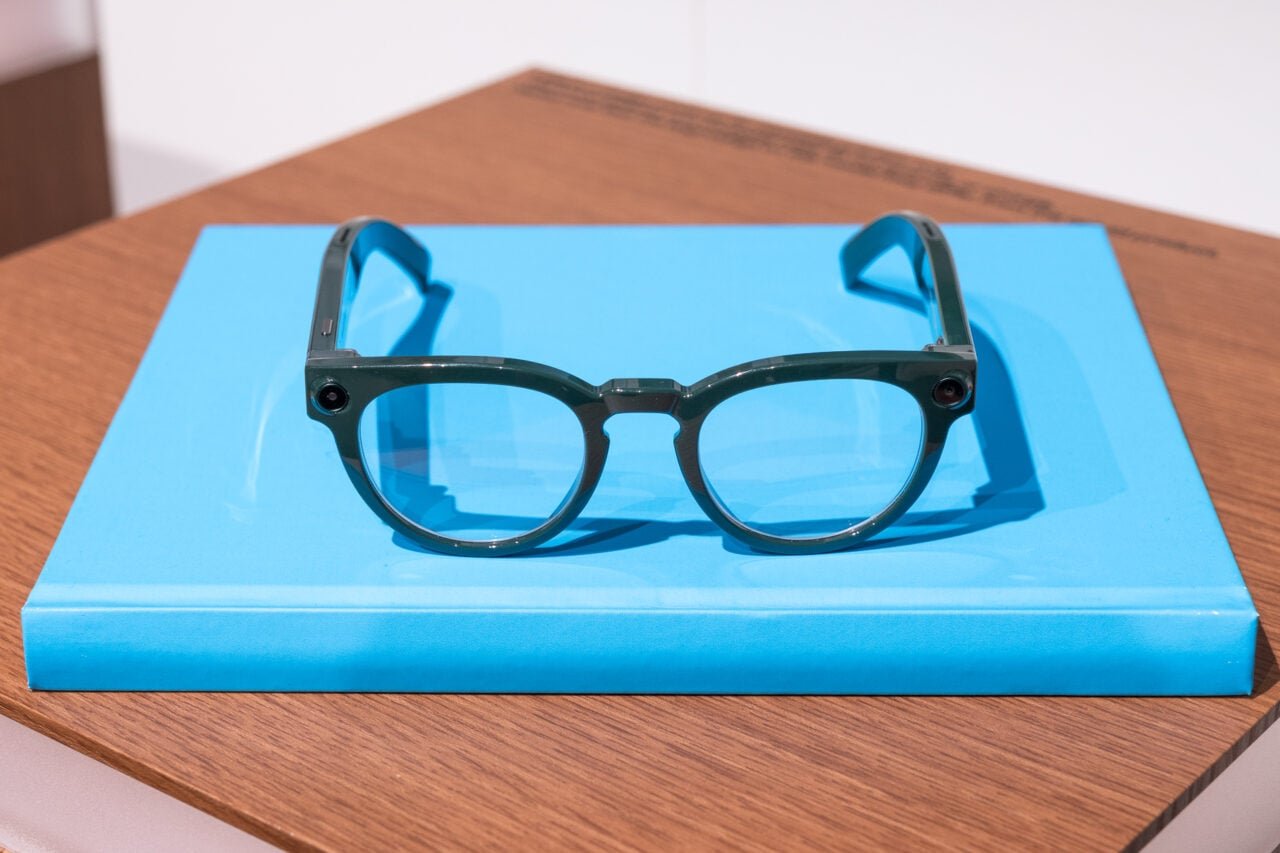
Via: Samsung
US Lawmakers Begin Raising Questions About Smart Glasses
Although American lawmakers have been slower to introduce broad restrictions, their position could be changing.
Last week, US senators demanded explanations from Meta regarding its privacy practices, particularly how the company collects and uses data from its smart glasses to train artificial intelligence systems.
The concerns include reports that human contractors reviewing recorded footage have encountered highly sensitive material, including videos showing people naked or using bathrooms.
The revelations have raised questions about how recorded content is handled, who can access it and whether people being filmed are adequately protected.
While lawmakers have not yet called for comprehensive restrictions, the growing scrutiny suggests that smart glasses could face greater regulatory attention in the United States.
Can Samsung Overcome the Growing Backlash?
Samsung is preparing to enter an increasingly competitive market at a time when smart glasses are facing questions about their social acceptability.
Even if the company delivers a technically impressive product capable of challenging Meta’s expanding range of AI-powered eyewear, its success may depend on more than hardware specifications and innovative features.
Public acceptance, privacy protections and future regulations could ultimately determine how widely the devices are adopted.
With a potential December launch approaching, Samsung may soon discover whether consumers are ready to embrace another generation of wearable technology or whether growing concerns will stand in the way of its ambitions.