



































Robo-Nurses: How Automation is Changing Nursing
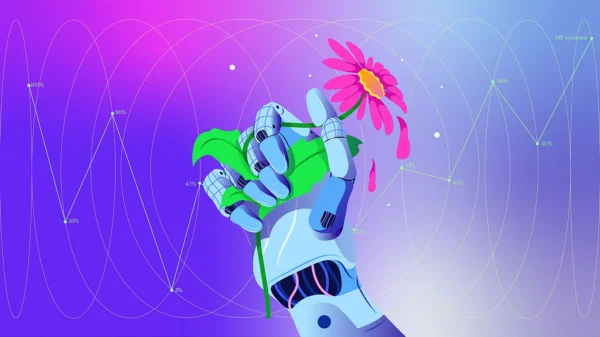
“Welcome to the world of ‘Robo-Nurses,’ where technology and compassion converge to reshape the landscape of healthcare”.
Key Takeaways:
- Robo-nurses blend technology with nursing to improve care.
- They help with tasks, reduce errors, and increase efficiency.
- But they lack human empathy and nuanced decision-making.
- Finding the right balance between technology and compassion is crucial.
- Privacy concerns and legal rules are important in their use.
- Nurses need new training to work alongside robo-nurses.
- Nursing education is changing to prepare for advanced technology.
- Robo-nurses might expand into more healthcare roles in the future.
- The future of healthcare lies in combining technology with empathy.
In an age characterized by rapid technological advancement, the winds of change have swept across industries, redefining norms and pushing the boundaries of innovation. From manufacturing to transportation, automation has emerged as a transformative force, streamlining processes and reshaping entire sectors. Amidst this evolution, the healthcare field stands at the forefront of change, embracing the promise of automation to enhance patient care and revolutionize nursing practices. Welcome to a world where machines and humanity unite – where the concept of “Robo-Nurses” heralds a new era in healthcare delivery. In this article, we embark on a journey to explore the profound impact of automation on the nursing profession, unveiling the potential of robo-nurses to bring precision, efficiency, and transformation to the heart of healthcare.
The rising tide of automation has redefined how industries operate, and healthcare is no exception. At the crossroads of technology and caregiving, the emergence of robo-nurses represents a pivotal juncture that challenges conventional notions of patient care. These mechanized caregivers, born from the marriage of robotics and artificial intelligence, are not mere novelties but powerful tools that hold the potential to reshape the landscape of nursing.
Robo-nurses are not about replacing the invaluable human touch but rather about augmenting it with the precision and efficiency that machines can provide. They are not intended to replace the compassion of a nurse’s hand, the empathy in their voice, or the intuition born from years of experience. Instead, robo-nurses aim to share the load of repetitive tasks, freeing up nurses’ time and mental space to focus on what truly matters: holistic care that addresses both the physical and emotional dimensions of healing.
Exploring the Origins of Robo-Nurses and Their Development Over the Years
The roots of robo-nurses trace back to the convergence of two remarkable fields: robotics and healthcare. As technology rapidly evolved, integrating robots into healthcare settings emerged as a promising avenue to alleviate the strain on medical professionals and enhance patient care. The journey toward creating robo-nurses began with humble prototypes that aimed to perform basic tasks, such as medication delivery and patient monitoring. These early endeavors laid the foundation for what would eventually become a sophisticated fusion of mechanics and intelligence.
The development of robo-nurses gained significant momentum with the strides made in robotics and artificial intelligence. Breakthroughs in sensor technology have allowed robots to perceive and respond to their environments with a level of precision previously unattainable. Machine learning algorithms enabled these machines to learn and adapt, transforming them from rigid automatons into adaptable companions capable of interacting with patients on a deeper level.
One of the key advancements in robotics that facilitated the birth of robo-nurses was the creation of biomimetic designs. Engineers and researchers drew inspiration from the intricacies of human anatomy and movement, resulting in robots that could mimic the actions of caregivers more accurately. These biomimetic designs improved the efficiency of tasks and fostered a sense of familiarity and comfort for patients, blurring the line between human touch and technological assistance.
The evolution of artificial intelligence played an equally vital role in the journey of robo-nurses. Early attempts at automation relied on rule-based systems, limiting the scope of tasks that robots could perform. However, the emergence of machine learning and neural networks revolutionized the capabilities of AI-driven robots. These systems could now analyze vast amounts of patient data to make informed decisions, transforming robo-nurses into intelligent partners capable of making critical judgments alongside human healthcare professionals.
Roles and Responsibilities: Redefining Nursing with Robo-Companions
Integrating robo-nurses into healthcare environments brings forth a transformative shift in the roles and responsibilities traditionally associated with nursing. These mechanical companions are not designed to replace human nurses but rather to enhance and extend the scope of care they provide. Delving into the specific tasks and responsibilities that robo-nurses are engineered to handle, we illuminate the profound impact of this automation on patient care and healthcare workflows.
Robo-nurses have been meticulously crafted to undertake a range of tasks that can alleviate the workload of human nurses and improve the overall patient experience. Routine activities such as taking vital signs, administering medications, and even assisting patients with mobility are among the many responsibilities that robo-nurses can adeptly manage. Their precision and consistency in executing these tasks contribute to reducing human error and ensuring that patients receive timely and accurate care.
However, the real innovation lies in the synergy between robo-nurses and their human counterparts. By delegating routine tasks to these automated companions, human nurses can focus more on tasks requiring unique skills, such as critical thinking, empathetic communication, and complex decision-making. This collaboration allows human nurses to dedicate more time to building meaningful relationships with patients, providing emotional support, and devising holistic care plans considering medical and emotional needs.
While robo-nurses excel in tasks that demand precision and efficiency, they need to improve in areas that require emotional intelligence and human connection. Comforting a distressed patient, offering words of reassurance, and comprehending nuanced nonverbal cues remain aspects where human nurses shine. The ability to empathize, adapt to individual patient needs, and offer personalized care based on emotional nuances are integral facets of the nursing profession that remain uniquely human.
Furthermore, robo-nurses contribute significantly to optimizing healthcare workflows. They can seamlessly collect and transmit patient data, ensuring healthcare professionals have up-to-date information to make informed decisions. This integration of technology streamlines processes, reducing administrative burdens on nurses and enabling them to allocate more time for direct patient interactions
Benefits and Limitations: Unveiling the Promise and Boundaries of Robo-Nurses
The emergence of robo-nurses within healthcare settings has ushered in a new era of possibilities and challenges. As we delve into the advantages and limitations of these mechanical caregivers, we gain a nuanced understanding of their impact on patient care and the delicate balance they strike with human expertise.
Advantages: Efficiency is elevated, and Errors are minimized
Robo-nurses shine when it comes to optimizing efficiency and minimizing human errors. Their unwavering precision in executing tasks such as administering medications, tracking patient vitals, and following protocols reduces the likelihood of mistakes that can have critical consequences. Moreover, their tireless nature ensures around-the-clock monitoring and timely intervention, augmenting patient safety.
The integration of AI and machine learning amplifies these benefits. Robo-nurses can process vast amounts of data to identify trends, detect anomalies, and predict potential health issues. This predictive capability empowers healthcare providers to adopt a proactive approach to patient care, preventing complications before they escalate.
Limitations: The Heart of Care and Complexity of Decision-Making
However, robo-nurses encounter inherent limitations that underscore the essence of the human touch in healthcare. While their algorithms can process data efficiently, they lack the innate empathy human nurses bring to the bedside. Patients often seek emotional support and reassurance during their medical journeys, aspects that robo-nurses struggle to provide authentically.
Another significant area for improvement lies in complex decision-making. Healthcare is riddled with intricate scenarios that demand nuanced judgment, considering medical and personal contexts. Despite their advanced algorithms, Robo-nurses cannot replace the comprehensive cognitive capabilities of human nurses, who weigh the nuances of individual patient histories, preferences, and emotional states when making crucial decisions.
Striking the Balance: Human-Robot Symbiosis
The juxtaposition of benefits and limitations highlights the importance of striking a harmonious balance between human caregivers and robo-nurses. The key lies in leveraging their strengths instead of pitting technology against humanity. Robo-nurses can excel in repetitive tasks, data analysis, and consistent protocol adherence. On the other hand, human nurses can focus on the emotional, intuitive, and multifaceted dimensions of care that require empathy, cultural awareness, and creative problem-solving.
In some instances, the very limitations of robo-nurses can be turned into opportunities for growth. By acknowledging the need for human connection and emotional support, healthcare systems can invest in training nurses to work seamlessly with these automated companions. This maximizes the advantages of technology and empowers nurses to amplify their roles as advocates and empathetic partners in the healing journey.
Human-Robot Collaboration in Healthcare: A New Paradigm in Nursing
The dynamic landscape of healthcare is undergoing a profound transformation as the collaboration between humans and robots gains momentum. This shift is not about replacing healthcare professionals but rather enhancing their capabilities through the harmonious integration of technology. In this section, we delve into human-robot collaboration in nursing and shed light on real-world instances where robo-nurse integration has reshaped patient care.
Exploring the Concept: Synergy of Expertise
The concept of human-robot collaboration envisions a future where technology augments human expertise, leading to improved patient outcomes. In the nursing domain, this collaboration leverages the precision and efficiency of robo-nurses while preserving the innate human qualities essential for compassionate care. Human nurses bring empathy, emotional intelligence, and a holistic understanding of patients’ needs, which robots, despite their advancements, cannot replicate.
Robo-nurses, equipped with data-processing capabilities and task-specific precision, seamlessly complement human caregivers by handling routine tasks. This partnership allows human nurses to focus on intricate decision-making, emotional support, and building strong patient relationships. The amalgamation of these diverse strengths creates a formidable force that addresses medical complexities while nurturing the human spirit.
Real-World Impact: Transformative Case Studies
The success stories of robo-nurse integration underscore the potential of this collaboration to redefine healthcare standards. Robo-nurses have proven their mettle in patient monitoring, streamlining administrative tasks, and delivering medications with unwavering accuracy in acute care settings. This enables human nurses to allocate more time to direct patient interactions and critical decision-making.
Telemedicine, facilitated by robo-nurses, has transcended geographical barriers, offering medical care to remote or underserved areas. These automated platforms allow Patients to receive medical advice, consultations, and even post-operative follow-ups. This democratization of healthcare has not only improved accessibility but also reduced the burden on overworked healthcare systems.
A poignant example lies in pediatric care. Robo-nurses have demonstrated their ability to engage with young patients effectively, utilizing interactive screens and friendly voices to put children at ease. This contributes to the emotional well-being of patients and parents alike, creating an environment where medical procedures become less intimidating.
Ethical and Legal Considerations: Navigating the Moral and Legal Landscape of Robo-Nurses
As robo-nurses become more prominent in healthcare, a complex web of ethical and legal considerations emerges. The intersection of technology and patient care raises thought-provoking questions about privacy, job security, and the boundaries of automation. In this section, we delve into the ethical dilemmas surrounding robo-nurses and analyze the legal regulations that govern their role within the healthcare ecosystem.
Ethical Dilemmas: Balancing Privacy and Human Touch
One of the foremost ethical concerns revolves around patient privacy and data security. While robo-nurses can collect, process, and transmit patient information seamlessly, questions arise about how this data is safeguarded. Striking a balance between efficient healthcare delivery and patient confidentiality is critical. Ensuring that sensitive information is protected from breaches or unauthorized access becomes paramount.
Furthermore, the introduction of robo-nurses prompts reflections on the role of human empathy in healthcare. While these machines can execute tasks with clinical precision, the emotional connection that human nurses forge with patients remains irreplaceable. The moral question arises: Can algorithms ever replicate the subtleties of emotional support and understanding? Navigating this delicate balance between efficiency and compassion poses a moral dilemma for healthcare professionals and society.
Legal Regulations: Navigating a Complex Terrain
The integration of robo-nurses is not only a matter of ethics but is also governed by a complex array of legal regulations and standards. Health systems must adhere to stringent guidelines to ensure the safety and well-being of patients. Regulatory bodies worldwide strive to strike a balance between technological advancement and maintaining healthcare quality.
From medical device regulations to data protection laws, robo-nurse deployment necessitates compliance with many legal frameworks. Ensuring these automated companions meet rigorous safety and quality standards is imperative to prevent potential patient harm. Moreover, addressing liability issues in the event of errors or malfunctions becomes a critical aspect of the legal discourse surrounding robo-nurses.
Training and Education: Equipping Nurses for a Technological Tomorrow
In the rapidly evolving healthcare landscape, the coexistence of human nurses and robo-nurses necessitates a paradigm shift in training and education. Integrating advanced technology requires healthcare professionals to possess a unique blend of clinical expertise and technical fluency. Addressing this need for specialized training, we delve into how nursing education adapts to prepare nurses for a technologically advanced healthcare landscape.
The evolving role of nurses in the era of robo-nurses demands a multidisciplinary skill set. Nurses must not only excel in traditional clinical skills but also be adept at interfacing with and overseeing the tasks performed by automated companions. This shift in roles prompts the development of specialized training programs that equip nurses with the knowledge and competence to collaborate effectively with robo-nurses. Curriculum enhancements encompass data interpretation, AI-driven diagnostics, and the ethical considerations associated with human-robot interaction.
Moreover, nursing education embraces experiential learning through simulations that mirror real-world scenarios. Simulated interactions with robo-nurses allow students to navigate challenges and refine their decision-making abilities. This hands-on exposure fosters technical proficiency and cultivates the critical thinking required to navigate the nuances of human-robot collaboration.
Future Outlook: Beyond Robo-Nurses, Towards a Technological Healthcare Revolution
As we peer into the future, the trajectory of robo-nurses is but one facet of a broader technological healthcare revolution. The evolution of these automated companions holds promise for deeper integration with artificial intelligence, enabling more sophisticated diagnosis and treatment recommendations. Beyond nursing, AI-driven robotic systems may find applications in surgical procedures, rehabilitation therapies, and even remote patient monitoring, redefining the boundaries of healthcare delivery.
Conclusion
The benefits of increased efficiency, error reduction, and enhanced patient care underscore these technological companions’ profound impact. Yet, as we embrace the potential of automation, we must remain steadfast in our commitment to the core values of nursing – empathy, human connection, and holistic care.
The partnership between humans and robo-nurses embodies a symbiotic harmony that capitalizes on their strengths. The nursing profession’s ability to adapt, innovate, and harness technology while preserving its essence is a testament to its resilience. As we step forward into the evolving healthcare landscape, let us envision a future where the union of automation and human touch redefines healthcare, ensuring that patients receive the precision of technology and the warmth of compassionate care.
In embracing this transformative potential, it becomes evident that the trajectory of healthcare rests on a delicate equilibrium. As technology accelerates, it’s essential to remember that the heart of nursing lies in the human touch. The lessons learned from integrating robo-nurses into patient care underscore the significance of maintaining a balance between the efficiency of automation and the empathy of human interaction.
This synergy is not merely a juxtaposition of mechanics and emotions but an intricate dance that shapes the future of healthcare. Armed with specialized knowledge and a deep understanding of human needs, nurses stand at the forefront of this evolution. Through continuous education and adaptability, they embrace the changing landscape and weave the tapestry of compassionate care even amidst the rise of automation.
The rise of robo-nurses illuminates the potential of technology to elevate healthcare. Still, it also serves as a poignant reminder that behind every technological advance lies the human intention to heal. This journey into the realm of automation prompts us to envision a healthcare landscape where innovation and empathy intertwine seamlessly, where robo-nurses and human nurses coexist to deliver holistic care that embodies both the precision of algorithms and the warmth of human hearts. Let us continue to be guided by the wisdom of balance as we move forward, nurturing a future that honors the essence of nursing while embracing the limitless possibilities of technology.