

































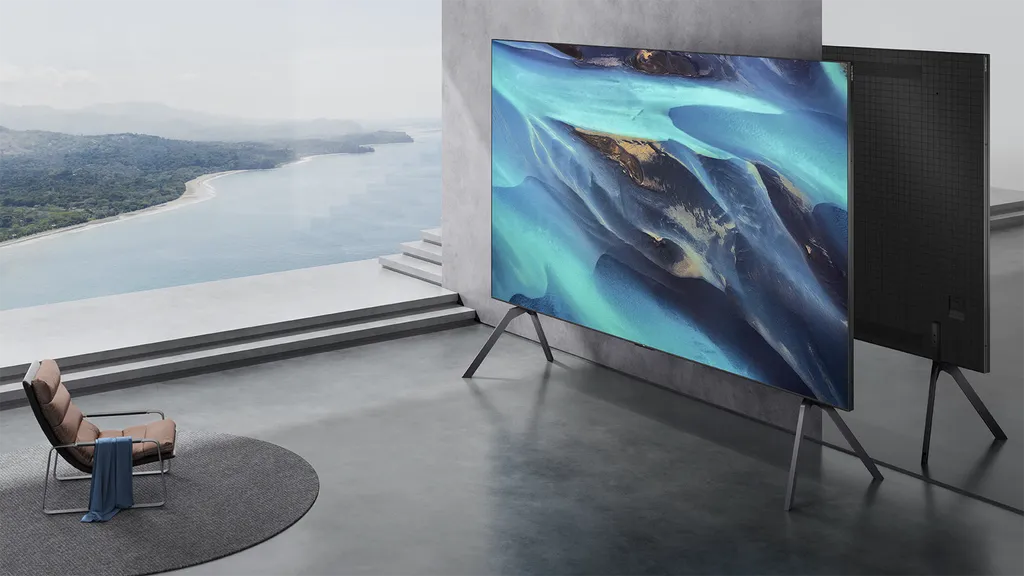
There it is again: another press image of a giant TV, perched in a lofty apartment, whose owner probably spends more time on the balcony admiring the view than streaming shows in their living room.
I get it—these images are aspirational. The tech is too. But 8K TVs have always felt like a distant dream. With 7680 x 4320 pixels, nearly 25 million more than 4K Ultra-HD, these sets represent the peak of resolution and technological excellence.
Here’s the catch: you rarely notice the difference unless you’re sitting impossibly close to the screen. And that assumes the upscaling has done its job—or that you’re even watching true 8K content, which is almost nonexistent.
LG exits 8K: The end of an era

(Image credit: Future / Mike Lowe)
LG has now officially exited the 8K market, sending a clear signal of where the industry is heading. Honestly, I won’t miss it. Neither will anyone else—the TV and movie industries never fully backed 8K, given the huge costs and tiny consumer demand. 8K TVs account for only around 0.1% of the market.
Big changes are underway, though, and they matter more than resolution. Sony’s Bravia brand is now under TCL, while Chinese makers like TCL and Hisense are focusing on giant 4K TVs over 100 inches, packed with new technologies rather than more pixels.
Those huge TVs in glossy marketing shots aren’t about resolution anymore. The focus is on colour, brightness, and advanced backlighting—technologies that really impact viewing.
CES showcases future TV tech
(Image credit: Future / Mike Lowe)
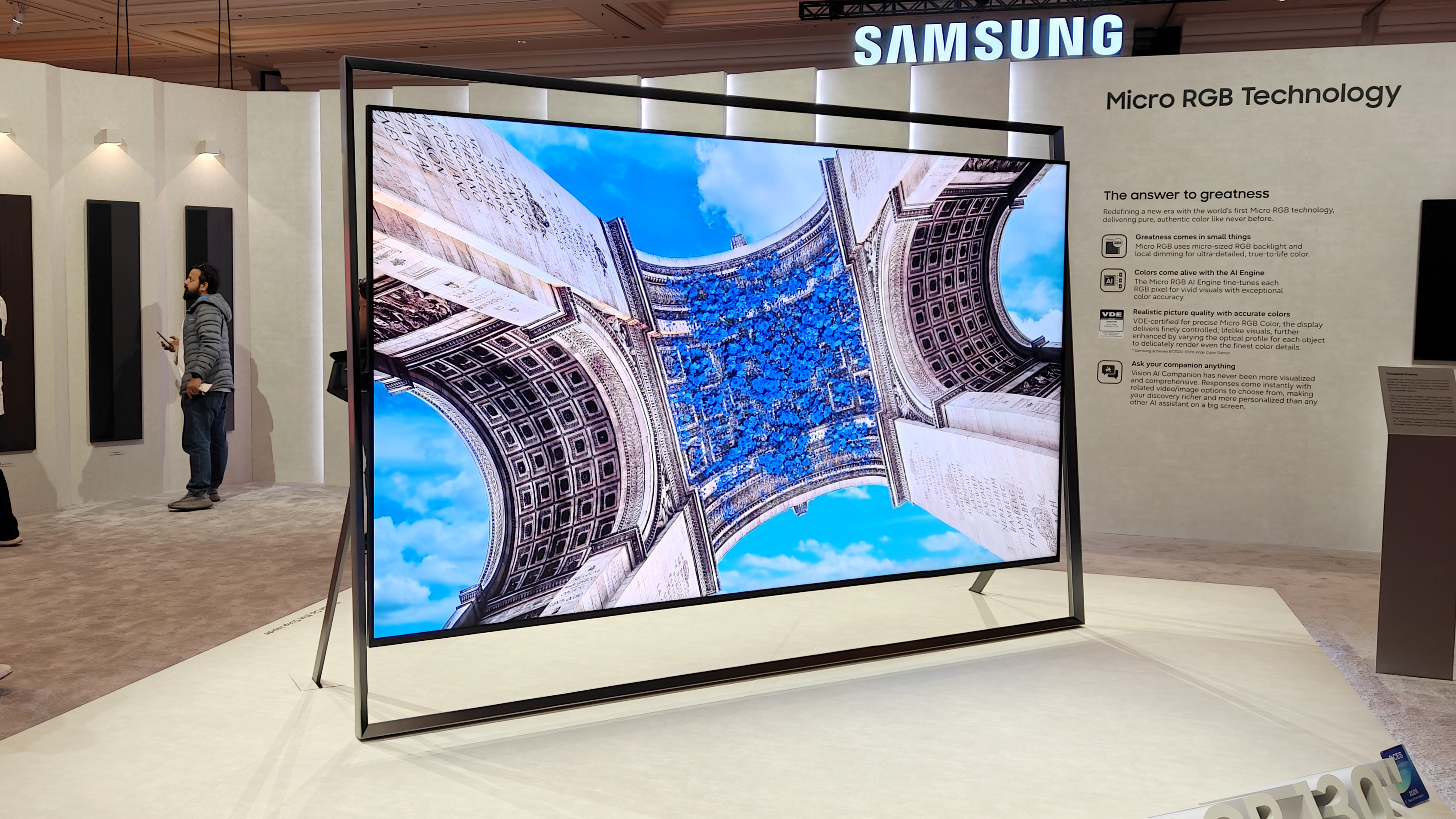
At CES 2026, the trend was clear: large-scale TVs are in vogue. Most viewers won’t rush out to buy a 100-inch beast, but as these backlight technologies trickle down to smaller models, everyday users will feel the benefit.
It’s not just OLED anymore. LG’s new G6 impressed, but TCL’s ‘Super Quantum Dot’ tech delivers the widest colour palette you’ve likely ever seen, and Samsung’s Micro-RGB sets showcase precision in colour and backlighting like never before.
New HDR formats are key – not resolution
(Image credit: Future / Mike Lowe)
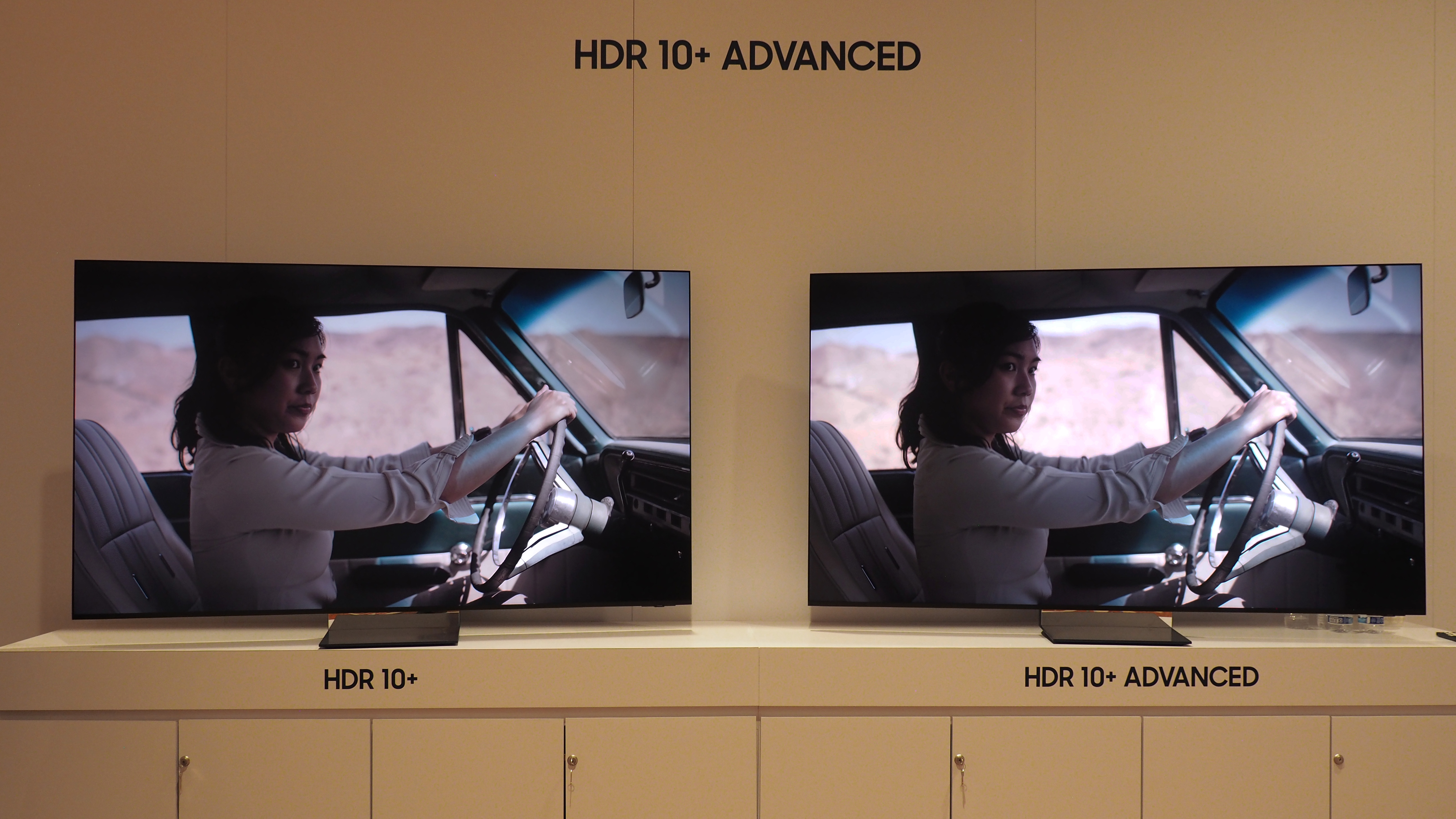
New HDR formats will make the biggest difference. Dolby Vision 2 and HDR10+ Advanced allow content to take full advantage of dynamic range, adapting visuals to your setup and environment. Resolution alone—like 8K—can’t compete with that kind of precision.
So I won’t lament 8K’s demise. I’m excited about the tech that’s really improving viewing experiences. Features like Samsung’s S95H finally offering more than four HDMI 2.1 ports matter more than pixel counts. That’s the kind of innovation that will make TVs better for everyone.