



































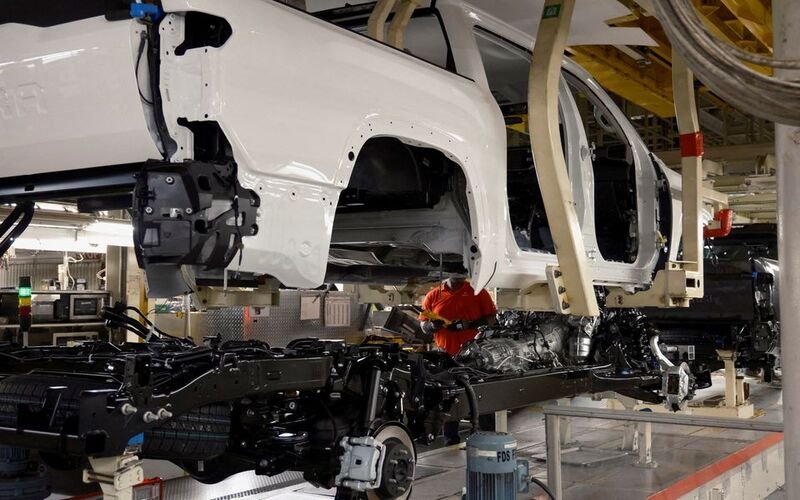
The proliferation of robots and automation, once seen as an unstoppable force reshaping industries, is facing a significant slowdown in the United States due to a combination of factors, including a weaker national economy and rising interest rates. This development highlights the intricate relationship between technology adoption and economic conditions. This article will delve into the details of this deceleration in the robot invasion and its broader implications.
The Robot Revolution
Integrating robots and automation into various industries has been a prominent theme in recent years. These technologies promised increased efficiency, reduced labor costs, and enhanced productivity across manufacturing, logistics, and even service sectors.
Economic Challenges
The U.S. economy has encountered headwinds, including supply chain disruptions, inflationary pressures, and geopolitical uncertainties. These factors have contributed to a more cautious approach by businesses, impacting their willingness to invest in expensive automation solutions.
Rising Interest Rates
The Federal Reserve’s decision to raise interest rates in response to inflation concerns has further dampened the appeal of capital-intensive investments, such as automation projects. Higher borrowing costs can erode the economic benefits of adopting new technologies.
Impact on Job Markets
The deceleration in robot adoption, while influenced by economic conditions, also has implications for job markets. Slower automation may temporarily reprieve certain job sectors, but it raises questions about long-term productivity and competitiveness.
Technology’s Resilience
The robot slowdown underscores the intricate relationship between technology adoption and economic factors. While the pace of adoption may fluctuate, technology’s role in reshaping industries remains resilient.
A Global Perspective
The robot slowdown is not unique to the U.S. and is mirrored in various parts of the world. Economic conditions, regulatory frameworks, and industry-specific challenges influence the trajectory of automation in different regions.
Future Prospects
Adopting robots and automation may regain momentum as economic conditions evolve and stabilize. However, this episode highlights the need for a balanced approach, considering economic realities alongside technological advancements.
Conclusion
The deceleration in the robot invasion in the U.S. reminds us of the complex interplay between technology and economic conditions. While robots and automation remain transformative forces, their trajectory can be influenced by various external factors. As businesses and policymakers navigate these dynamics, finding the right balance between technological innovation and economic sustainability will be crucial in shaping the future of industries and labor markets.