




































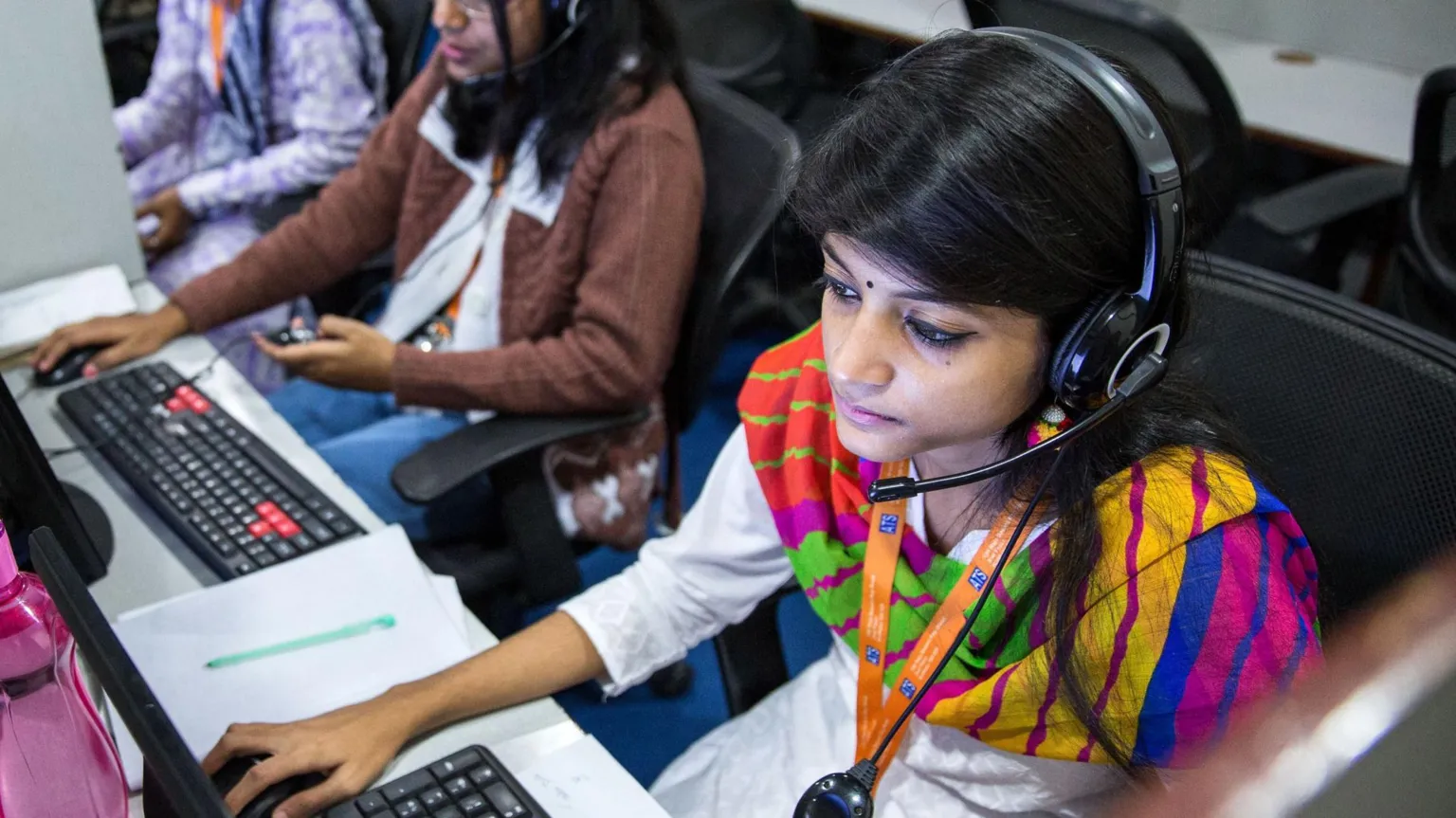
India’s $300bn outsourcing industry is at a turning point as artificial intelligence begins to reshape the very services that made it globally dominant. For decades, IT giants handled back-office work like software maintenance, debugging, and data processing for global clients—but tools like Anthropic’s Claude are now automating many of these routine tasks, triggering fears that the traditional model could weaken.
The impact is already visible in financial markets. The Nifty IT index, which tracks major Indian tech firms, has dropped sharply amid concerns that AI could erode demand for labour-heavy services. Analysts warn that core revenue streams—especially application maintenance, which can account for up to 45% of earnings—may shrink as companies shift toward fewer, higher-value consulting and AI implementation projects.
There are also serious concerns about jobs. Some industry leaders predict that up to 50% of entry-level white-collar roles could disappear, particularly positions like testers and junior developers. However, companies such as Infosys argue the picture is more complex: while AI could displace millions of roles, it is also expected to create new ones in areas like AI engineering, data annotation, and system design.
Major financial institutions like JPMorgan Chase and HSBC take a more balanced view. They believe AI won’t replace outsourcing firms entirely but will instead push them to evolve. These firms may become key partners in helping global businesses adopt AI, modernise legacy systems, and manage complex enterprise software that AI alone cannot yet handle reliably.
Still, the transition won’t be smooth. AI-related revenue remains a small fraction of the industry’s total earnings, and growth has slowed significantly compared to previous decades. Hiring is expected to remain weak, and additional pressures—like rising US visa costs—are increasing operational expenses for Indian firms.
In short, India’s outsourcing industry is unlikely to disappear, but it will look very different. The old model of large-scale, low-cost labour is fading, and survival will depend on how quickly companies can reposition themselves as high-skill, AI-driven technology partners rather than just service providers.