


















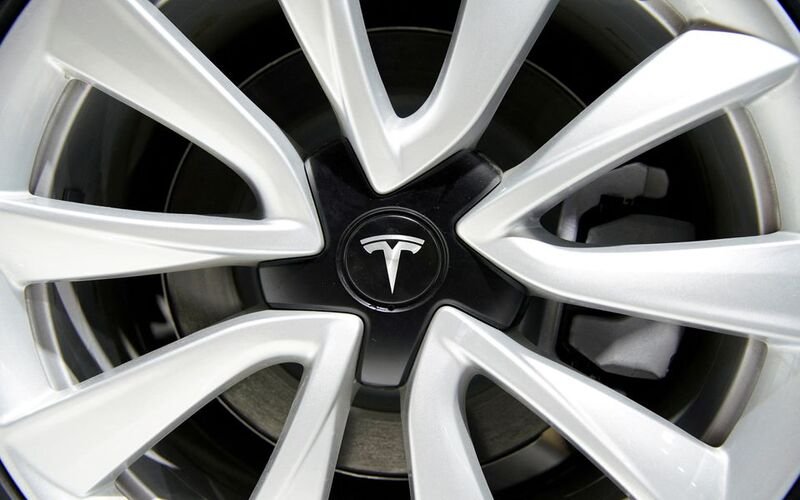
On August 3rd, 2023, Tesla, the electric vehicle (EV) manufacturer, was embroiled in a class-action lawsuit in California over its EV range claims. The legal action alleges discrepancies between Tesla’s advertised range figures and the actual range experienced by some consumers, raising concerns about transparency and accuracy in the EV industry.
The Class Action Lawsuit
The class-action lawsuit filed in California represents a group of consumers who claim that Tesla’s advertised EV range figures do not align with the actual performance of their vehicles. The lawsuit seeks to address alleged misrepresentations and seeks compensation for affected consumers.
Implications for Consumer Trust
Accurate range claims are crucial for consumers considering EV purchases, as the advertised range directly impacts the vehicle’s usability and travel convenience. The class-action lawsuit raises questions about consumer trust and the importance of transparent and reliable information in the EV market.
EV Range Challenges
Various factors can influence EV range estimation, including driving conditions, temperature, battery health, and driving habits. Accurately predicting the range for every scenario is a complex challenge faced by all EV manufacturers, and addressing such complexities is vital for ensuring consumer satisfaction.
Tesla’s Response
As the class-action lawsuit unfolds, Tesla’s response and approach to addressing the concerns raised will be closely scrutinized. The company’s reputation for innovation and customer satisfaction puts a spotlight on how it navigates this legal challenge.
The Wider Impact
The class-action lawsuit may have implications beyond Tesla, influencing the broader EV industry’s practices in communicating range claims. Standardizing and improving range estimation methodologies could become a focal point for automakers to instill greater confidence in potential EV buyers.
Promoting Transparency
To maintain consumer trust and foster the growth of the EV market, automakers should prioritize transparency in range claims. Clear communication of the factors affecting range and offering real-world performance data can help manage consumer expectations and build confidence in EV technology.
Battery Technology Advancements
Advancements in battery technology can play a crucial role in addressing range estimation challenges. Continued battery research and development progress can improve range accuracy and overall EV performance.
Resolving Disputes Amicably
Focusing on an amicable resolution may benefit all parties involved as the class-action lawsuit progresses. If warranted, addressing consumer concerns and offering appropriate remedies can help build positive relationships between companies and their customers.
Conclusion
The class-action lawsuit against Tesla over its EV range claims highlights the importance of accuracy, transparency, and consumer trust in the EV industry. As the lawsuit unfolds, Tesla’s response and the wider implications for the EV market will be closely monitored. The EV industry’s commitment to improving range estimation methodologies and promoting transparency can ensure electric vehicles’ continued growth and adoption as a sustainable and environmentally friendly transportation solution.