
























Meta has introduced the Ray-Ban Meta Gen 3, the latest version of its popular AI-powered smart glasses. While the new model retains the familiar Ray-Ban styling, Meta has made several hardware and software upgrades, including longer battery life, additional microphones, new frame designs and expanded AI capabilities.
The Gen 3 starts at $449, making it more expensive than previous models. Ray-Ban’s current US lineup confirms the $449 starting price for standard Gen 3 Wayfarer, Aviator and Zena models, with pricing increasing for options such as polarized and Transitions lenses.
Longer Battery Life and Improved Audio
One of the biggest hardware changes is the improved battery. Meta says the Ray-Ban Meta Gen 3 can run for up to nine hours on a single charge, while the charging case provides up to 50 hours of additional power.
The glasses also now use a six-microphone array, compared with five microphones on the previous generation. Ray-Ban says the redesigned microphone system improves communication and wind-noise reduction, which could benefit phone calls and interactions with Meta AI.
Meta has also announced support for Dolby Atmos spatial audio, although that feature is expected to arrive later through a software update.
New Frames and a Smaller Design
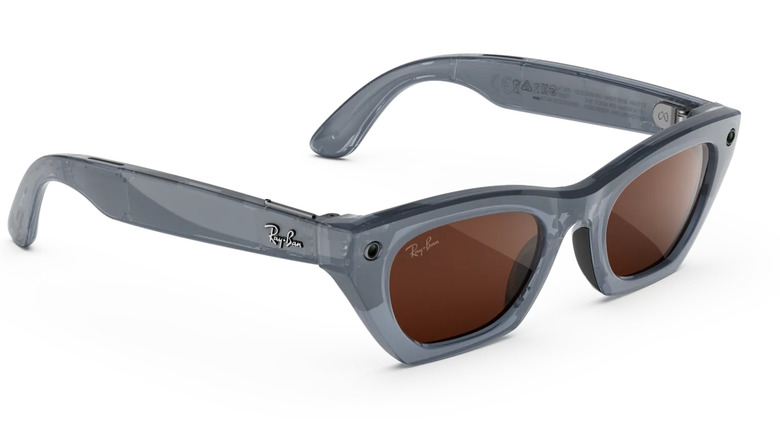
The Gen 3 introduces additional frame options, including Aviator and Zena designs, while the familiar Wayfarer shape remains available. Ray-Ban currently lists Gen 3 versions of all three styles, including prescription-ready options.
The new glasses are also slightly slimmer than their predecessors. The smaller construction is accompanied by a redesigned camera opening that Ray-Ban says is 36% smaller, making the technology less visually prominent on the frame.
Despite the smaller dimensions, the Gen 3 is marginally heavier than the previous Wayfarer generation, although the difference is unlikely to be noticeable during everyday use.
A New Action Button
Another change is the addition of an assignable action button. Users can configure the button for functions such as activating Meta AI or capturing photos and videos.
This gives the Gen 3 more flexibility than the previous capture-button setup, while allowing frequently used functions to be accessed without relying entirely on voice commands.
The glasses continue to include cameras, open-ear speakers and Meta AI features that allow users to ask questions, identify objects, translate signs, listen to music and capture photos or video hands-free.
Many New Features Are Coming to Gen 2
One factor that could make upgrading less compelling for existing owners is that several of Meta’s new software features are also coming to older Ray-Ban Meta models.
Features such as improved AI interactions and new camera functionality are largely tied to software rather than exclusive Gen 3 hardware. This means Gen 2 owners may still gain access to some of the newer experiences without purchasing the latest glasses.
The Gen 3 does, however, offer hardware improvements that Gen 2 cannot replicate, particularly its longer battery life, six-microphone system, updated frame designs and new action button.
Is the Gen 3 Worth the Higher Price?
At $449, the Ray-Ban Meta Gen 3 represents a significant investment for anyone entering Meta’s smart-glasses ecosystem. The hardware improvements are relatively incremental, while many of the software features are expected to reach previous-generation models.
For new buyers, the Gen 3 provides Meta’s latest hardware, longer battery life and more frame choices. Existing Gen 2 owners, however, may have fewer reasons to upgrade unless the improved battery, microphones or new designs are particularly important to them.
The Gen 3 ultimately represents an evolution rather than a complete redesign of Meta’s Ray-Ban smart glasses, keeping the same camera-and-audio concept while making targeted improvements to the hardware and AI experience.