































A gaming platform can offer thousands of games and a polished mobile experience, but those features matter little if customers struggle to fund their accounts or withdraw money.
That is why Nigeria’s payments infrastructure has become increasingly important to the country’s growing online gaming economy.
The Central Bank of Nigeria (CBN) recorded 5.63 billion NIBSS Instant Payment transactions worth ₦476.89 trillion in the first half of 2024, representing increases of 16% in volume and 39% in value from the previous six months. Mobile-payment transactions also rose 19% in volume and 30% in value during the same period.
Online gaming platforms operate within the same digital payments environment as e-commerce, food delivery, streaming and other internet-based services. As consumers become increasingly accustomed to transferring money through banking apps and other digital channels, their expectations for online gaming platforms are changing too.
For operators, reliable payment infrastructure affects everything from deposits and account funding to withdrawal speed. For customers, it creates a simple expectation: digital transactions should be fast, familiar and dependable.
The smartphone is becoming the new betting shop
The traditional betting shop provided the physical infrastructure customers needed to participate. Smartphones have moved much of that infrastructure into the hands of consumers.
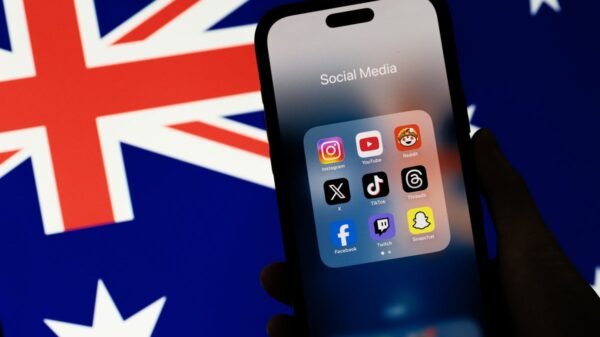
A user can now check odds, place a wager, follow an event and manage an account without visiting a physical outlet. Casino products have followed the same path, with slots, roulette, blackjack and live-dealer games increasingly available through websites and mobile applications.
Nigeria’s broader digital economy provides an important foundation for this shift. The CBN says the country’s payment system is increasingly built around interoperability, security, inclusion, innovation and trust, with its Payments System Vision 2028 designed to strengthen the country’s digital payments ecosystem.
This does not mean physical gaming outlets have disappeared. Rather, consumers now have more ways to participate, creating a more competitive environment for operators.
Competition is moving beyond odds and bonuses
For years, competition among betting platforms could largely be reduced to familiar factors such as odds, promotions and advertising.
The digital market is more complicated.
Customers can compare platforms based on payment options, withdrawal times, mobile experience, customer service, available games and their overall reputation. Two operators may offer similar products but provide very different experiences.
One may support the payment method a customer already uses. Another may offer a larger selection of games or a simpler interface. A third may provide faster withdrawals or more responsive customer support.
This means competition is increasingly about the entire customer journey rather than promotional offers alone.
As the number of online platforms grows, independent comparison and information services can also become more relevant, helping consumers examine factors such as licensing, payment options, available games and platform features before making decisions.
Fintech is raising customer expectations
The influence of fintech on gaming goes beyond simply providing payment rails. It is also changing what consumers consider normal.
People who regularly transfer money through banking apps or digital wallets are increasingly accustomed to transactions happening quickly and with minimal friction. They may therefore expect similar convenience when using an online gaming platform.
Questions such as How quickly can I fund my account? Which payment methods are supported? How long will a withdrawal take? have become part of the digital customer experience.
Nigeria’s payment infrastructure continues to evolve around these expectations. The CBN’s current payments strategy places particular emphasis on security, consumer protection, interoperability and resilience, while recent measures have strengthened requirements around fraud monitoring and identity verification.
For gaming operators, this creates both opportunities and responsibilities. Better payment infrastructure can make platforms easier to use, but it also increases the importance of security, fraud prevention and regulatory compliance.
Regulation will shape the next phase
Technology can make gaming more accessible, but accessibility does not remove the need for regulation.
For operators, a convenient website and multiple payment options are only part of the equation. Licensing, age restrictions, responsible gaming measures, consumer protection, financial controls and compliance remain important considerations.
The growing integration between gaming and digital payments makes this even more significant. Operators are handling financial transactions and personal information at scale, creating a need for systems that can verify identities, detect suspicious activity and protect customers.
The CBN has continued to strengthen its broader payments oversight, including requirements around fraud monitoring, identity verification and consumer protection across the financial system.
For consumers, this makes it important to look beyond advertising and promotional offers when assessing an online platform.

The next phase may be about trust
Nigeria’s fintech experience shows that digital adoption is only part of the equation. Trust in the infrastructure supporting those transactions matters just as much.
The CBN’s 2026 fintech report describes Nigeria as one of Africa’s leading fintech ecosystems, while identifying infrastructure, regulation and trust as important areas for the next stage of development.
Those priorities extend beyond banking. Any industry processing large volumes of digital transactions—including online gaming—must address payment reliability, identity verification, fraud prevention, data protection and consumer confidence.
As more gaming activity moves online, operators will increasingly need to demonstrate that convenience does not come at the expense of security or responsible practices.
What this means for Nigeria’s gaming industry
The opportunity for Nigeria may extend beyond the growth of betting and casino platforms themselves.
An entire technology ecosystem is developing around digital gaming: payment processors, fintech companies, software developers, cybersecurity firms, identity-verification providers, data companies and compliance technology businesses all have potential roles to play.
That creates an opportunity for Nigerian technology companies to participate in the gaming economy without necessarily becoming gaming operators.
The larger question is whether Nigeria can build more of the technology supporting the industry rather than primarily becoming a consumer market for platforms developed elsewhere.
Nigeria already has a large digital consumer base and an increasingly sophisticated payments ecosystem. Connecting those strengths with gaming technology, compliance infrastructure and responsible innovation could create opportunities that extend beyond betting itself.
The gaming economy is becoming a technology story
Nigeria’s gaming economy is no longer only about betting shops and football. It is increasingly a story about smartphones, payments, software, data, regulation and consumer behaviour.
Fintech has helped reduce some of the friction between consumers and digital platforms, while mobile technology has made gaming services more accessible. At the same time, stronger regulatory expectations and increasingly demanding consumers are placing greater emphasis on security, reliability and trust.
The next stage of the industry’s development will therefore depend on more than the number of people using betting or casino platforms.
It will also depend on whether the wider ecosystem can provide reliable payments, secure technology, effective regulation, responsible gaming practices and the consumer trust needed to sustain digital growth.
For Nigeria, the gaming economy offers another example of how fintech and technology are increasingly becoming part of the same digital ecosystem.