




















For years, GrapheneOS users have largely had one hardware option: Google Pixel phones. That is now beginning to change.
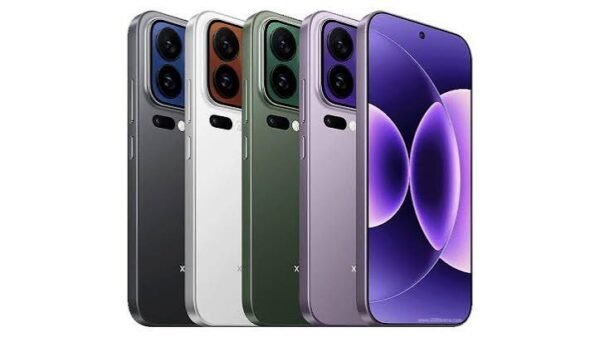
GrapheneOS has officially confirmed that the Motorola Signature 27 will be the first non-Pixel smartphone to support the privacy-focused Android operating system, marking a major expansion for the project and its partnership with Motorola.
The confirmation came on September 22 after a user asked the official GrapheneOS account on X whether the newly launched Signature 27 would be supported. The project replied that it would be the “initial supported phone” and advised users to wait for further official information.
Why the Signature 27?
GrapheneOS has specific hardware and software requirements for officially supported devices. These include hardware-based memory tagging, secure-element integration and a long period of software and security support.
The Signature 27 appears to meet those requirements. Motorola’s new flagship uses Qualcomm’s Snapdragon 8 Elite Extreme Gen 6 and comes with a commitment of seven Android OS upgrades and up to seven years of security updates from its global launch.
The hardware requirements help explain why GrapheneOS support is beginning with a flagship rather than a more affordable Motorola model. The project has previously indicated that its first Motorola devices would need to provide the security capabilities and long-term support necessary to maintain official compatibility.
GrapheneOS will not necessarily come preinstalled
One important detail remains unresolved: whether customers will be able to purchase the Signature 27 with GrapheneOS already installed.
The current confirmation only establishes official support for the device. GrapheneOS has previously said that phones sold with the operating system preinstalled are planned, but that the details still need to be worked out.
That means users should not assume that the Signature 27 will ship with GrapheneOS from the factory. The exact installation process and timing have yet to be announced.
Motorola itself currently says the Signature 27 is expected to reach markets worldwide in 2026, with additional availability details to follow.
A significant change for GrapheneOS
The Motorola partnership comes at an important point for GrapheneOS.
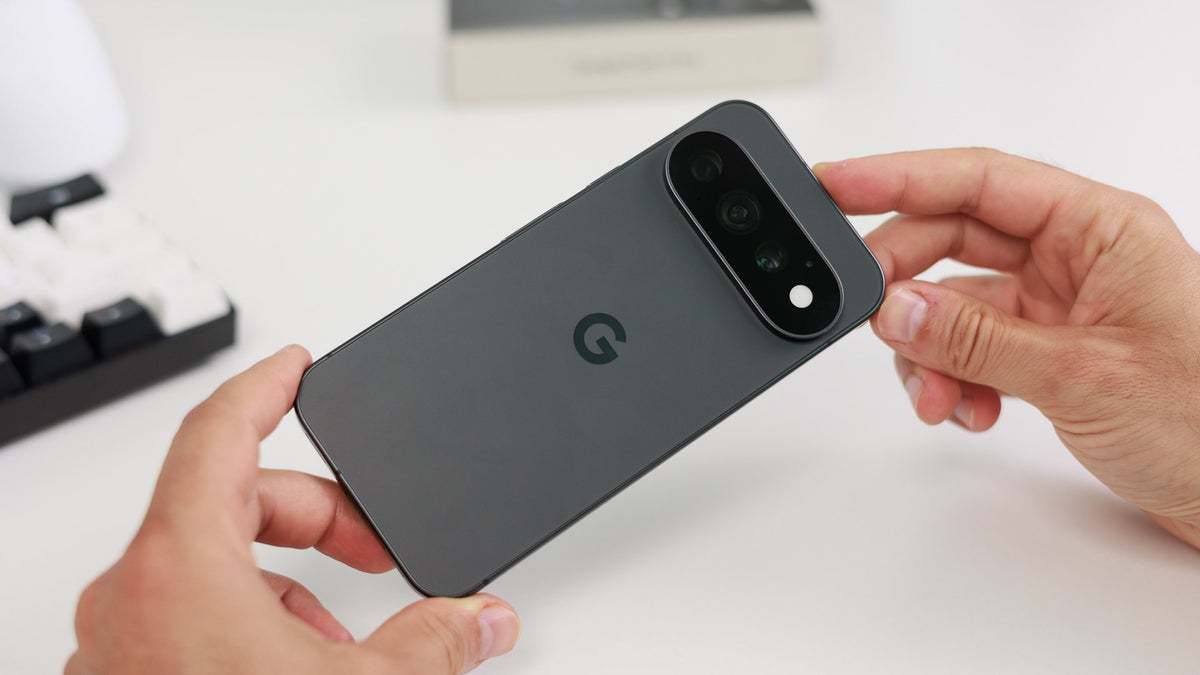
The project has historically depended heavily on Google Pixel hardware because Pixel devices provided the combination of security features, hardware support and long-term software updates required for official compatibility.
Moving to Motorola gives GrapheneOS another hardware platform and reduces the project’s reliance on a single smartphone manufacturer.
The timing is also notable because GrapheneOS has raised concerns about some recent changes affecting Google’s Pixel hardware and Android ecosystem. The project has discussed issues surrounding memory-tagging support on newer Pixel hardware as well as access to certain Android APIs and security-related components. Those claims reflect GrapheneOS’s position and criticism of Google’s platform decisions rather than an independent finding.
More Motorola phones are expected
The Signature 27 is not expected to remain the only Motorola device supported by GrapheneOS.
The project has previously indicated that its Motorola rollout would begin with conventional flagship smartphones before expanding to additional devices, including future Motorola models.
That could eventually bring GrapheneOS to a wider selection of Motorola hardware, giving users more choices beyond Google’s Pixel range.
For now, however, the Motorola Signature 27 is the first confirmed non-Pixel smartphone in the GrapheneOS ecosystem.
The next major details to watch are when official GrapheneOS support becomes available, how the installation process will work and whether Motorola eventually offers devices with the operating system preinstalled.