













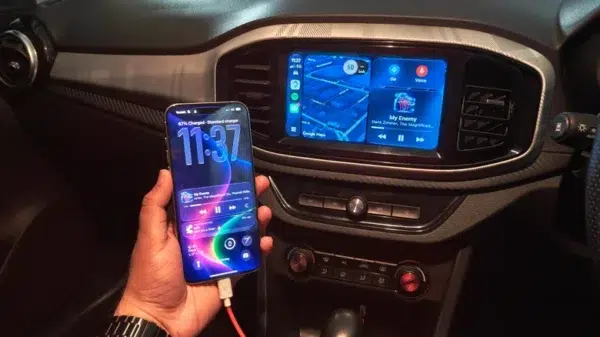










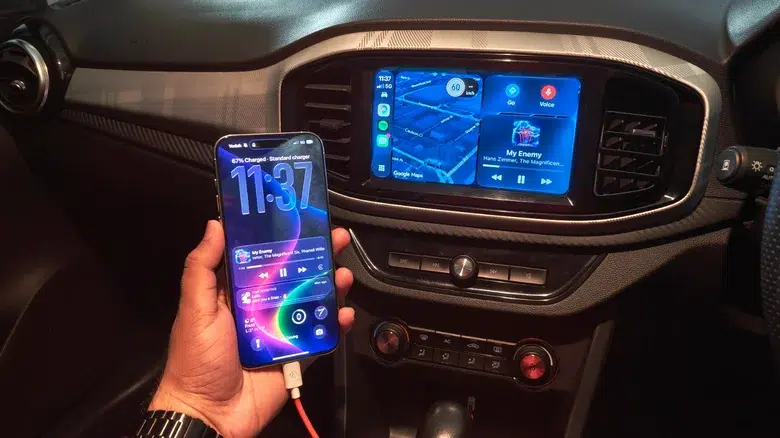
Apple CarPlay has become an essential feature for many iPhone users who spend time behind the wheel. Introduced in 2014, the system lets drivers access navigation, messages, music and other apps through their vehicle’s infotainment display, offering a more convenient way to stay connected without constantly handling their phones.
CarPlay is supported by numerous automakers, including Ford, Hyundai, BMW and Honda, and works with iPhones dating back to the iPhone 5.
There are two main ways to connect: using a USB cable or connecting wirelessly. Both provide access to the same core features, including calls, navigation, music and Siri. However, each option has advantages that could make it better suited to your driving habits.
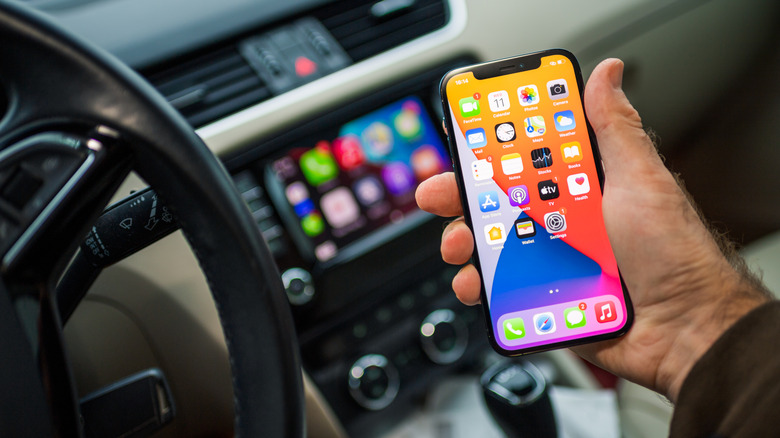
Why Wired Apple CarPlay Still Makes Sense
Although wireless CarPlay offers convenience, a cable connection can be more dependable in certain situations.
1. More reliable connectivity
Wireless connections can occasionally drop or experience pairing problems, depending on the vehicle’s infotainment system. Losing navigation or music during a journey can be frustrating, particularly when driving through unfamiliar areas.
Wired CarPlay avoids many of these wireless connectivity issues. Simply connect your iPhone with a compatible USB cable, and you can get started without troubleshooting Bluetooth settings.
2. Fewer pairing headaches
Vehicles with wireless CarPlay often support multiple paired iPhones, which is useful when several people share a car. However, the system may connect to the wrong device when more than one paired phone is nearby.
Switching back to your preferred iPhone can require navigating the vehicle’s Bluetooth settings. Connecting through USB helps avoid this problem by prioritizing the device plugged into the car.
3. Charging while you drive
A wired connection can also charge your iPhone while CarPlay is running, helping preserve battery life during long commutes and road trips.
This is particularly useful for older phones whose batteries no longer last as long as they once did. Wireless CarPlay, by comparison, can drain your phone’s battery unless you use a separate wireless charger.
4. Potentially better audio and lower latency
A wired connection may offer better audio quality, particularly for listeners using music services that support lossless audio. It can also reduce connection-related latency when skipping tracks or interacting with Siri.
For drivers who prioritize a stable connection, battery charging and audio performance, wired CarPlay remains a compelling option.
Wireless CarPlay: Convenience Without the Cable
Wireless CarPlay eliminates the need to plug in your iPhone every time you enter the vehicle. Once configured, your phone can connect automatically when you start the car.
That convenience makes wireless CarPlay particularly appealing for short trips, frequent stops and everyday commuting. You can leave your phone in your pocket or a storage compartment rather than dealing with cables.
Wireless connectivity can also make it easier for passengers to interact with music playback without having to pass a physically connected phone around.
However, wireless CarPlay is not entirely free of drawbacks. Connection interruptions, automatic pairing with the wrong device and additional battery consumption can occasionally detract from the experience.
Which One Should You Choose?
The best option depends on what matters most to you.
- Choose wired CarPlay if you want a dependable connection, charging while driving and potentially better audio performance.
- Choose wireless CarPlay if you value convenience, dislike cables and frequently make short journeys.
- Use both when available if your vehicle supports both connection methods. Wireless is convenient for everyday use, while a cable can be useful when troubleshooting connection problems or preserving battery life.
Ultimately, neither option changes CarPlay’s core features. The difference comes down to how your iPhone connects to your vehicle and which trade-offs matter most.
For most drivers, wireless CarPlay offers the easiest everyday experience. But if reliability and charging are your priorities, plugging in remains a practical choice.