
























T-Mobile has dismissed the possibility of partnering with SpaceX’s Starlink Mobile, with CEO Srini Gopalan arguing that satellite connectivity is less effective than the fixed wireless technology the carrier already operates.
SpaceX recently announced plans to develop what it calls “the world’s most advanced mobile network” using its Starlink satellite constellation. But building a competitive mobile service will require more than satellites. The company also needs ground-based infrastructure and sufficient wireless spectrum.
One potential way to fill those gaps was to operate as a mobile virtual network operator (MVNO), partnering with an established carrier such as T-Mobile, Verizon or AT&T to access its network infrastructure.
However, all three major US carriers have reportedly rejected the proposal. Gopalan made T-Mobile’s position particularly clear during an earnings call, describing satellite connectivity as “an inferior version of FWA” with additional limitations, including constraints on beam size.
T-Mobile Prefers Fixed Wireless Access
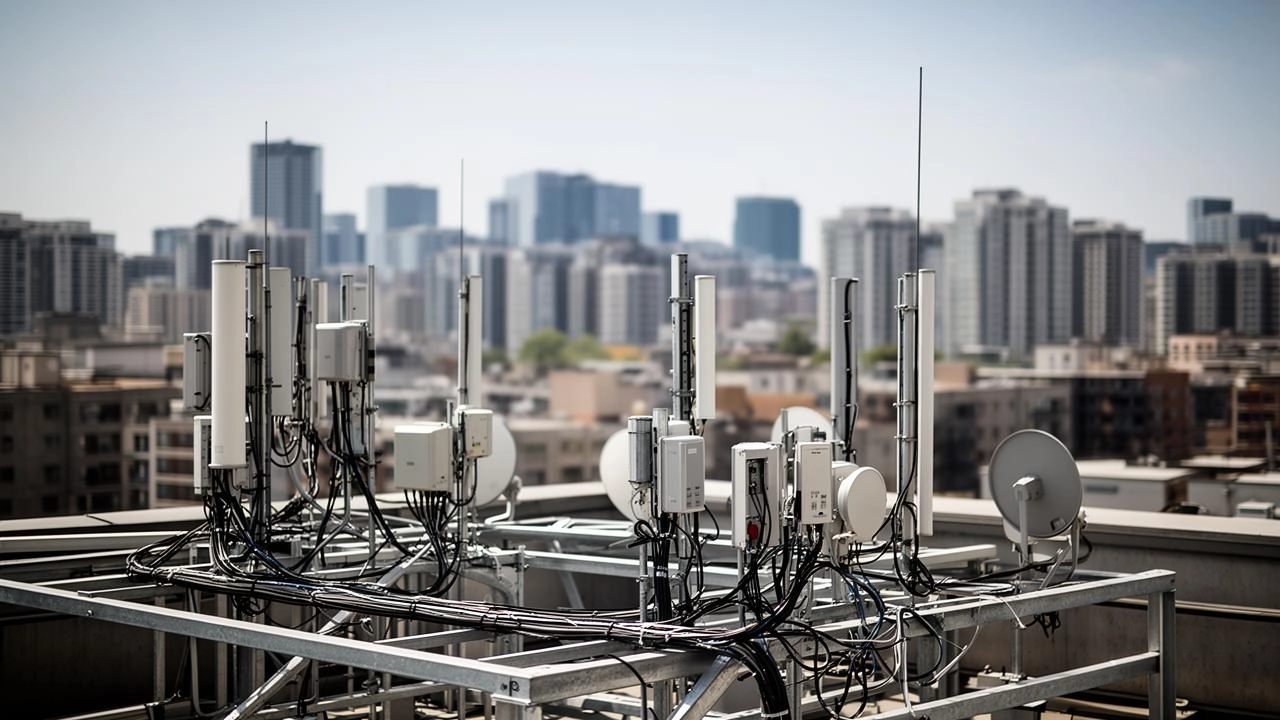
Fixed wireless access (FWA) delivers broadband to homes and other locations through a wireless connection, typically using a 4G or 5G signal and a router instead of fibre-optic cables.
The technology is especially useful in rural and underserved areas where traditional broadband infrastructure can be difficult to install. It is also used in cities, giving carriers another way to expand broadband services without laying fibre.
Gopalan’s comments suggest that T-Mobile believes FWA can meet connectivity needs in many areas where satellite broadband might otherwise be considered.
He also highlighted the continued growth potential of the company’s FWA business. According to the CEO, two-thirds of T-Mobile’s FWA customers come from densely populated urban areas.
“We see huge growth opportunities in those areas still, all under the fallow capacity model. So we don’t really see a synergistic opportunity with satellite providers,” he said.
In other words, T-Mobile does not currently see a strong business case for sharing its network with a satellite operator.
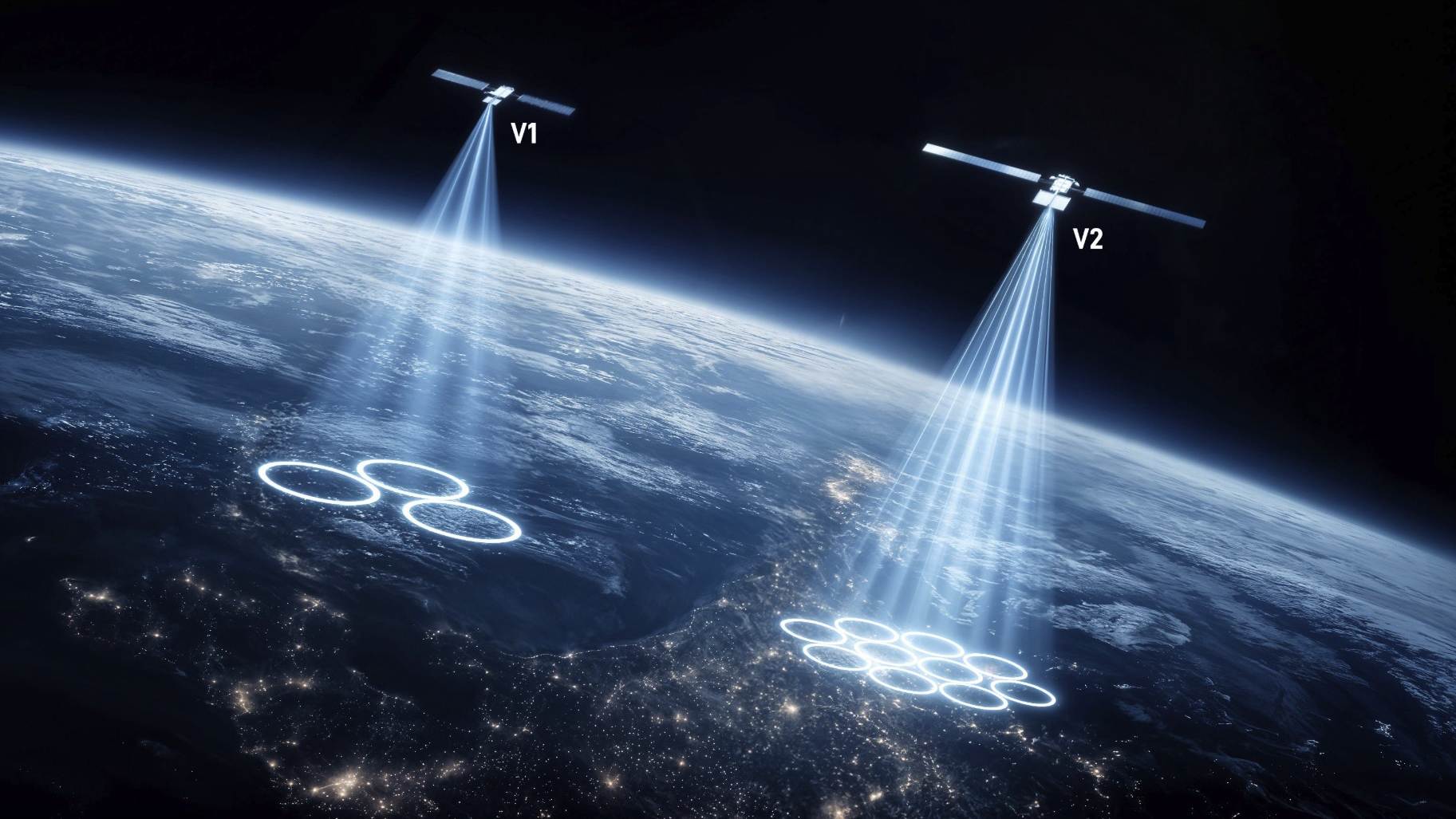
(Image credit: SpaceX)
SpaceX Still Has Ambitious Plans
The rejection could complicate SpaceX’s plans for Starlink Mobile, particularly if the company has to rely primarily on its own satellite network in the near term.
Nevertheless, SpaceX is pursuing a substantial infrastructure expansion. Its reported plans include launching 15,000 additional satellites, leasing 80,000 cell tower sites and potentially installing cellular base stations on existing Starlink dishes.
Those developments could eventually help the company build a viable mobile network and become a more direct competitor to the established US carriers.
For now, however, T-Mobile is not interested in joining forces. Its CEO believes fixed wireless offers a more practical option, leaving SpaceX to develop the infrastructure it needs to make Starlink Mobile a serious contender.