




































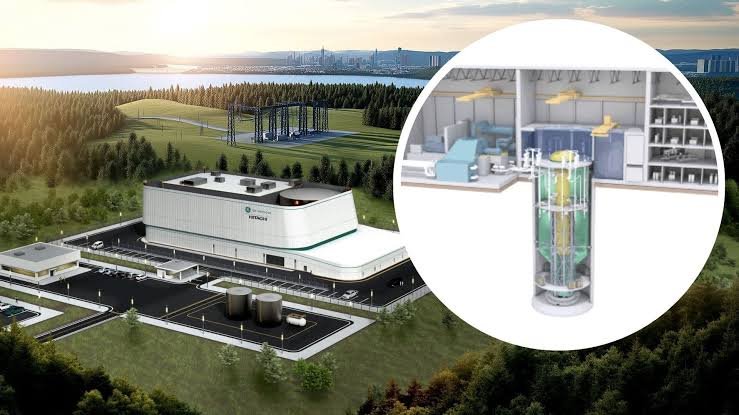
US regulators have approved construction of a 300MW small modular reactor (SMR) at the Tennessee Valley Authority’s (TVA) Clinch River site, marking a significant step toward using nuclear power to meet rising electricity demand from data centers and artificial intelligence infrastructure.
The US Nuclear Regulatory Commission completed a 14-month review of TVA’s proposal to build GE Vernova Hitachi’s BWRX-300 reactor. TVA can now begin construction, although another regulatory approval will be required before the reactor can be loaded with nuclear fuel or begin generating electricity.
TVA is considering building as many as four BWRX-300 units at the Tennessee site, although a construction schedule for additional reactors has not yet been determined.
The BWRX-300 uses boiling-water reactor technology and is designed to simplify nuclear construction through a smaller footprint, fewer components and greater use of factory-manufactured equipment. Its safety systems also rely on features such as gravity, pressure and stored water to maintain certain conditions without external power.
At 300MW, each reactor would produce roughly one-quarter of the capacity of the newer reactors at Georgia’s Vogtle nuclear plant.
“This construction permit is more than a regulatory achievement — it’s foundational for America’s nuclear future,” said Mike Skaggs, TVA’s interim president.
Growing Interest in Nuclear Power for Data Centers
The approval comes as utilities and technology companies search for reliable electricity sources capable of operating continuously as AI workloads drive demand across power grids.
Unlike intermittent renewable sources, nuclear plants can provide steady electricity regardless of weather conditions. However, high construction costs, regulatory requirements and long development timelines remain significant challenges.
The BWRX-300 is attracting interest beyond the United States. In the UK, SGE has proposed deploying as many as 14 units across three sites under the country’s Advanced Nuclear Framework. The full programme could require approximately £35 billion, or around $46.5 billion, if approved and completed.
Canada is also pursuing the technology, with Ontario Power Generation developing its first BWRX-300 unit and preparing its construction programme.
In Texas, Blue Energy has applied for permission to develop BWRX-300 reactors intended to supply electricity directly to data center facilities.
Developers are hoping that using a standardized reactor design across multiple projects will improve manufacturing, procurement and construction efficiency.
Whether those advantages can translate into lower costs and faster delivery remains uncertain. Large nuclear projects in the US have faced significant delays and cost overruns in recent years.
TVA’s Clinch River project could therefore become an important test of whether smaller, standardized nuclear reactors can provide dependable power to some of the world’s largest electricity users without repeating the difficulties associated with conventional nuclear construction.