

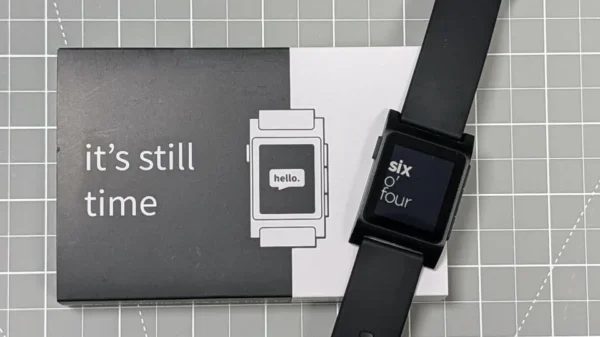


























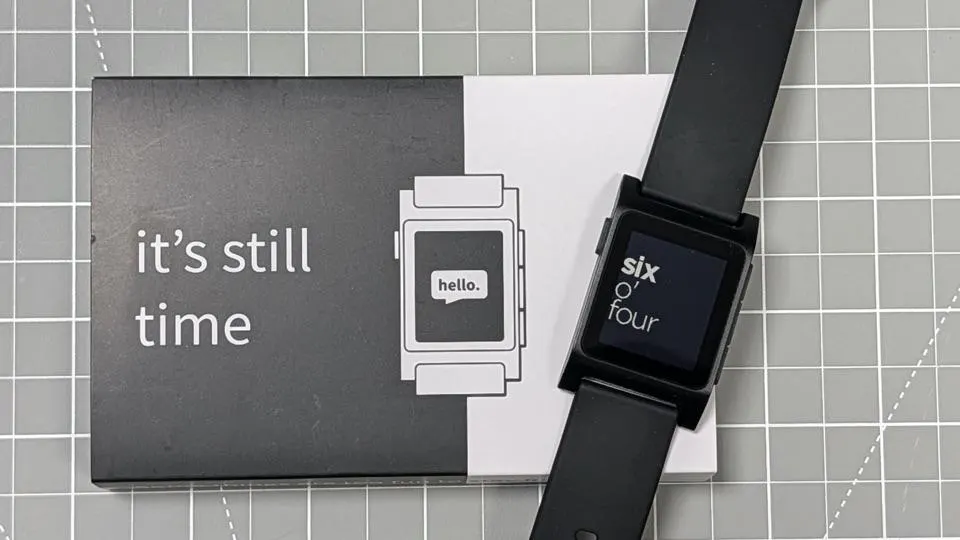
Pebble is introducing plug-in support for developers, paving the way for smarter apps, more versatile watch faces, and a more customizable smartwatch experience.
Pebble is taking another major step toward rebuilding its smartwatch ecosystem with the introduction of plug-in support for its Pebble OS platform. The update is expected to give developers greater flexibility in creating apps and watch faces, potentially making the brand’s devices more useful and adaptable.
Announced by Pebble founder Eric Migicovsky, the feature has been described as “the biggest change to the SDK since… forever.” According to the announcement, plug-ins are now available in a developer preview, although a full public release date has yet to be confirmed.
The new system will allow developers to integrate ready-made features into their applications rather than building every function from scratch. Potential uses include checking weather conditions, controlling music playback, managing smart home lighting, and interacting with artificial intelligence assistants.
Migicovsky compares the plug-ins to Apple Watch complications but says Pebble’s implementation offers greater flexibility. As developers begin experimenting with the technology, users could soon see more capable third-party applications and increasingly interactive watch faces.
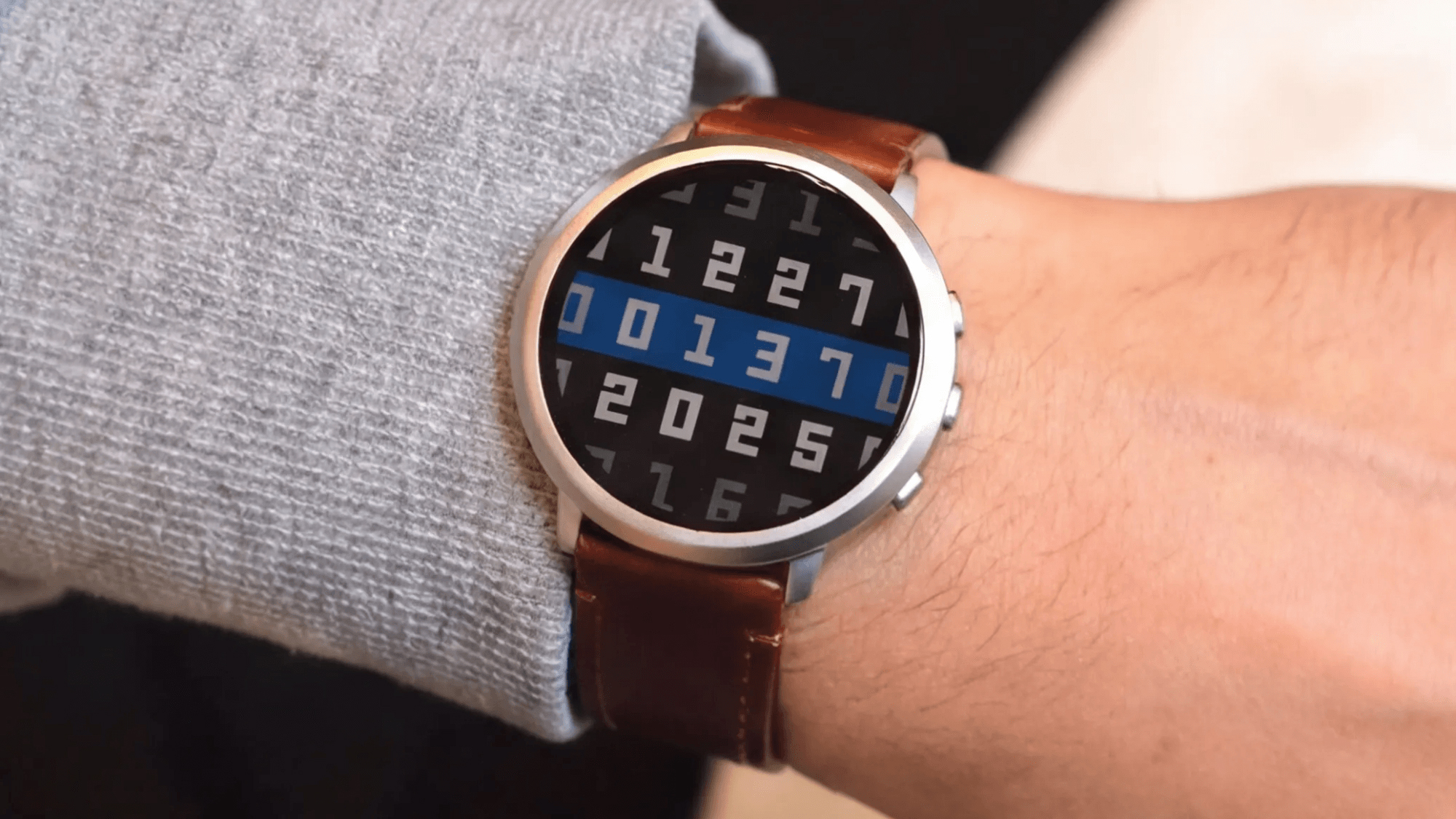
Pebble’s Comeback Gains Momentum
Pebble has experienced its share of challenges since first entering the smartwatch market in 2013. Nevertheless, the brand has maintained a loyal following among technology enthusiasts who appreciate independent hardware companies, open customization, and devices that offer alternatives to mainstream platforms.
Its return in 2025 generated renewed interest, and the latest software development suggests that the company is working to strengthen its ecosystem rather than simply revive its hardware.
Plug-in support could bring several improvements, including more informative watch faces, easier-to-use applications, greater consistency across the platform, and better privacy controls. Users are also expected to have the ability to manage permissions for individual plug-ins, giving them more control over which features can access their information.
The technology could also simplify everyday tasks. Requests such as checking calendar appointments or unlocking a smart door could be handled through dedicated plug-ins, reducing the amount of work individual apps need to perform.
What This Means for Pebble Users
The introduction of plug-ins represents a significant development for Pebble OS, potentially making the platform more appealing to both developers and consumers. By providing reusable tools and a more flexible development environment, Pebble could encourage the creation of a wider range of applications and watch-face experiences.
Although the full rollout timeline remains unclear, the developer preview offers an early look at what may be possible as the ecosystem expands.
For a brand built around customization and simplicity, the update could be an important step toward regaining momentum in an increasingly competitive smartwatch market. If developers embrace the new capabilities, Pebble’s next chapter could deliver a more versatile and engaging experience for its users.