
































Bose’s acquisition of Skullcandy could reshape the affordable audio market, giving the budget-friendly brand greater access to Bose’s audio expertise, noise-cancellation technology and sound tuning.
Bose has acquired Skullcandy, a move that could make the popular audio brand’s headphones and earbuds significantly better, particularly at the budget and midrange ends of the market.
The two companies have already collaborated on audio products, with Bose contributing sound tuning and technology to selected Skullcandy devices. Now that the brands are under the same ownership, that partnership could expand to cover a much broader range of headphones, earbuds and speakers.
For consumers, the biggest potential benefit is access to Bose-inspired audio technology without having to pay the premium prices typically associated with Bose products.
What the acquisition could mean for Skullcandy
Bose is widely recognized for its audio engineering and active noise cancellation (ANC), while Skullcandy has built its reputation on stylish, accessible products aimed at everyday listeners, fitness enthusiasts and music fans.
The companies have already demonstrated what their collaboration can achieve. Products such as the Skullcandy Method 360 and Crusher 1080 have benefited from Bose’s involvement, while the Noise Master Buds Open have also showcased the partnership’s approach to audio.
With the acquisition, Bose could extend its expertise beyond Skullcandy’s higher-end products to more affordable headphones, wireless earbuds and portable speakers.
That would be particularly significant for consumers who want effective noise cancellation and carefully tuned sound but cannot justify spending heavily on premium headphones.
However, neither company’s future product plans are fully established by the acquisition alone. More widespread use of Bose technology is a promising possibility, not a guarantee that every future Skullcandy product will feature it.
Why Bose wants to expand its influence
Bose has spent years developing audio technologies that could be useful beyond its own product lineup. Partnering with other brands allows the company to bring its research to different audiences without having to make every type of audio product itself.
Speaking to TechRadar on September 30, Bose president of premium audio Raza Haider explained the company’s philosophy:
“Our products are a very small way of that research manifesting itself onto human beings in the world. The more places we can find for that technology to land, the more service we’re doing for the vision of the company.”
Haider also suggested that a single brand cannot effectively serve every consumer preference and product category.
That thinking helps explain the potential appeal of Skullcandy. Rather than relying exclusively on Bose-branded headphones, the company can reach consumers who prefer Skullcandy’s distinctive styling, bass-focused products and more accessible pricing.
The acquisition could therefore give Bose a broader presence in the audio market while allowing Skullcandy to benefit from a more substantial technology base.
Affordable earbuds could be the biggest winners
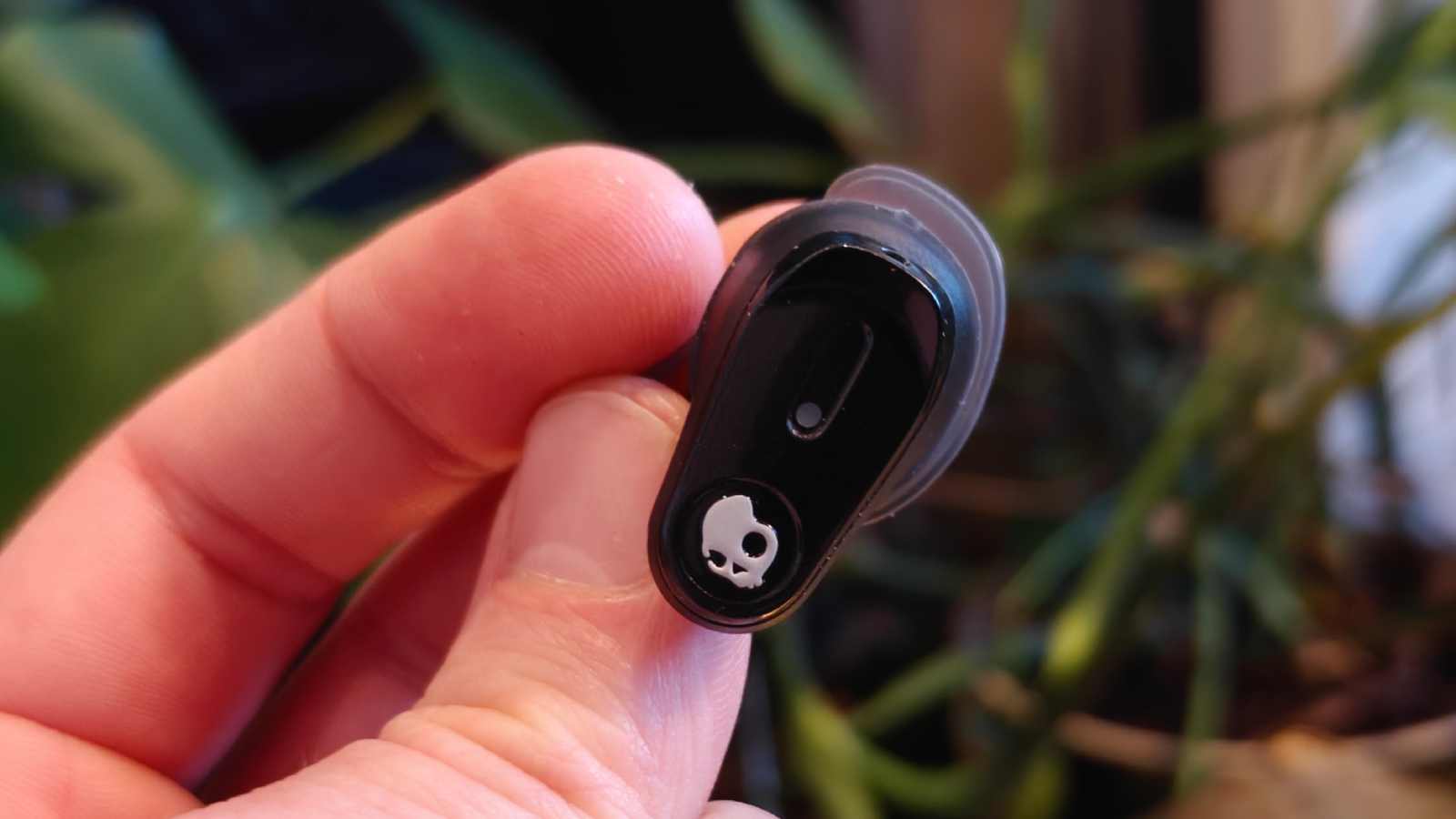
The most interesting implications may be for Skullcandy’s less expensive products.
Bose’s flagship headphones and earbuds already target consumers willing to pay more for premium audio performance and noise cancellation. Skullcandy, by contrast, serves shoppers looking for more affordable options across several categories, including workout headphones, wireless earbuds and portable party speakers.
If Bose makes its technology available more widely across Skullcandy’s lineup, customers could benefit from improvements in areas such as:
-
Active noise cancellation: More effective reduction of background noise during travel, exercise or everyday use.
-
Sound tuning: Potentially more refined audio across different music genres and listening preferences.
-
Product development: Greater access to Bose’s audio research and engineering expertise.
-
Value for money: A chance to experience some Bose-developed features without necessarily paying for a flagship Bose device.
The crucial question will be how much technology Bose chooses to share and whether the resulting products remain affordable.
Better features could make Skullcandy more competitive, but substantial improvements would matter less if they came with price increases that undermined the brand’s value proposition.
Bose has already been exploring new approaches
The acquisition follows a period in which Bose has experimented with different products and price points.
In a recent interview with TechRadar, Haider discussed the company’s decision to release $99 wired earbuds without an accompanying app or AI features. The product reflected a recognition that some consumers prefer straightforward audio products over increasingly complicated connected devices.
That approach could complement Skullcandy’s existing appeal. While premium Bose products focus on advanced audio performance, Skullcandy could give the company a way to reach customers who prioritize affordability, distinctive designs and uncomplicated everyday use.
The acquisition may also provide more opportunities to experiment with different features and product categories without requiring Bose to place every new idea under its own brand.
What happens to Skullcandy now?
The immediate question is whether the acquisition will lead to significant changes in Skullcandy’s products, pricing and identity.
For now, there is no clear indication that the brand will abandon its existing approach. Its recognizable styling, energetic sound profile and relatively accessible pricing remain important parts of its appeal.
The more likely opportunity is for Bose to strengthen the technology behind those products while allowing Skullcandy to maintain its own market identity.
That could create a useful division of strengths: Bose contributes audio engineering and noise-cancellation expertise, while Skullcandy continues to target consumers looking for affordable headphones, earbuds and speakers.
Still, the extent of any changes will depend on future product decisions. The acquisition does not automatically mean that all Skullcandy devices will receive Bose technology or that existing products will suddenly perform differently.
A potentially significant shift for budget audio
Bose’s acquisition of Skullcandy could prove important for consumers who have long viewed premium noise cancellation as an expensive luxury.
If the company extends its audio technology to more affordable Skullcandy products, the benefits could reach shoppers who would otherwise never consider buying Bose headphones.
For now, the biggest opportunity lies in what the combined company might develop next. More accessible noise cancellation, improved sound tuning and better-performing wireless earbuds could make Skullcandy’s future lineup more competitive.
The acquisition’s real success, however, will depend on execution. Consumers will need to see tangible improvements in real products, at prices that remain attractive.
If Bose can deliver that combination, Skullcandy could become a much stronger contender in the affordable audio market.