




































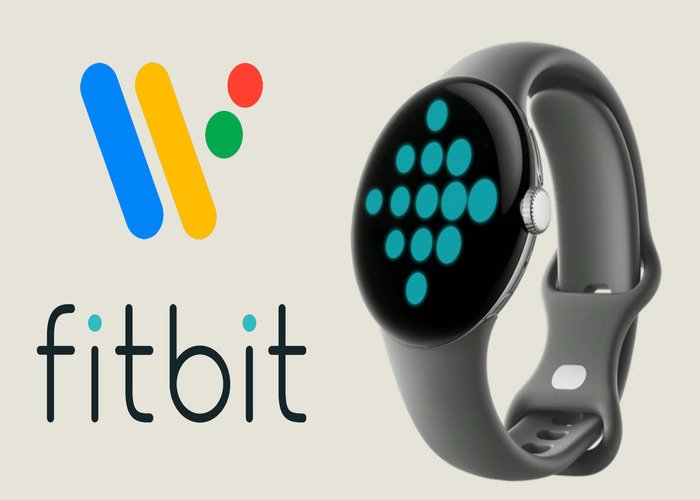
Renowned privacy activist Max Schrems has launched a series of formal complaints against Google-owned fitness wearables manufacturer Fitbit. Schrems, known for tireless efforts to safeguard individual privacy rights, alleges that Fitbit’s data processing practices infringe upon European Union (EU) privacy laws. This article will delve into the details of Schrems’ complaints and their potential implications for Fitbit and the broader tech industry.
Max Schrems’ Commitment to Privacy
Max Schrems, an Austrian lawyer and privacy advocate, has a history of challenging tech giants over their data handling practices. His previous legal battles have had significant repercussions for data protection regulations in the EU.
Concerns Over Fitbit’s Data Practices
Schrems’ complaints center on Fitbit’s data processing practices, particularly how it handles health and fitness data collected from its wearable devices. He alleges these practices violate the General Data Protection Regulation (GDPR), a comprehensive EU privacy law.
GDPR Compliance
The GDPR places stringent requirements on companies regarding collecting and processing personal data. It empowers individuals with greater control over their data and imposes hefty fines for non-compliance.
Google’s Acquisition of Fitbit
Google’s acquisition of Fitbit in 2020 raised concerns about the tech giant’s access to sensitive health data. While Google pledged not to use Fitbit data for targeted ads, Schrems’ complaints underscore ongoing apprehensions about data privacy in the digital age.
The Implications
Schrems’ complaints against Fitbit could have several implications:
1. Legal Scrutiny: Fitbit may face legal scrutiny and potential fines if EU authorities find merit in Schrems’ claims.
2. Data Privacy Discussions: The case could reignite discussions about data privacy in the wearables market and the responsibilities of tech companies regarding user data.
3. Broader Industry Impact: The outcome of this case may set precedents for other companies in the wearables and tech industries, impacting their data handling practices.
Fitbit’s Response
Fitbit, now a subsidiary of Google, has expressed its commitment to data privacy and compliance with GDPR. The company is likely to mount a defense against Schrems’ allegations.
Conclusion
Max Schrems’ complaints against Fitbit reflect the ongoing challenges and debates surrounding data privacy in the digital era. As the case unfolds, it may shape the future of data protection practices for wearable technology companies and reaffirm the importance of GDPR compliance in the EU.