


























SpaceX is moving closer to establishing Starlink Mobile as a major competitor in the US wireless market, joining forces with Qualcomm to develop the infrastructure needed to support its terrestrial 5G network. However, despite Elon Musk’s ambitious vision of delivering reliable mobile coverage almost everywhere, industry experts warn that building a nationwide network will be a lengthy and complicated process.
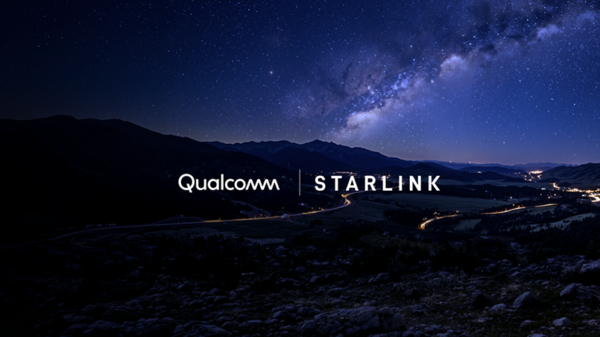
Under a newly announced multi-year agreement, Qualcomm’s Dragonwing Cellular Infrastructure platforms will power Starlink Mobile’s ground-based network stations. The technology is designed to improve coverage, increase network capacity and make more efficient use of available spectrum.
The agreement will involve deployment across tens of thousands of sites, with the rollout expected to begin in 2027. Qualcomm has described it as its biggest 5G deal to date.
Musk welcomed the partnership on X, praising Qualcomm’s technology and suggesting that the collaboration would finally make it possible to create a single network offering strong signal coverage everywhere.
Yet the announcement represents only one part of SpaceX’s broader effort to enter the highly competitive US mobile market, currently dominated by Verizon, AT&T and T-Mobile.
(Image credit: Starlink / Qualcomm)
Building the network will require more than Qualcomm technology
Telecoms analyst Tim Farrar, president of TMF Associates, described the agreement as an important development but stressed that securing spectrum rights and access to mobile towers will be even more critical.
He suggested that acquiring EchoStar’s remaining spectrum assets and reaching agreements with tower operators could provide Starlink Mobile with the quickest route to establishing its infrastructure.
EchoStar is the parent company of Boost Mobile, which has been linked to potential acquisition discussions involving SpaceX. Reports have suggested that SpaceX is interested in purchasing the business, although the implications of such a deal remain uncertain.
Boost Mobile currently relies on mobile virtual network operator agreements with T-Mobile and AT&T. Research from MoffettNathanson, reported by TeleCompetitor, suggests those arrangements would be unlikely to transfer to Starlink Mobile following an acquisition.
That creates another potential obstacle. Starlink Mobile has reportedly been rejected as an MVNO by major US carriers, leaving questions about whether it can secure the tower leases necessary to build its terrestrial network.
Without access to existing infrastructure, the company could find itself holding valuable spectrum but facing the costly challenge of constructing much of its own ground-based network.
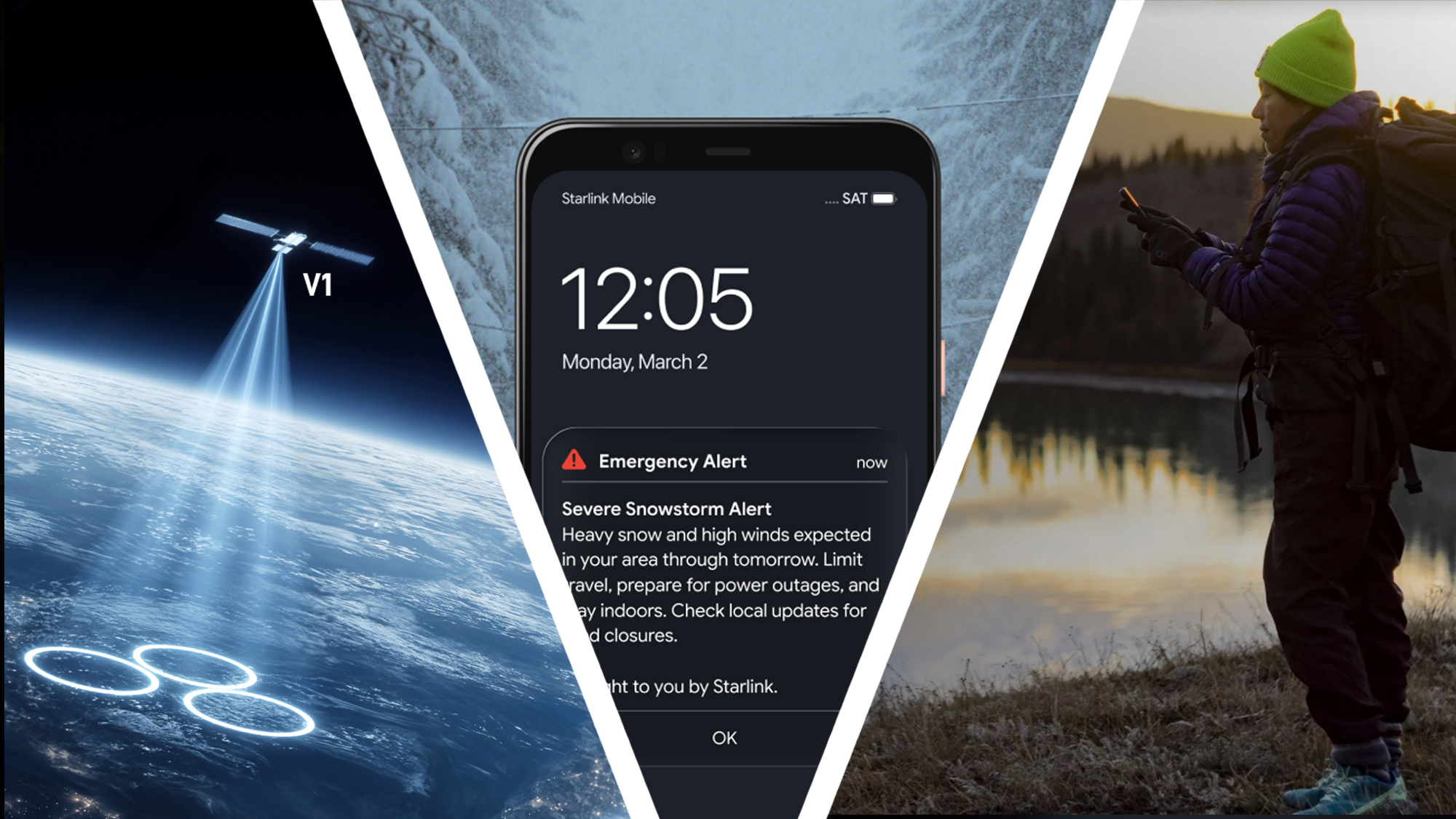
Could Starlink become America’s fourth major mobile network?
Not everyone is skeptical about the company’s prospects. Mike Dano, lead industry analyst at Ookla, believes the Qualcomm partnership strengthens the possibility that Starlink Mobile could eventually become a credible fourth nationwide wireless provider in the United States.
However, he cautioned that several important stages remain before the service can compete at that level. SpaceX will need to develop the necessary radio equipment, install it on towers and activate services for paying customers.
It will also need to launch additional satellites to support the wider ambitions of its mobile service.
Dano estimates that achieving the scale required to become a serious nationwide competitor could take several years at the very least.
The company’s current direct-to-device satellite service also highlights the work still needed to improve performance. Ookla’s recent research found that Starlink Mobile is helping address coverage gaps across the US, but its performance still falls behind traditional terrestrial networks.
The report found that approximately one in seven texts sent through Starlink Mobile’s direct-to-device service failed to arrive. By comparison, the failure rate on terrestrial networks was around one in 50.
According to Dano, closing that performance gap will be an important priority as SpaceX expands its ground-based infrastructure.
Musk may have a bigger ambition than simply winning customers
For some industry observers, Starlink Mobile’s long-term strategy could extend well beyond becoming another wireless carrier.
Peter Adderton, CEO of MobileX and founder of Boost Mobile, suggested that Musk may be pursuing a broader plan to reshape the economics of the telecommunications industry.
In a post on X, Adderton argued that the objective could be to build enough network coverage to disrupt the financial foundations of established mobile operators.
He speculated that SpaceX’s ultimate ambition might not simply be to compete for wireless customers, but to weaken the valuations of traditional carriers to the point where acquiring one becomes more attractive.
Under that interpretation, Starlink Mobile would represent a wider effort to change how the wireless industry operates, rather than just another entrant fighting for market share.
A long road ahead for Starlink Mobile
The Qualcomm agreement gives SpaceX an important technology partner and brings its terrestrial 5G ambitions closer to reality. Nevertheless, spectrum access, tower agreements, equipment deployment, satellite expansion and network performance remain significant challenges.
Musk’s vision of universal mobile coverage is ambitious, but turning it into a reliable nationwide service will require substantial investment and years of development.
For now, Starlink Mobile’s partnership with Qualcomm is a major step forward—not yet proof that the company is ready to take on America’s established wireless giants.