




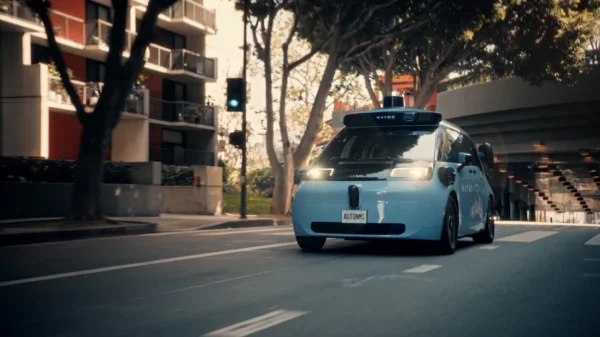


























Waymo, Alphabet’s autonomous driving subsidiary, has secured $5 billion in debt financing from a group of prominent financial institutions, including PIMCO, Blackstone, and Sixth Street, as it accelerates its robotaxi expansion across the United States and into international markets.
The financing marks Waymo’s first major debt deal and represents a significant step in its transition from a technology development project into a large-scale commercial business. The company plans to use the funding to support expansion in existing markets and prepare for launches in new cities across the United States, Europe, and Japan.
Other lenders participating in the deal include Capital Group, Loomis Sayles, T. Rowe Price, Apollo, Blue Owl, Diameter Capital Partners, Franklin Templeton, Fidelity Management & Research Company, HPS Investment Partners, and Oaktree. Goldman Sachs acted as the sole lead bookrunner.
Waymo said the financing would provide greater financial flexibility, strengthen its balance sheet, and help it pursue new commercial opportunities as demand for its autonomous ride-hailing services grows.
Until now, the company has primarily relied on funding from Alphabet and external investors. In February 2026, Waymo raised $16 billion in equity financing, bringing its valuation to $126 billion. Dragoneer Investment Group, DST Global, and Sequoia Capital led the round, while Alphabet remained the company’s majority investor.
The latest funding follows several previous investment rounds, including $5.6 billion raised in 2024, $2.5 billion in 2021, and $3.2 billion in 2020.
Waymo Expands Across the United States
Originally developed as a self-driving research project within Google, Waymo spent years testing its autonomous driving technology on public roads in Silicon Valley and the San Francisco Bay Area before expanding its commercial operations.
Phoenix became the company’s first robotaxi market after its expansion there in 2016. Waymo reached another major milestone in August 2023, when it secured the final permits required to charge passengers for driverless rides in California.
Since then, the company has expanded into several California cities, including Los Angeles, San Francisco, and San Diego. It has also introduced services in other US markets, including Austin, Dallas, and Houston in Texas, as well as Miami, Orlando, and Tampa in Florida.
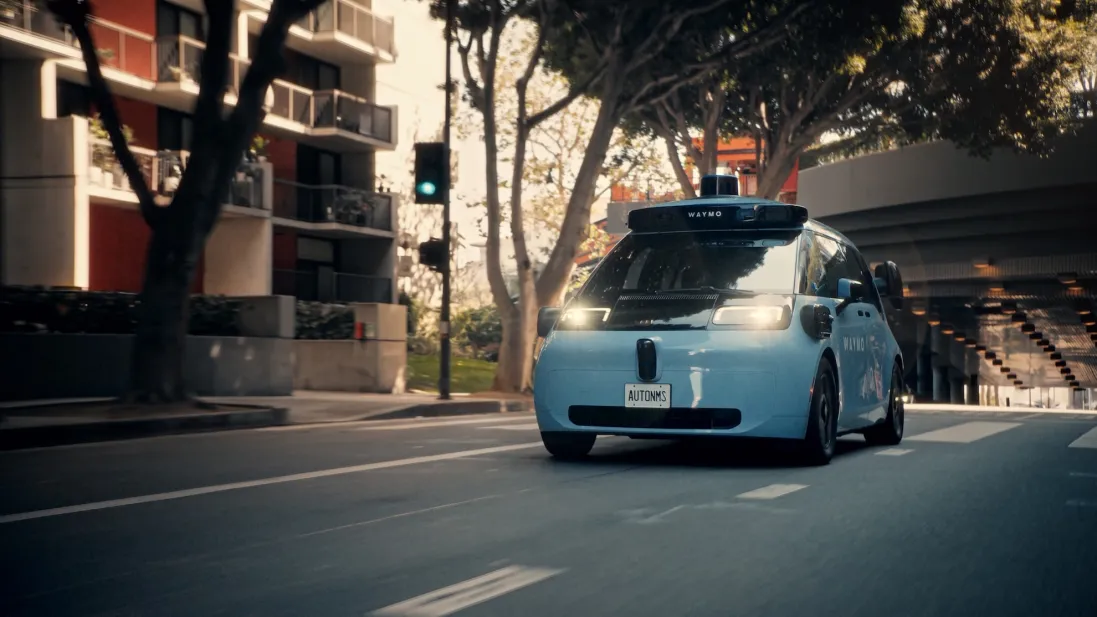
Waymo now operates robotaxi services in 15 markets and is preparing to extend its international footprint. The company is testing its autonomous vehicles in London and Tokyo, with plans to introduce services in both cities.
The $5 billion financing could help Waymo fund the vehicles, technology, operational infrastructure, and market expansion required to support its growing network.
Safety Concerns Draw Regulatory Attention
Despite its commercial progress, Waymo faces increasing scrutiny over the safety of its autonomous vehicles.
The National Highway Traffic Safety Administration’s Office of Defects Investigation has opened an investigation into reports of Waymo robotaxis behaving illegally around school buses. The federal regulator also launched a separate investigation after one of the company’s vehicles struck a child near an elementary school in Santa Monica. The child sustained minor injuries, and the vehicle was reportedly travelling at approximately six miles per hour at the time of the incident.
The National Transportation Safety Board also opened an investigation after Waymo vehicles were reportedly observed illegally passing stopped school buses on multiple occasions in at least two states.
These investigations highlight the regulatory and operational challenges Waymo must address as it expands its driverless transportation services.
With $5 billion in new debt financing and a valuation of $126 billion following its February equity round, Waymo is positioned to pursue its ambitious growth plans. However, its long-term success will depend not only on expanding into new markets but also on demonstrating that its autonomous technology can operate safely and reliably at scale.