





























Meta is giving consumers more ways to wear smart glasses without necessarily carrying a camera on their face.
At Meta Connect on Wednesday, CEO Mark Zuckerberg unveiled a slimmer virtual-reality headset alongside a new pair of Ray-Ban Meta Audio glasses that ditch the camera entirely. The 43-gram glasses are designed for listening to music, making calls and interacting with Meta’s Muse AI agent, while offering up to 12 hours of battery life.
The audio-only glasses also come with an optional hearing-enhancement feature. For an additional cost, the glasses can function as an FDA-cleared over-the-counter hearing aid for people with perceived mild to moderate hearing loss.
Zuckerberg described the feature as potentially transformative, highlighting fashion designer Lindsay Jones, who said the glasses helped her hear conversations more clearly despite gradual hearing loss in her left ear.
More Fashion, Less Camera

Meta is also leaning heavily into style. The Ray-Ban Meta Audio glasses are available in 23 color and lens combinations, including a new version inspired by the Ray-Ban Clubmaster and a rectangular frame called Burbank.
They are available for preorder at $349 and are scheduled to begin shipping October 13.
The move gives consumers another option in a category that has increasingly faced questions about privacy and social acceptability. Meta’s camera-equipped glasses have been criticized after users were accused of secretly recording people and filming workers for social-media content.
Some U.S. jurisdictions have introduced restrictions on smart glasses in courthouses, while New York has prohibited their use across state court buildings.
Meta has taken some steps to address the issue. In August, it introduced a fix for a workaround that allowed users to record video while covering the glasses’ recording indicator. Instagram chief Adam Mosseri also said in July that the platform would ban users who posted harassment videos recorded with the glasses, although reports have indicated that some such content remains accessible.
Meta Isn’t Abandoning Camera Glasses
Despite the introduction of an audio-only model, Meta is clearly not moving away from camera-equipped smart glasses.
The company also announced the third-generation Ray-Ban Meta glasses, priced at $499. They feature improved battery life and microphones, come in 27 color and lens combinations and will soon be capable of recording video with Dolby Atmos spatial audio.
Meta’s lower-priced smart glasses, introduced in June, are also receiving new designs. Starting at $249, the lineup includes an updated Kylie Jenner collaboration and two new frames created with Blackpink’s Lisa, each priced at $399.
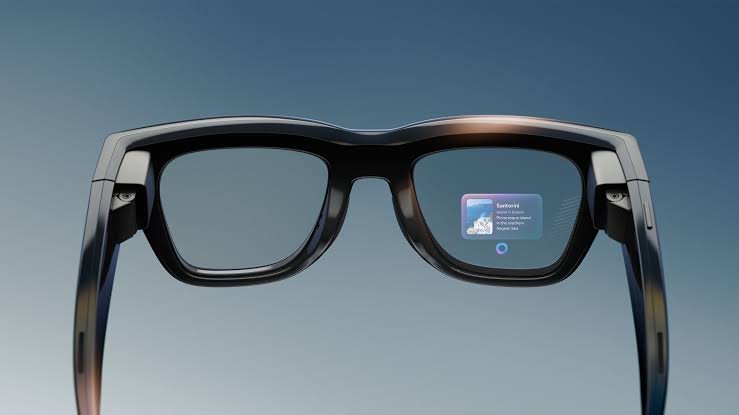
Meanwhile, Meta’s Ray-Ban Display glasses will become available online in the U.S. for the first time, starting at $799.
Can Better Design Overcome the Privacy Problem?
Meta is clearly trying to make smart glasses look less like futuristic gadgets and more like ordinary eyewear. Consumers can now choose between camera and camera-free versions, while the growing range of styles makes the technology less visually obvious.
But the new designs don’t eliminate the concerns surrounding camera-equipped glasses.
Meta remains the leading company in the smart-glasses market, according to IDC, while competitors including Snap, Google, Apple and Samsung are also developing or preparing new products in the category.
The challenge for Meta is therefore not simply convincing people that smart glasses are fashionable. It also needs to convince the public that wearing a device capable of recording other people does not automatically make the wearer uncomfortable to be around.
The audio-only glasses offer one way around that problem by removing the camera altogether. Whether consumers will embrace them as enthusiastically as Meta’s camera-equipped models remains to be seen.