


























A budget-friendly synthesizer is attracting attention from music enthusiasts and technology tinkerers after its community transformed it from a simple electronic instrument into a versatile pocket-sized music studio. The M-Vave FM-1, which costs around $60, has inspired a growing collection of custom firmware projects, allowing users to experiment with music production, retro gaming and other creative applications.
Originally marketed as a compact companion to Yamaha’s famous DX7 synthesizer, the FM-1 offered basic frequency-modulation synthesis at an affordable price. But the device’s potential expanded dramatically after enthusiasts began reverse-engineering its original firmware and developing their own software.
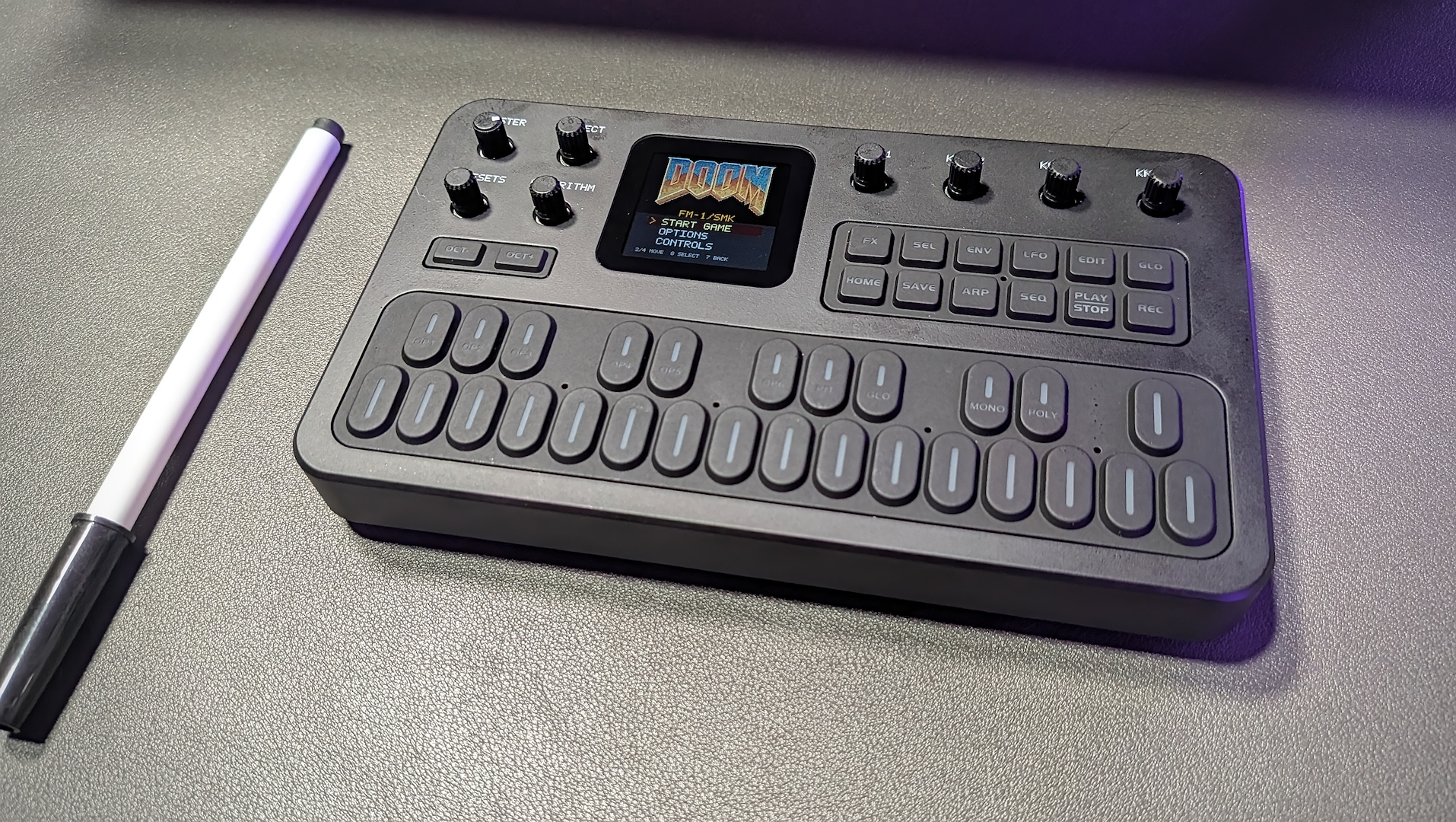
By September 2026, custom firmware projects were already appearing, and the growing community had turned the inexpensive synthesizer into a platform for experimentation. One of the more unusual achievements? Getting the classic video game Doom to run on it.
M-Vave Opens the Door to Custom Firmware
On October 17, M-Vave announced FM1 Open, a software package designed to encourage developers to create their own firmware for the device.
The release included a software development kit, a browser-based development workbench and version 15 of the original firmware, which now serves as an open platform for further development. The company also provided an in-browser emulator so users could test their creations before installing them on the physical device.
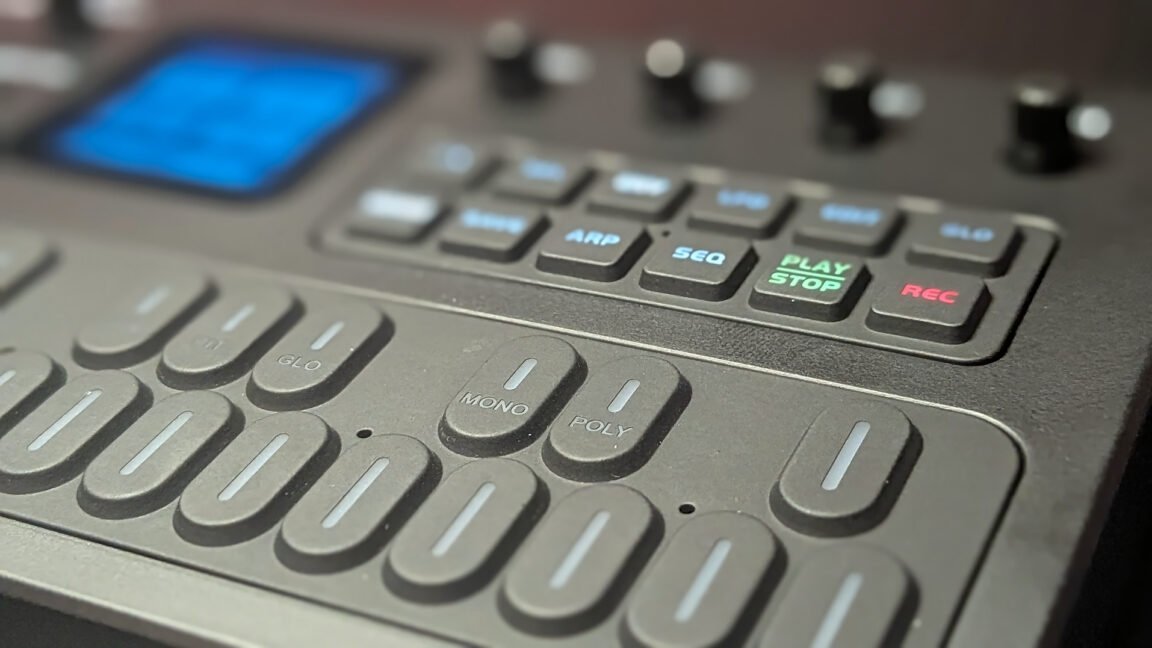
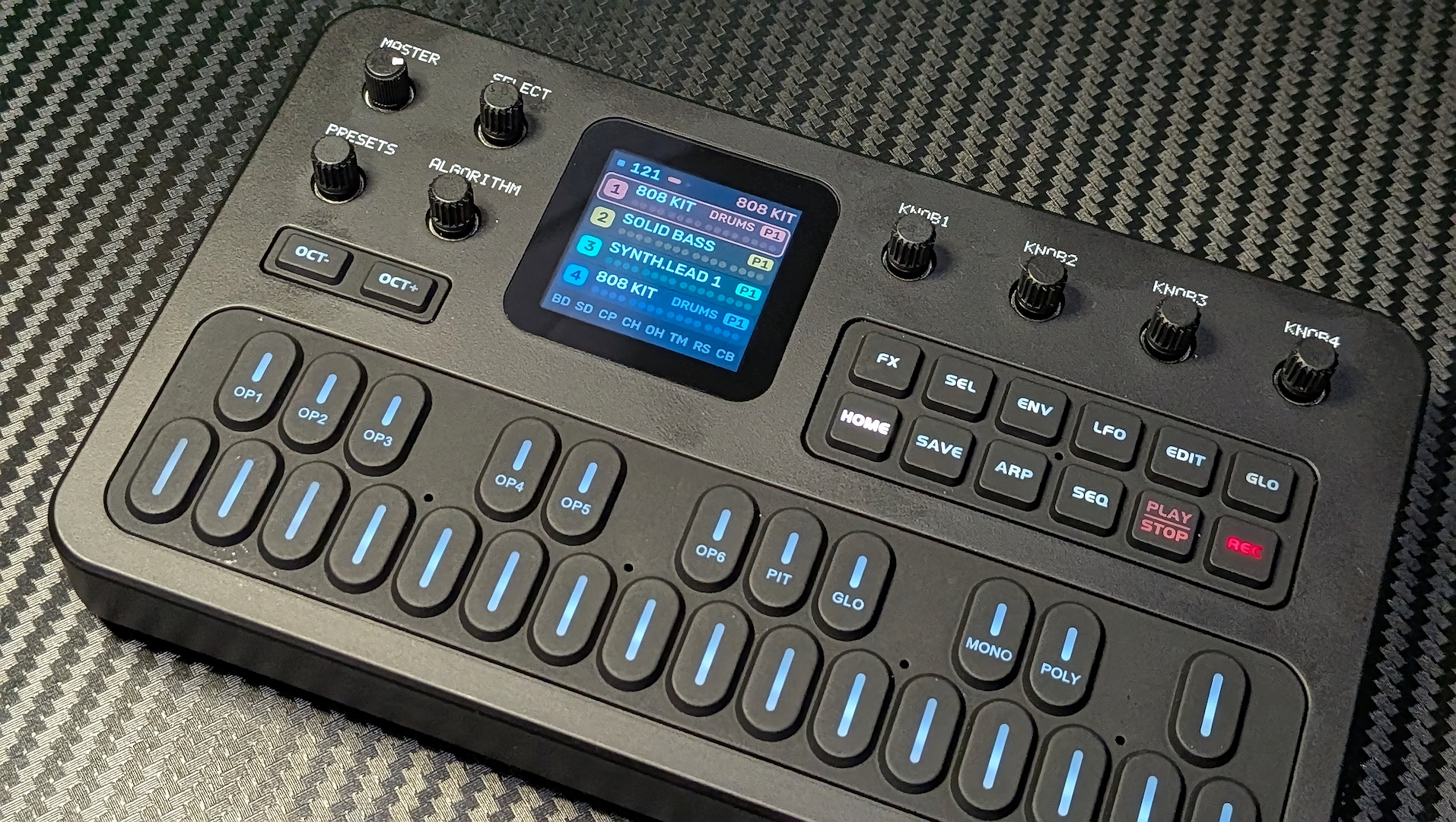
The FM-1 features 27 physical piano keys and a 1.54-inch TFT display, providing a compact interface for a range of experimental projects.
Although the move represents a significant show of support for the community, there is an important distinction: the application layer is open source under the GPLv3 licence, but the underlying synthesizer engine remains a closed binary. Developers can modify the software interface and build new applications, but they do not have complete access to every component of the original sound engine.
Installing Custom Firmware Requires Caution
The growing selection of software makes the FM-1 appealing to hobbyists, but installing custom firmware is not without risk.
The device uses a JieLi chip that stores firmware in a single flash bank. An interrupted installation could leave the synthesizer unable to boot normally, potentially making recovery difficult.
Installing new firmware also erases the device’s saved information, so users should back up their projects and settings beforehand.
Another important step is checking the current firmware version. Community guides recommend updating the FM-1 to the official version 15 firmware before installing custom builds.
The reviewer initially attempted to install a Doom project on a device running version 14. The installation failed about 80 percent of the way through, leaving the synthesizer working but incompatible with the installers.
Fortunately, M-Vave’s FM1 Workbench includes a force-flash recovery tool. Using it restored the device to stock version 15 in approximately 10 seconds.
Users are also advised to ensure the synthesizer is fully charged, connect it to a computer via USB and use a Chromium-based browser that supports WebUSB and Web MIDI. The device should remain connected throughout the installation, and the computer should not enter sleep mode during the process.
For switching between community firmware projects, developers generally recommend returning to the official version 15 firmware first. Another option is TransitFM1, a bridge firmware designed to help users move between custom builds more safely.
Doom Brings Retro Gaming to the Tiny Synthesizer
One of the most entertaining projects demonstrates that the FM-1 can do considerably more than produce music.
Several community-developed versions of Doom now run on the device’s small 240-by-240-pixel display. Playing a first-person shooter on miniature piano keys is hardly an ideal gaming experience, but the fact that a synthesizer costing around $60 can run the game is impressive in its own right.
The limited display means enemies can sometimes appear suddenly because of the short viewing distance, creating unexpected jump scares. Nevertheless, the game reportedly runs surprisingly well for such an unconventional platform.
The project highlights the creativity of the FM-1 community and the possibilities that emerge when inexpensive hardware becomes open to experimentation.
Melodee Offers Multiple Synthesizer Engines
For musicians, Melodee is a more practical alternative to gaming projects.
While the original FM-1 firmware focuses on recreating the sound of the Yamaha DX7, Melodee draws inspiration from the Casio CZ-1, a synthesizer known for its phase-distortion synthesis.
The firmware includes four sound engines: a CZ-1 emulator, a DX7-style synthesizer, a percussion engine for drum sounds and an emulator of the Commodore 64’s SID sound chip.
The SID engine is particularly appealing to fans of classic video game music and 8-bit soundtracks. It allows users to explore the distinctive electronic tones associated with early home computers and retro gaming.
Together, these engines give the FM-1 a wider sonic range, making it useful for experimenting with different musical styles without investing in several dedicated instruments.
Felucca Turns the FM-1 Into a Multitrack Studio
Among the available firmware options, Felucca stands out as a particularly capable platform for music production.
The stock firmware allows users to select different instruments but generally plays only one at a time. Felucca enables independent instruments to run simultaneously, allowing users to combine sounds and create fuller arrangements.
It includes more than a dozen sound engines, ranging from phase-distortion synthesis to virtual analog instruments, as well as a built-in sampler.
Felucca also offers a multitrack pattern sequencer and a browser-based RAW editor that makes arranging music easier than navigating the synthesizer’s small screen.
The firmware supports recording through USB, allowing the FM-1 to connect to software such as Audacity. Once connected, the synthesizer can be selected as an audio recording device, enabling users to capture its instruments and effects directly on a computer.
It is also possible to create music entirely on the device. Users can switch between recording tracks and instrument presets, gradually building a composition by layering sounds.
In testing, the reviewer created a four-track beat loop after approximately 15 minutes of experimentation. Although the process required some trial and error, it demonstrated how quickly the FM-1 could become a basic music-production tool.
The small keys can be challenging for people with larger fingers, occasionally causing users to hit adjacent notes accidentally. Still, this limitation did not prevent the device from producing a workable musical arrangement.
SLOOP Adds a Groovebox Experience
Another project, SLOOP, takes the FM-1 in a slightly different direction by turning it into a groovebox.
A groovebox is essentially a self-contained music-making system that allows users to create and arrange beats without needing a computer.
SLOOP adds drum machines, synthesizer layers and an eight-track recording environment built on Felucca’s sound engines. Users can program drums and bass on a grid, combine loops and gradually layer sounds while the device maintains the rhythm.
Where Felucca focuses more broadly on synthesis and music creation, SLOOP is designed with live performance in mind. Its workflow allows musicians to build arrangements on the fly, making the FM-1 a compact tool for improvisation and beatmaking.
Although the controls may take some time to master, the system expands the synthesizer’s usefulness beyond simply playing individual notes.
A Budget Device With Unexpected Potential
The M-Vave FM-1 demonstrates how community development can extend the life and capabilities of inexpensive hardware.
At around $60, it offers an accessible way for beginners to experiment with electronic music, while its growing firmware ecosystem gives experienced hobbyists plenty of opportunities to tinker. From retro gaming to multitrack recording, the device has evolved well beyond its original purpose.
It is not a replacement for a professional synthesizer setup, and its small keys, limited display and firmware-installation risks are worth considering. However, its affordability makes experimentation less intimidating than investing in expensive studio equipment.
The reviewer, who purchased the FM-1 independently rather than receiving a review unit from M-Vave, found the device compelling enough to consider buying another as a gift for a child interested in music and technology.
Ultimately, the FM-1’s greatest strength may be its flexibility. What began as an inexpensive pocket synthesizer has become a community-driven platform for music production, programming and creative experimentation—proving that useful tools do not always have to come with a premium price tag.