

































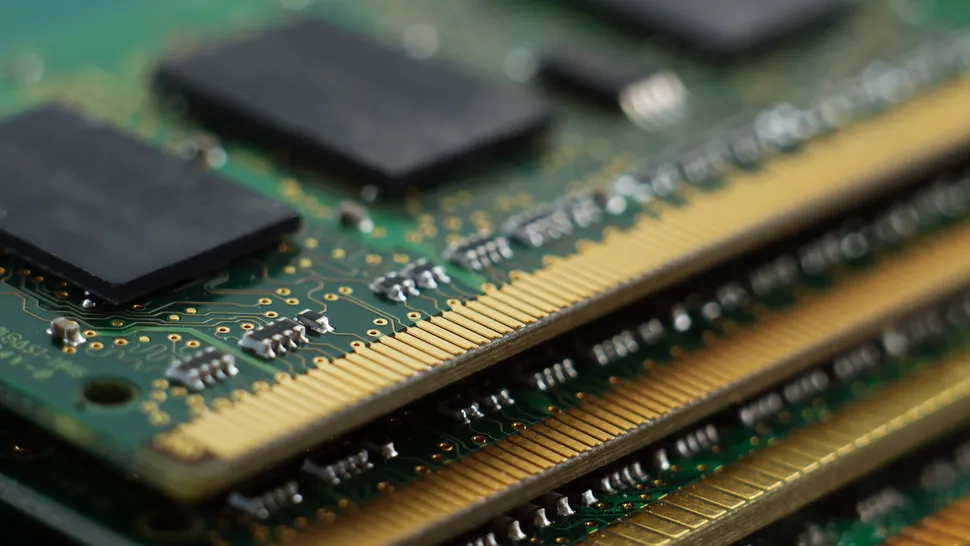
The global memory shortage could continue for several more years, with a source at Chinese chipmaker YMTC reportedly warning that supply constraints may persist until at least 2029.
According to The Wire China, an employee at Yangtze Memory Technologies Corp. (YMTC) said the company expects the global memory shortage to continue for “at least another three years.” The claim was highlighted by analyst Jukan on X and subsequently reported by TweakTown.
YMTC has reportedly responded to the tight supply environment by raising prices for its memory chips and shifting production toward higher-margin products.
The warning is particularly significant for the NAND market, which is used extensively in solid-state drives (SSDs). YMTC is currently the world’s third-largest NAND supplier, behind Samsung and SK hynix, making any changes to its production and pricing strategy potentially important for the broader SSD market.
NAND Outlook Remains Uncertain
The latest warning contrasts with forecasts from market research firm TrendForce, which has previously suggested that NAND supply could return to balance later in 2027.
That outlook is now facing fresh questions as manufacturers contend with strong demand and limited supply. While the YMTC source reportedly referred to the broader memory shortage, analysts have connected the warning specifically to NAND because of the company’s position in the SSD supply chain.
TrendForce has also issued a more immediate warning about DRAM, saying supply remains “very tight.” The firm reported that early discussions over fourth-quarter 2026 contract pricing indicate significant price increases could be ahead.
According to TrendForce, demand from US cloud service providers (CSPs) is playing a major role in the pressure on DRAM supplies. The continued expansion of cloud infrastructure and data-centre demand is increasing competition for memory capacity.
If the forecasts hold, consumers and businesses could face elevated prices for both RAM and SSDs well beyond the current cycle. The possibility of shortages extending into the latter part of the decade also suggests that the memory market may remain under pressure as manufacturers balance limited capacity against rapidly growing demand from cloud and AI infrastructure.