


























Apple’s first foldable iPhone combines premium engineering, powerful performance and an almost crease-free display. However, its high price, missing Face ID and limited app optimization leave room for improvement.
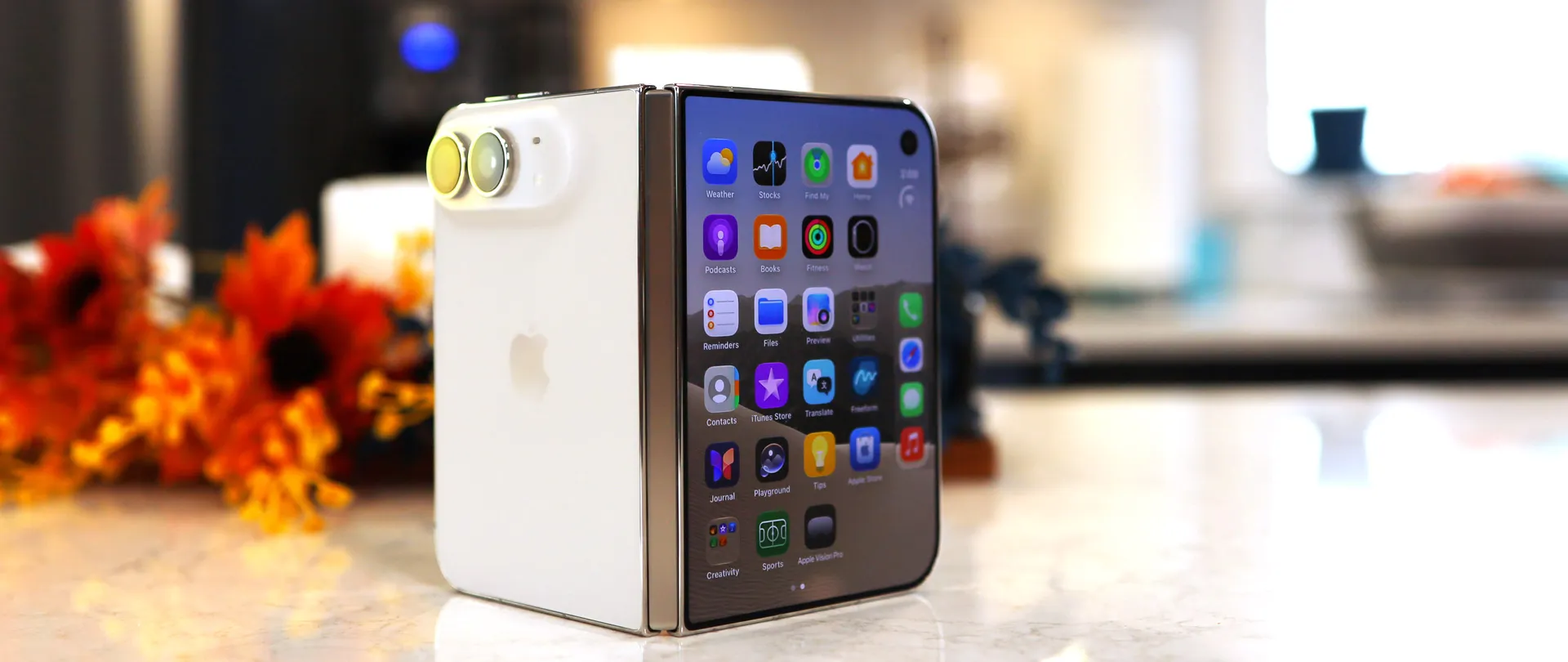
Apple has finally entered the foldable smartphone market with the iPhone Duo, a device that combines the convenience of a compact smartphone with the larger display of a small tablet.
After spending nearly a week using it as a primary phone, TechRadar reviewer Lance Ulanoff found that Apple’s first foldable is an impressive debut. Its polished titanium construction, cleverly engineered hinge and matte inner display help it stand out from competing foldables.
However, the iPhone Duo is not without drawbacks. It is heavier and thicker than its closest rival, the Samsung Galaxy Z Fold 8, and its unusual cover-screen layout can make some apps feel cramped. The absence of Face ID and a dedicated telephoto camera are also disappointing omissions for a phone in this price range.
Despite these shortcomings, the iPhone Duo delivers an appealing combination of portability, performance and productivity for Apple fans who have been waiting for a foldable iPhone.
Price and availability
The iPhone Duo starts at $1,999 in the US, £1,999 in the UK and AU$3,499 in Australia for the 256GB model. Apple unveiled the device at its September 9, 2026, Surprise and Shine event.
Higher-capacity versions are also available, with the 2TB model reaching $3,199, £3,199 or AU$5,899.
| Storage | US price | UK price | Australian price |
|---|---|---|---|
| 256GB | $1,999.99 | £1,999 | AU$3,499 |
| 512GB | $2,199 | Not announced | Not announced |
| 1TB | $2,599 | Not announced | Not announced |
| 2TB | $3,199 | £3,199 | AU$5,899 |
The iPhone Duo is the most expensive iPhone Apple has produced, although its dual-purpose design helps put the price into perspective. It functions as a compact phone when folded and opens into a 7.6-inch tablet-like device.
Apple also offers leasing options and trade-in opportunities that may make the purchase more manageable. Even so, the starting price is a significant barrier, particularly because the base model includes only 256GB of storage.
Value rating: 4/5
Key specifications
| Feature | Apple iPhone Duo |
|---|---|
| Dimensions, unfolded | 164.6 × 117.8 × 5.2mm |
| Dimensions, folded | 84.1 × 117.8 × 11.3mm |
| Weight | 254g |
| Main display | 7.6-inch Super Retina XDR |
| Cover display | 5.4-inch Super Retina XDR |
| Refresh rate | Adaptive 1–120Hz |
| Peak brightness | 3,000 nits |
| Processor | Apple A20 Pro |
| RAM | 12GB |
| Storage | 256GB, 512GB, 1TB or 2TB |
| Operating system | iOS 27 |
| Rear cameras | 48MP wide and 48MP ultra-wide |
| Front cameras | 12MP Center Stage outer camera and 4MP inner camera |
| Battery | Approximately 4,800mAh |
| Charging | Up to 60W wired and 35W wireless |
| Colours | Star White and Night Sky |
| Durability | IP68 rating |
Design: Premium engineering with a few compromises
Rating: 4.5/5
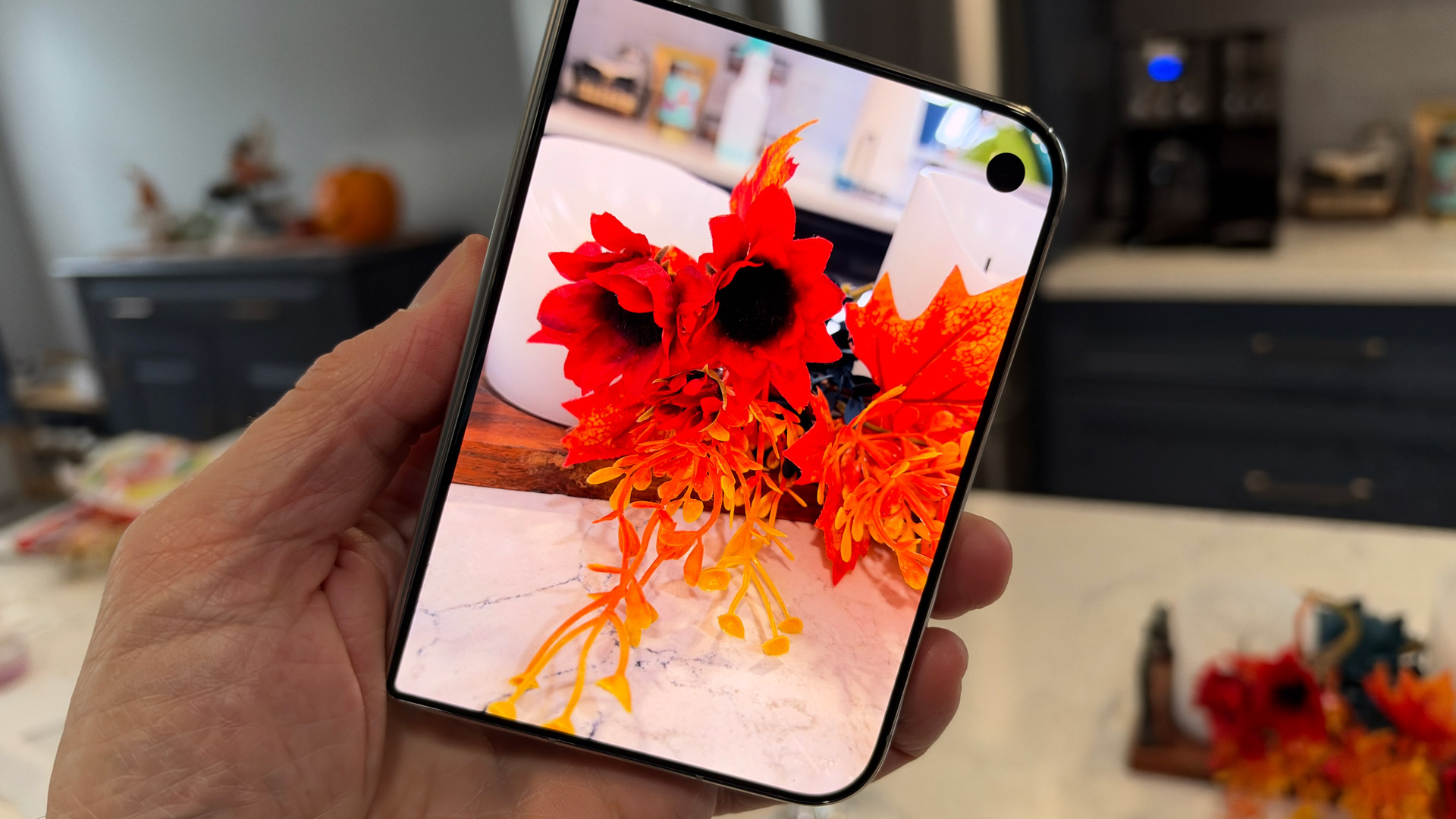
Apple has delivered an unusually polished foldable design. The iPhone Duo features a highly finished titanium frame, a matte rear panel and a hinge that makes opening and closing the device feel smooth and satisfying.
The hinge is one of its strongest features. Hundreds of magnets and other internal components help keep the phone securely closed, while the mechanism allows it to open at different angles up to a completely flat 180 degrees. Once unfolded, the hinge is barely noticeable.
At just 5.2mm thick when open, the iPhone Duo is Apple’s thinnest iPhone in tablet mode. Its 7.6-inch display is even thinner than the 8-inch iPad mini.
The trade-off is its size when folded. At 11.3mm thick and 254g, it is heavier and thicker than the Samsung Galaxy Z Fold 8, which weighs 201g. The difference is noticeable, particularly when carrying the phone in a case.
Its squat, almost square shape also gives it a distinctive appearance. The wider body may take some getting used to, but the matte rear finish improves grip and helps prevent the device from slipping out of the hand.
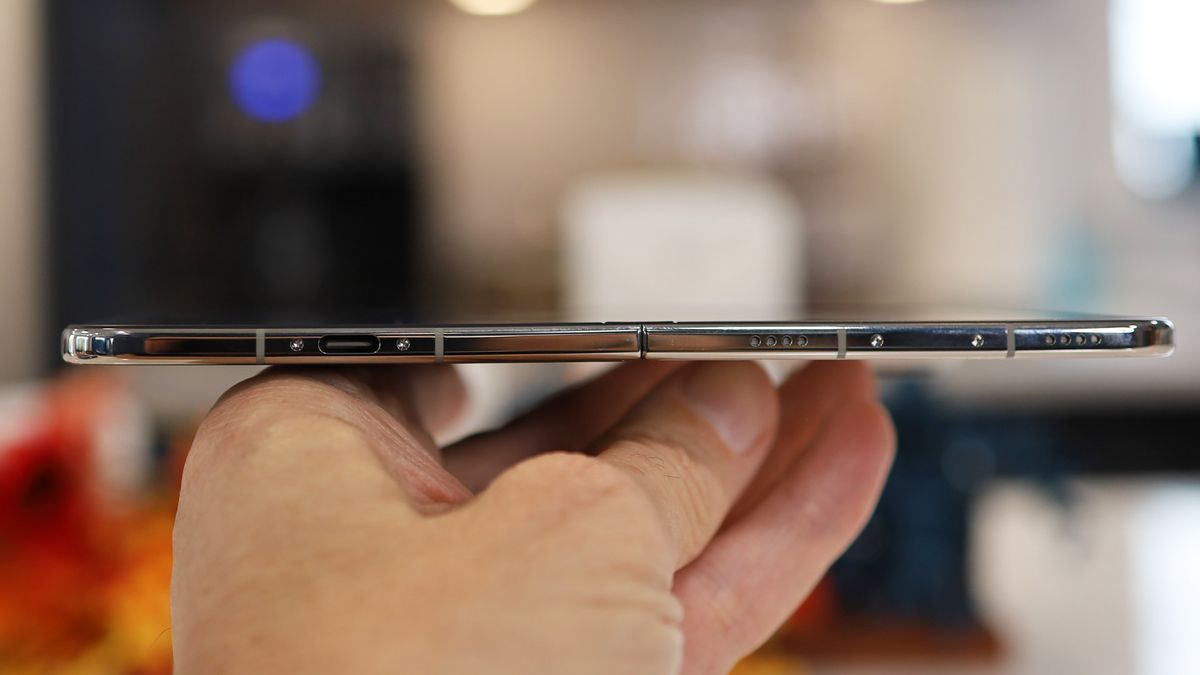
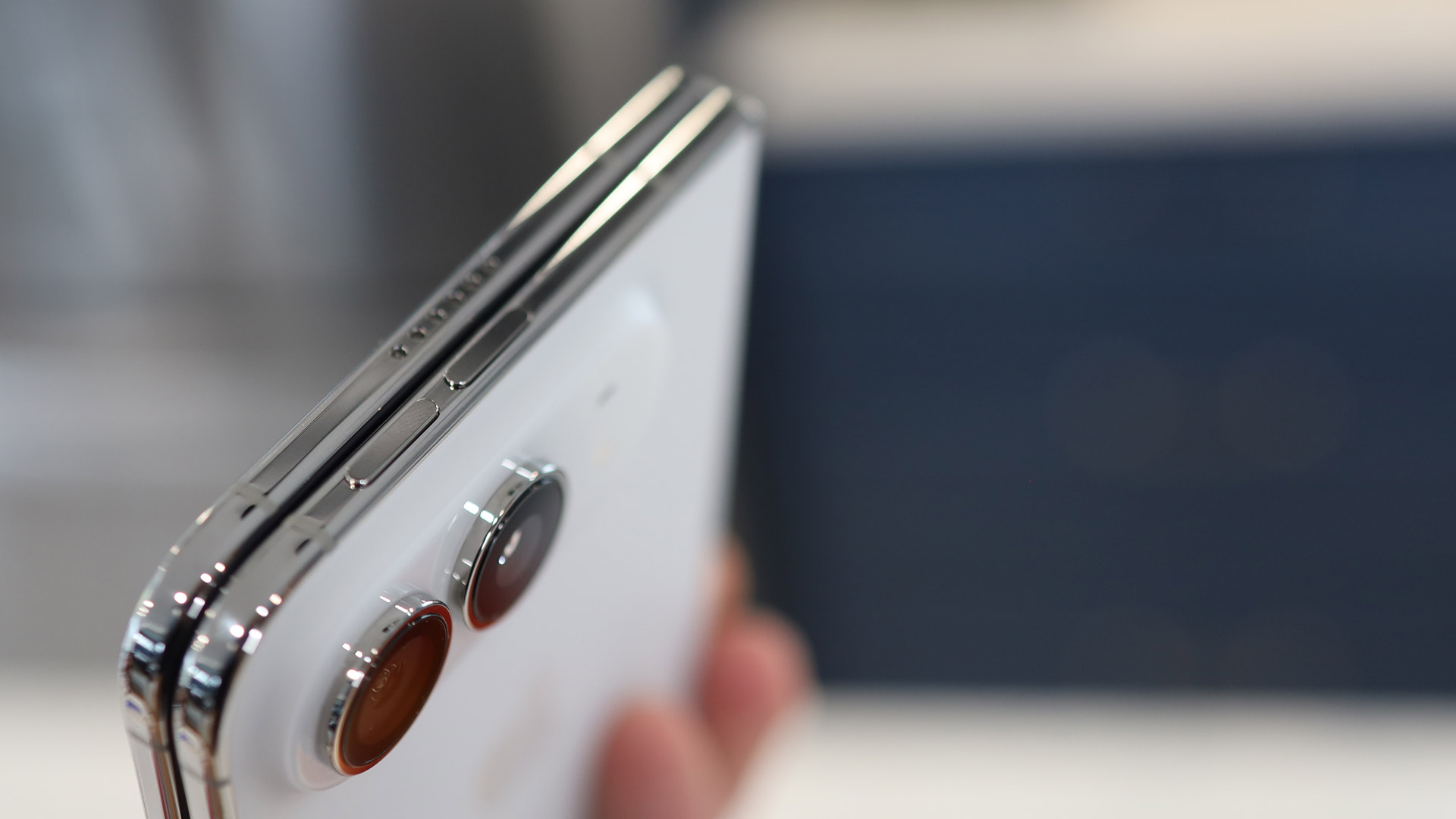
The volume buttons sit along the top edge, while the power button incorporates Touch ID. An Action button is also included, alongside a USB-C port, speakers and microphones at the bottom.
One major omission is Face ID. Users must rely on Touch ID to unlock the device, which can feel inconvenient after years of using facial recognition on other iPhones.
Apple has at least given the Duo an IP68 rating for dust and water resistance, an impressive feature for a first-generation foldable.
Overall, the design is sophisticated and carefully engineered, although a lighter body and Face ID would make it even better.
(Image credit: Lance Ulanoff / Future)
Displays: An almost crease-free folding screen
Rating: 4.5/5
The iPhone Duo features two high-quality OLED displays: a 5.4-inch external screen and a 7.6-inch internal screen. Both support adaptive refresh rates of up to 120Hz, always-on functionality and peak brightness of 3,000 nits.
The screens are sharp, bright and responsive, with resolutions that compare favourably with those of the Samsung Galaxy Z Fold 8.
Apple’s biggest achievement, however, is the inner display’s crease reduction.
A nano-textured surface helps disperse reflected light, making the fold almost invisible during everyday use. The matte finish also reduces glare in bright environments, giving photos, videos and web pages a paper-like appearance.
The texture may slightly reduce the visual punch of some content, but the reviewer found the screen enjoyable for gaming, streaming, browsing and photo editing.
The outer display is less successful. Apple’s decision to place the status bar and app dock vertically along the right side takes up valuable space, leaving some apps and websites feeling cramped. The arrangement makes certain controls easier to reach with the right thumb, but the compromise will not appeal to everyone.
The internal display supports the USB-C Apple Pencil, although stylus support was not yet available during the review period and was expected to arrive by November.
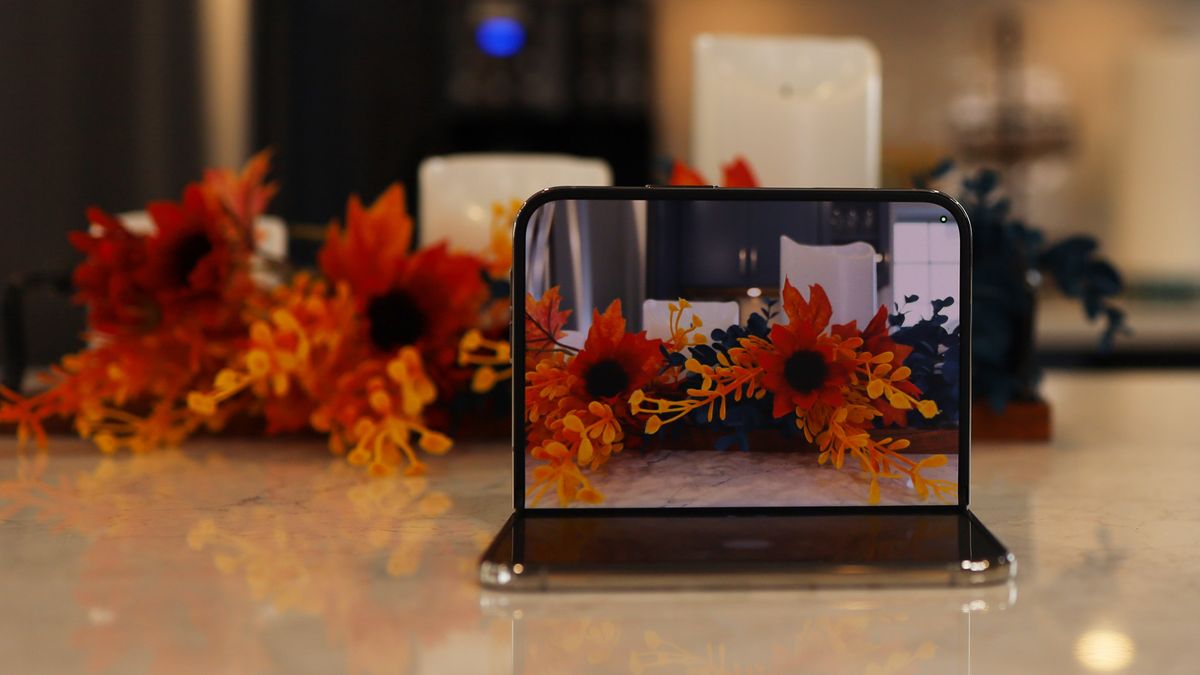
Apple has also improved StandBy mode to take advantage of the folding design. The phone can be positioned like a tent or an open book, automatically adjusting its display to suit the orientation. It can even serve as a bedside clock when placed on a compatible MagSafe charger.
Taken together, the two screens are among the Duo’s biggest strengths, particularly for users who want a larger workspace without carrying a separate tablet.
(Image credit: Lance Ulanoff / Future)
Cameras: Excellent results without a telephoto lens
Rating: 4.5/5
The iPhone Duo has four cameras, although three are considerably more versatile than the fourth.
Its external camera system includes:
-
A 48MP main camera with an f/1.6 aperture.
-
A 48MP ultra-wide camera with an f/2.2 aperture.
-
A 12MP Center Stage front-facing camera with an f/2.2 aperture.
-
A 4MP internal camera with an f/1.8 aperture for video calls and casual selfies.
The main and ultra-wide cameras produce detailed photographs with strong colour accuracy, balanced exposure and good low-light performance. The reviewer was particularly impressed by the main camera’s ability to preserve fine details while managing bright highlights and dark shadows.
Both rear cameras default to 24MP images using pixel-binning technology, which combines pixel information to improve image quality.
Apple has also introduced Smart Take, a feature that automatically captures photographs while the user poses in front of the phone. It can be useful for group shots and self-portraits, although positioning the device at eye level helps produce better results.
Another feature, Duo Preview, allows users to frame shots on the external display while taking advantage of the main rear cameras.
The lack of a dedicated telephoto lens is disappointing. Apple advertises 2x effective optical-quality zoom, but this is achieved through sensor cropping rather than a separate zoom camera.
The internal 4MP camera is adequate for FaceTime and casual use, but it is not in the same league as the other cameras.
Overall, the iPhone Duo offers excellent photography for a foldable phone, even if its camera system falls short of what some buyers might expect from such an expensive device.
(Image credit: Lance Ulanoff / Future)
Software: iOS adapts to a tablet-sized screen
Rating: 4.5/5
The iPhone Duo runs iOS 27, which has been adapted to work across its two screen sizes. Rather than turning into an iPad when unfolded, the phone remains an iPhone with additional tablet-like capabilities.
That approach works well in several areas, but Apple’s interface decisions are not always ideal. The status bar and dock remain positioned along the right side of the display, and some information that users expect to see at a glance is less accessible.
Third-party app optimization is another work in progress. During testing, Gmail and LinkedIn did not make particularly good use of the larger screen. Some applications appeared stretched or occupied only part of the available space.
An option to enlarge incompatible apps can help, although it does not solve every problem. In one example, the tilt-to-steer controls in Asphalt Legends failed to work correctly on the internal display, even though they functioned on the cover screen.
Other apps, including Safari, Messages and Netflix, worked well. Developers have also begun experimenting with applications designed specifically for the Duo’s folding form factor.
Some examples include:
-
Toastie: A game that uses the phone’s folding mechanism as part of a virtual grilled-cheese-making experience.
-
Deck-Man: A cassette-player simulation that recreates the look and sounds of an old-fashioned tape player.
-
Battle Fleet: A Battleship-style game that works well when the phone is partially opened and placed on a desk.
The larger display is also useful for multitasking. Users can place two apps side by side, making it easier to browse the web while messaging or refer to an online image while drawing.
However, unlike the Galaxy Z Fold 8, the iPhone Duo does not support three simultaneously open apps. Picture-in-picture video can be added on top of the two-app layout.
Apple’s AI features are also improving. Siri can use more personal context to find relevant emails and maintain conversational continuity, although it does not always interpret requests correctly.
Despite the remaining app compatibility issues, the software experience provides a promising foundation for Apple’s first foldable.
(Image credit: Lance Ulanoff / Future)
Performance: Flagship power without noticeable lag
Rating: 5/5
The iPhone Duo is powered by Apple’s A20 Pro processor, the same chip used in the iPhone 18 Pro and iPhone 18 Pro Max. It is paired with 12GB of RAM.
Performance is excellent across everyday tasks, gaming, photo editing and video work. Switching between the external and internal displays is smooth, with no noticeable stuttering when applications move from one screen to the other.
In benchmark testing, the A20 Pro outperformed the Snapdragon 8 Elite Gen 5 for Galaxy in the Galaxy Z Fold 8 in Geekbench 7 single-core and multi-core tests, as well as in most graphics tests. The differences were not large enough to be obvious during normal use, but they demonstrate that Apple’s foldable has plenty of processing power.
The phone also handled demanding tasks such as editing 4K 60fps video. Some third-party apps did not fully adapt to the larger screen, but the hardware itself was capable.
The area around the camera bump can become warm during intensive gaming or video recording, although the reviewer did not find the heat uncomfortable.
Connectivity includes Apple’s C2 modem for 5G, Wi-Fi 7, Bluetooth 6 and Messages via Satellite.
One lingering concern is storage. Starting at 256GB feels restrictive for a device costing nearly $2,000, particularly for users who take lots of photographs or record high-resolution video.
Benchmark results
| Test | Score |
|---|---|
| Geekbench 7.1 single-core | 4,007 |
| Geekbench 7.1 multi-core | 11,363 |
| 3DMark Wild Life Extreme Unlimited | 7,171 |
| 3DMark Wild Life Extreme | 45.3fps |
| 3DMark Solar Bay Unlimited | 16,496 |
| 3DMark Solar Bay | 6.3fps |
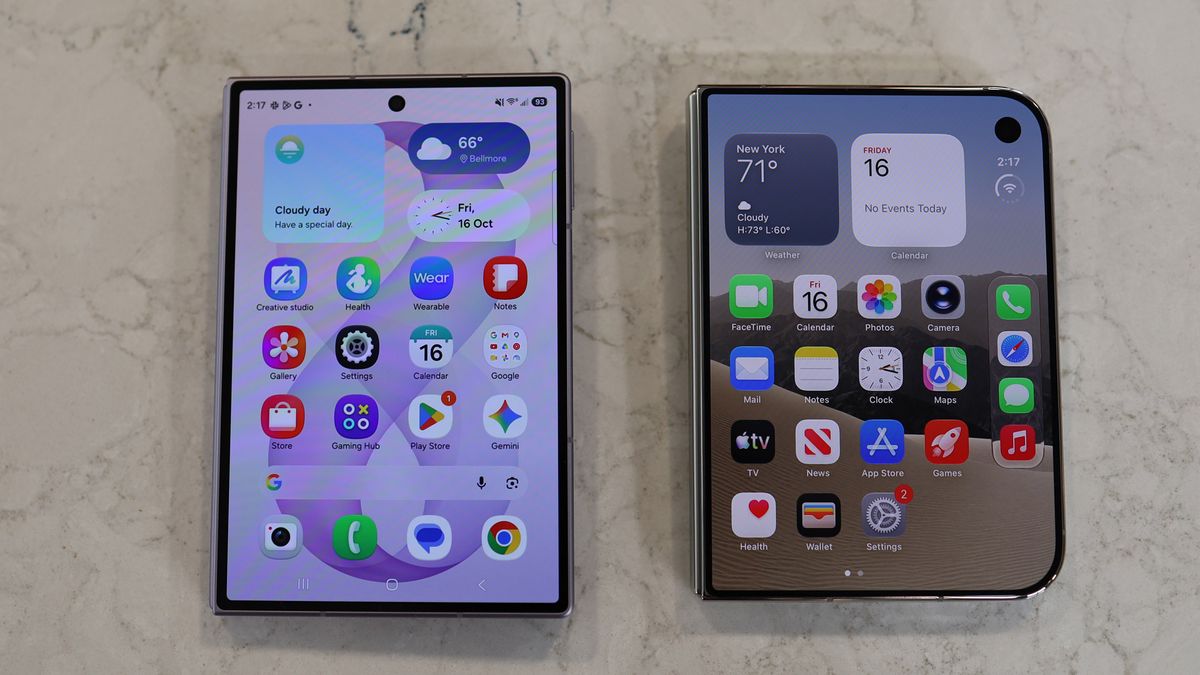
Samsung Galaxy Z Fold 8 on left, iPhone Duo on right (Image credit: Lance Ulanoff / Future)
Battery life: Reliable for a full day
Rating: 4.5/5
Apple has fitted the iPhone Duo with an approximately 4,800mAh battery.
The company claims up to 44 hours of video playback, or 31 hours when using the larger internal display. Those figures are based on specific playback conditions rather than mixed everyday use.
In practical testing, the reviewer achieved around 14 hours of use, while Future Labs recorded approximately 13 hours. That is respectable battery life, although the Galaxy Z Fold 8 lasted 14 hours and 20 minutes in the same lab testing.
For ordinary activities such as messaging, browsing, watching videos and taking photographs, the iPhone Duo comfortably lasted through a typical day.
Charging is also reasonably fast. Using a 45W charger, the phone reached 60% battery in 30 minutes. It also supports fast wireless charging through MagSafe.
The battery performance is strong enough for most users, even if Samsung’s rival has a slight advantage in testing.
Final verdict: Should you buy the Apple iPhone Duo?
The iPhone Duo is an impressive first attempt at a foldable smartphone from Apple. Its carefully engineered hinge, bright displays, powerful processor and excellent cameras make it one of the most compelling options for people who want a phone that can double as a small tablet.
The matte inner screen is particularly impressive because it makes the crease almost impossible to notice during normal use. The device also offers useful multitasking features and strong all-day battery life.
However, the iPhone Duo is not a flawless flagship. It is heavier and thicker than the Galaxy Z Fold 8, its cover-screen layout can make some apps uncomfortable to use, and third-party software support still needs improvement. The lack of Face ID and a dedicated telephoto camera are additional drawbacks.
Its price is another major consideration. At $1,999, it is a premium device that will appeal primarily to enthusiasts and committed Apple users.
For those who have been waiting for Apple to enter the foldable market, the iPhone Duo is an excellent choice. Buyers who prioritize a lighter design, a more versatile camera system or better value should also consider Samsung’s competing foldables.
Overall ratings
| Category | Score |
|---|---|
| Value | 4/5 |
| Design | 4.5/5 |
| Displays | 4.5/5 |
| Cameras | 4.5/5 |
| Software | 4.5/5 |
| Performance | 5/5 |
| Battery | 4.5/5 |
Who should buy it?
Buy the iPhone Duo if:
-
You have been waiting for Apple’s first foldable iPhone.
-
You want a compact phone that unfolds into a larger screen for work and entertainment.
-
You value a high-quality display with a nearly invisible crease.
-
You want flagship performance and strong photography in a foldable design.
Skip it if:
-
You want an affordable smartphone.
-
You need a dedicated telephoto camera.
-
You prefer a lighter, thinner foldable.
-
You rely on Face ID or expect every third-party app to be fully optimized for a large display.
Bottom line: The Apple iPhone Duo is a polished and powerful foldable that largely delivers on its promise. It is not the outright winner in every category, but for Apple fans who want a phone and tablet in one device, it is a compelling new option.