
































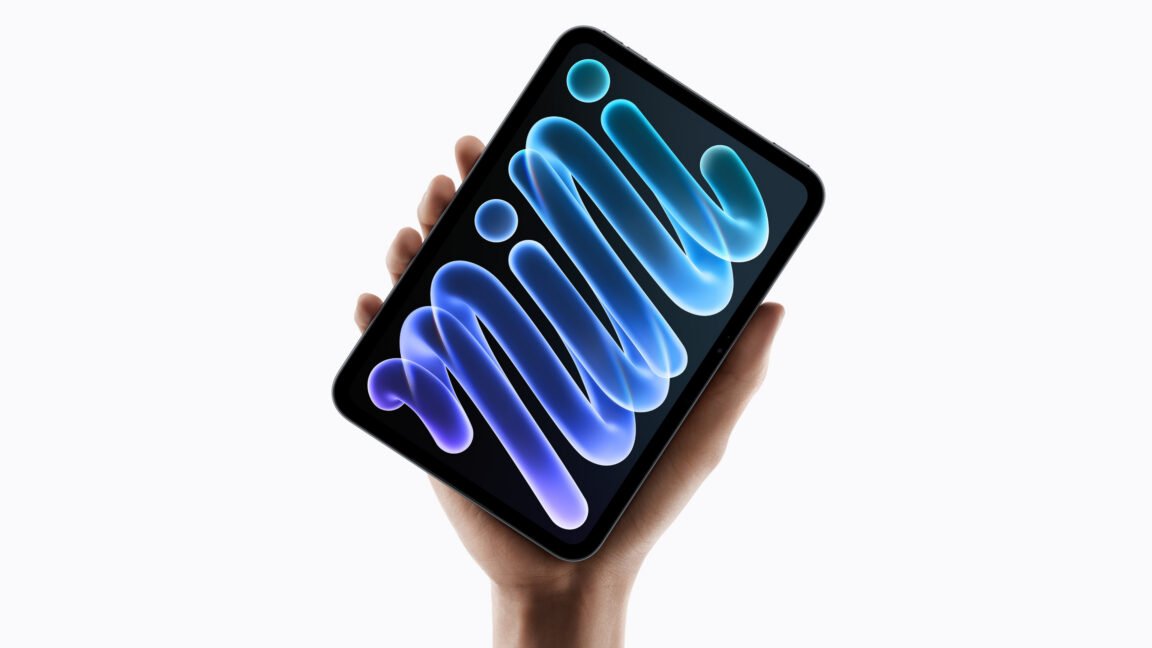
Apple has announced its eighth-generation iPad mini, introducing a larger OLED display, a more powerful processor and a slimmer design. Starting at $699, the updated tablet brings several significant improvements but also raises the entry-level price compared with previous generations.
Apple describes the new model as the most substantial update in the iPad mini’s history. It features the A20 Pro chip, previously introduced in the iPhone 18 Pro and iPhone Duo, alongside a redesigned display intended to deliver a more premium viewing experience.
Larger Display, Thinner Design
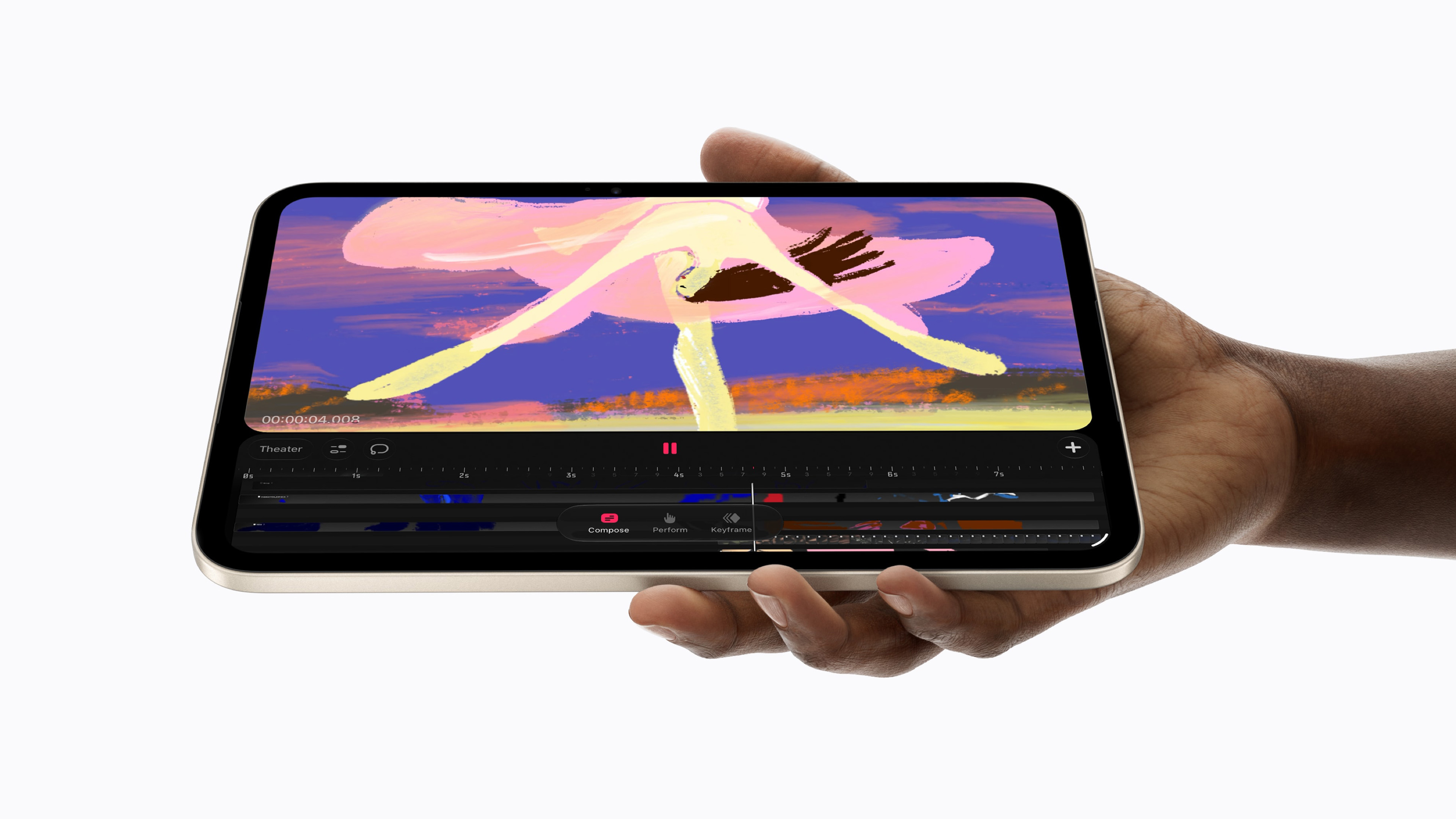
The new iPad mini retains a similar overall footprint to the 2024 model while increasing its screen size from 8.3 inches to 8.5 inches. Apple achieved this by reducing the bezels by approximately 24 percent.
The tablet is also thinner, measuring just 5.4 millimeters—almost a millimeter slimmer than its predecessor. Another major addition is an IP67 rating for water and dust resistance, a feature missing from the seventh-generation model.
The biggest change, however, is the switch from IPS technology to OLED. The new 8.5-inch Super Retina XDR display promises deeper blacks, improved contrast and peak brightness of up to 1,200 nits, compared with 500 nits on the previous generation.
Apple has also introduced a minimum brightness of just one nit, making the screen more comfortable to use in dark environments. Buyers can additionally choose a nano-textured matte display option designed to reduce reflections, although it costs extra and is limited to higher-capacity models.
A20 Pro Chip Brings Faster Performance
The new tablet is powered by Apple’s 2-nanometer A20 Pro processor, replacing the previous generation’s A17 Pro chip, built on a 3-nanometer process.
The newer processor should deliver substantial performance improvements, particularly for graphics-intensive applications and demanding workloads. In the iPhone 18 Pro, the A20 Pro demonstrated significantly improved graphics performance, supported in part by a reported 50 percent increase in memory bandwidth.
Higher memory bandwidth can also benefit artificial intelligence tasks performed directly on the device. However, Apple is offering different processing configurations depending on storage capacity.
The 512GB model includes a dual 16-core Neural Engine configuration, similar to the one found in the iPhone 18 Pro. The 128GB and 256GB versions receive a single 16-core Neural Processing Unit and a slightly different CPU configuration, with five cores instead of six.
This means buyers choosing the less expensive models may not receive exactly the same processing capabilities as those opting for the most expensive version.
Camera Placement Changes
Apple has retained the 12-megapixel front and rear cameras, so the new iPad mini does not introduce a higher-resolution camera system.
However, the front-facing camera has been repositioned from the shorter edge to the longer edge of the tablet. This arrangement is better suited to landscape-oriented video calls, although users accustomed to holding the tablet vertically may need time to adjust.
The change reflects the way many people use tablets for video conferencing, online meetings and FaceTime calls.

iPad mini Pricing and Availability
The eighth-generation iPad mini starts at $699 for the 128GB Wi-Fi model. Buyers can select larger storage capacities or cellular connectivity at additional cost.
The pricing is as follows:
-
128GB Wi-Fi: $699
-
256GB Wi-Fi: $799
-
512GB Wi-Fi: $999
-
128GB cellular: $849
The nano-textured display option costs an additional $100 and is available only with the 256GB and 512GB configurations.
The new pricing represents another increase for Apple’s smallest tablet. The seventh-generation iPad mini launched at $499 in 2024, although its price subsequently increased to $599. The eighth-generation model adds another $100 to that figure.
Preorders are scheduled to begin at 10:10 a.m. Pacific Time on Wednesday, October 28, 2026, with the devices expected to reach stores and customers on November 6.
Is the New iPad mini Worth the Higher Price?
The redesigned iPad mini offers several meaningful upgrades, including its OLED screen, improved brightness, slimmer body, water and dust resistance, and newer processor.
For users who want a compact tablet for reading, gaming, watching videos, productivity and everyday tasks, these changes could make the device considerably more appealing.
However, the higher starting price may give potential buyers pause, particularly those who purchased the previous model at its original $499 price. The differences between processor configurations also make it worth examining the specifications carefully before choosing a storage option.
Ultimately, Apple’s latest iPad mini combines a more advanced display with a powerful new chip and a refined design. Whether those improvements justify the price will depend on how much buyers value the tablet’s compact size and premium features.